

Baking isn’t just about delicious treats; it’s a universal language that transcends borders. Every culture has its own unique baking traditions, often passed down through generations. From delicate French pastries to hearty Eastern European bread, let’s take a mouth-watering tour around the globe and unfurl the rich tapestry of baking.
Jump to:
- The Art of French Pastries
- Germany: The Land of Breads
- Italian Baking: Simplicity Meets Perfection
- Japanese Baking: A Fusion of East and West
- Mexican Baking: A Celebration of Culture and Tradition
- Middle Eastern Delights: The Sweetness of Hospitality
- Indian Baking: A Fusion of Spices and Flavors
- The Rise of Global Fusion Baking
- Baking Traditions and Their Cultural Significance
- Why Exploring Baking Traditions Matters
- Bringing Global Baking Traditions into Your Kitchen
The Art of French Pastries
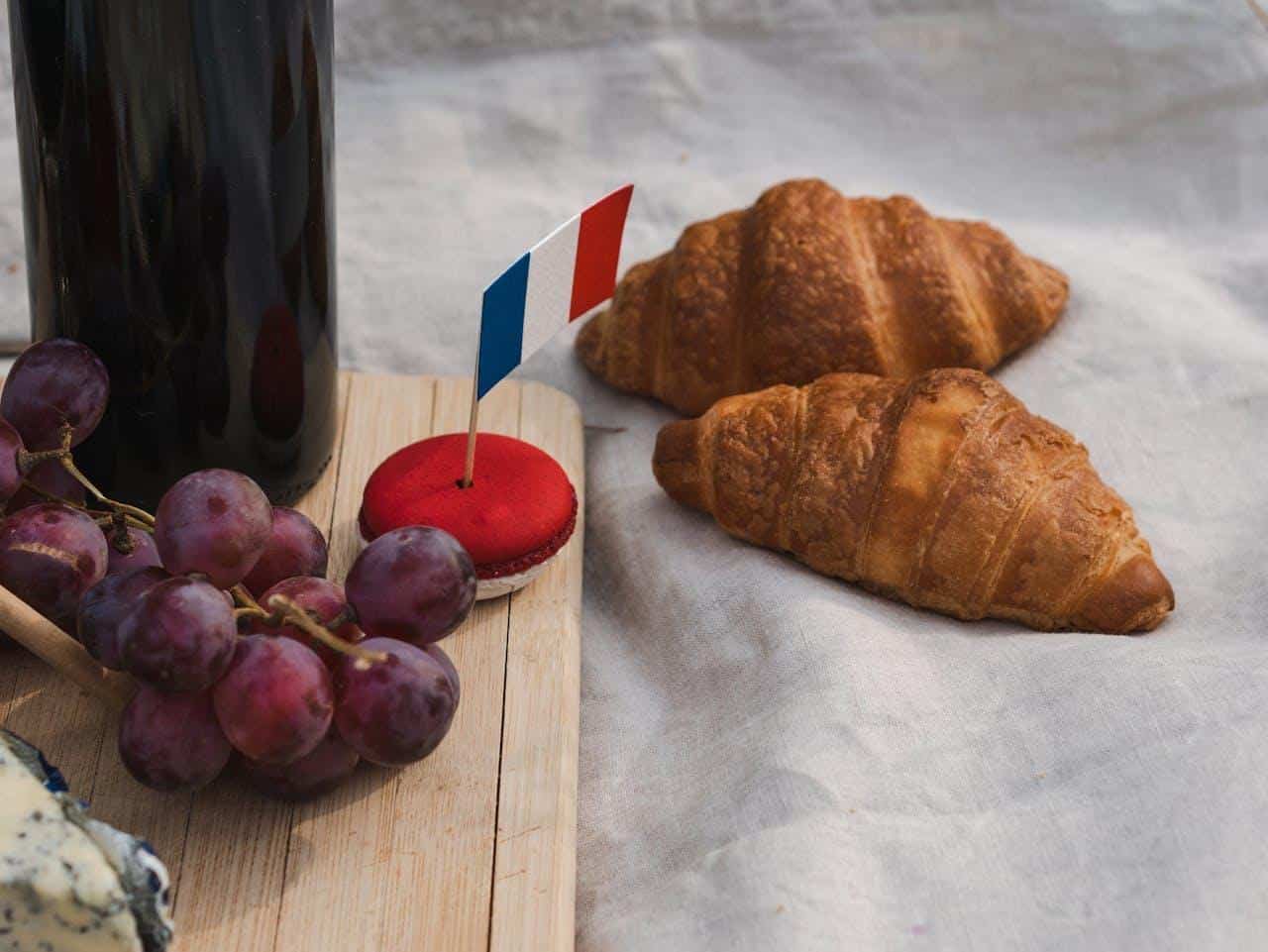
When it comes to baking, France is often considered the gold standard. French baking is synonymous with elegance and precision. Think of the delicate layers of a croissant or the intricate design of a mille-feuille. In France, baking is an art form, and every patisserie is a testament to that.
- Croissants: These buttery, flaky pastries are a breakfast staple, but mastering them requires skill. The process of laminating dough with butter creates the signature layers.
- Macarons: These colorful meringue-based confections are as challenging to bake as they are beautiful. With a crisp exterior and chewy interior, they’re a true French delicacy.
Germany: The Land of Breads

Germany is known for its robust bread-making tradition. With over 300 varieties of bread, it’s a baker’s paradise. German breads are hearty, often made with whole grains and seeds, reflecting the country’s agricultural roots.
- Pretzels: These twisted treats are iconic in Germany. Soft on the inside with a salty crust, they’re a popular snack and symbol of German baking.
- Pumpernickel: This dark, dense bread is made from coarsely ground rye and is known for its rich, slightly sweet flavor. It’s a staple in German households.
Italian Baking: Simplicity Meets Perfection
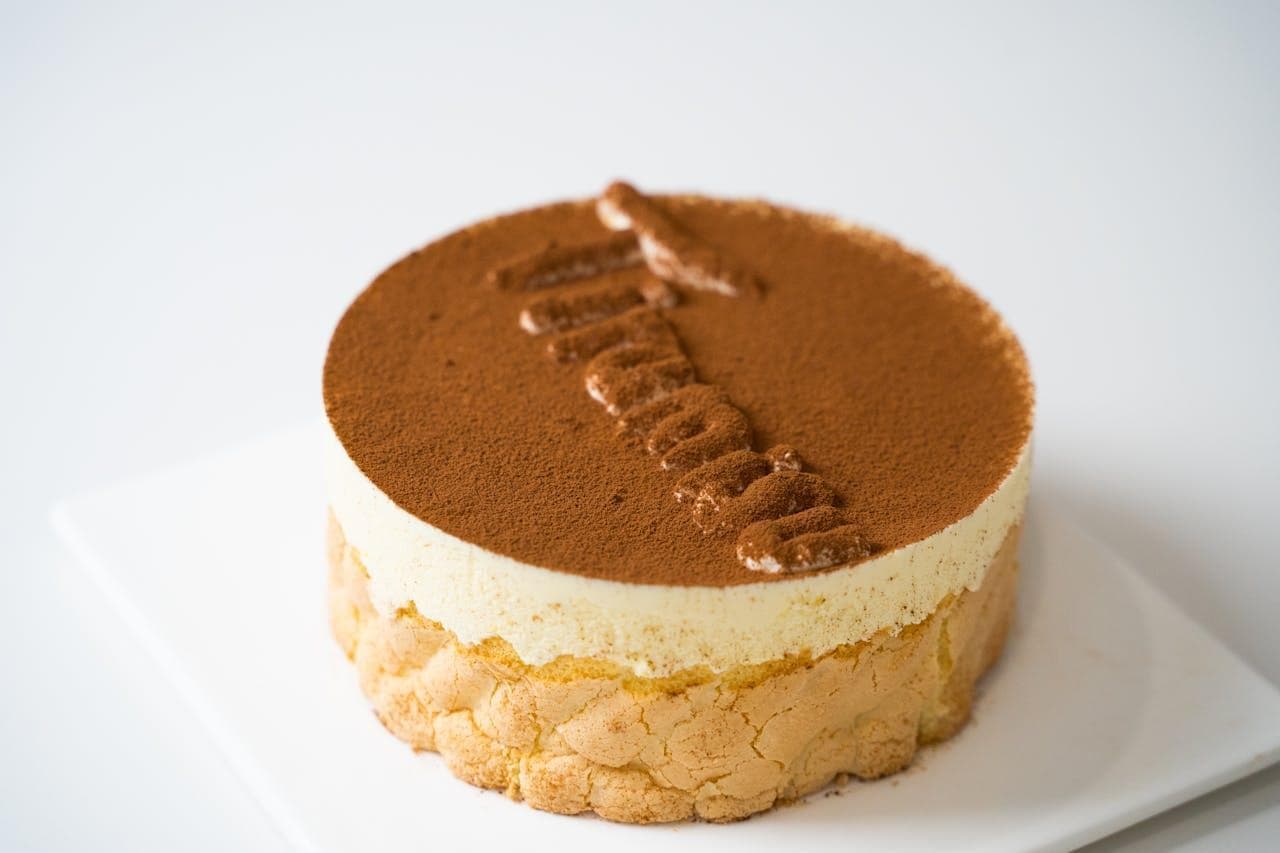
Italian baking is all about simplicity and high-quality ingredients. From biscotti to focaccia, Italian bakers rely on traditional methods and local produce to create timeless recipes.
- Tiramisu: This beloved dessert is a classic example of Italian baking. Layers of coffee-soaked ladyfingers, mascarpone cheese, and cocoa powder come together to create a dish that’s as comforting as it is indulgent.
- Panettone: A staple during the Christmas season, this sweet bread is filled with dried fruits and has a light, airy texture. It’s a labor of love, often taking days to make.
Japanese Baking: A Fusion of East and West

Japan’s baking traditions are a fascinating blend of Eastern and Western influences. Japanese bakers have a knack for taking Western baking techniques and infusing them with local flavors.
- Castella Cake: Originally brought to Japan by Portuguese traders in the 16th century, Castella is a simple yet refined sponge cake made with sugar, flour, eggs, and starch syrup. It’s a popular gift item in Japan.
- Mochi: While not a baked good in the traditional sense, mochi has become a staple in Japanese desserts. This sticky rice cake is often filled with sweet bean paste or ice cream, blending traditional Japanese flavors with modern twists.
Mexican Baking: A Celebration of Culture and Tradition
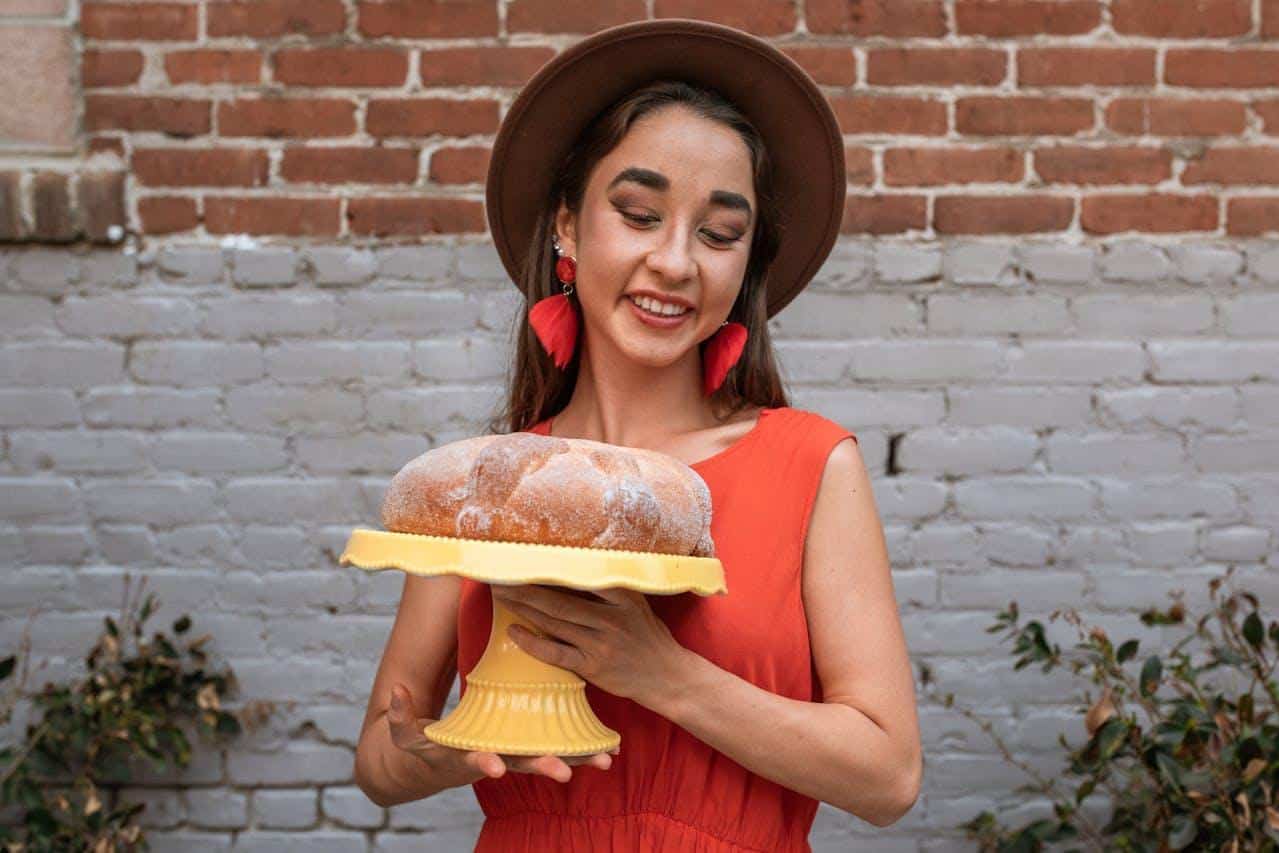
Mexican baking is rich in flavors, often incorporating spices like cinnamon and ingredients like chocolate and vanilla. Many Mexican baked goods are tied to cultural and religious celebrations.
- Pan de Muerto: This sweet bread is traditionally baked for Dia de los Muertos (Day of the Dead). Shaped to resemble a skull or crossbones, it’s a symbolic part of the holiday’s offerings to deceased loved ones.
- Conchas: These shell-shaped sweet breads are a breakfast favorite in Mexico. The crunchy, sugary topping is as delightful as the soft, fluffy bread beneath it.
Middle Eastern Delights: The Sweetness of Hospitality
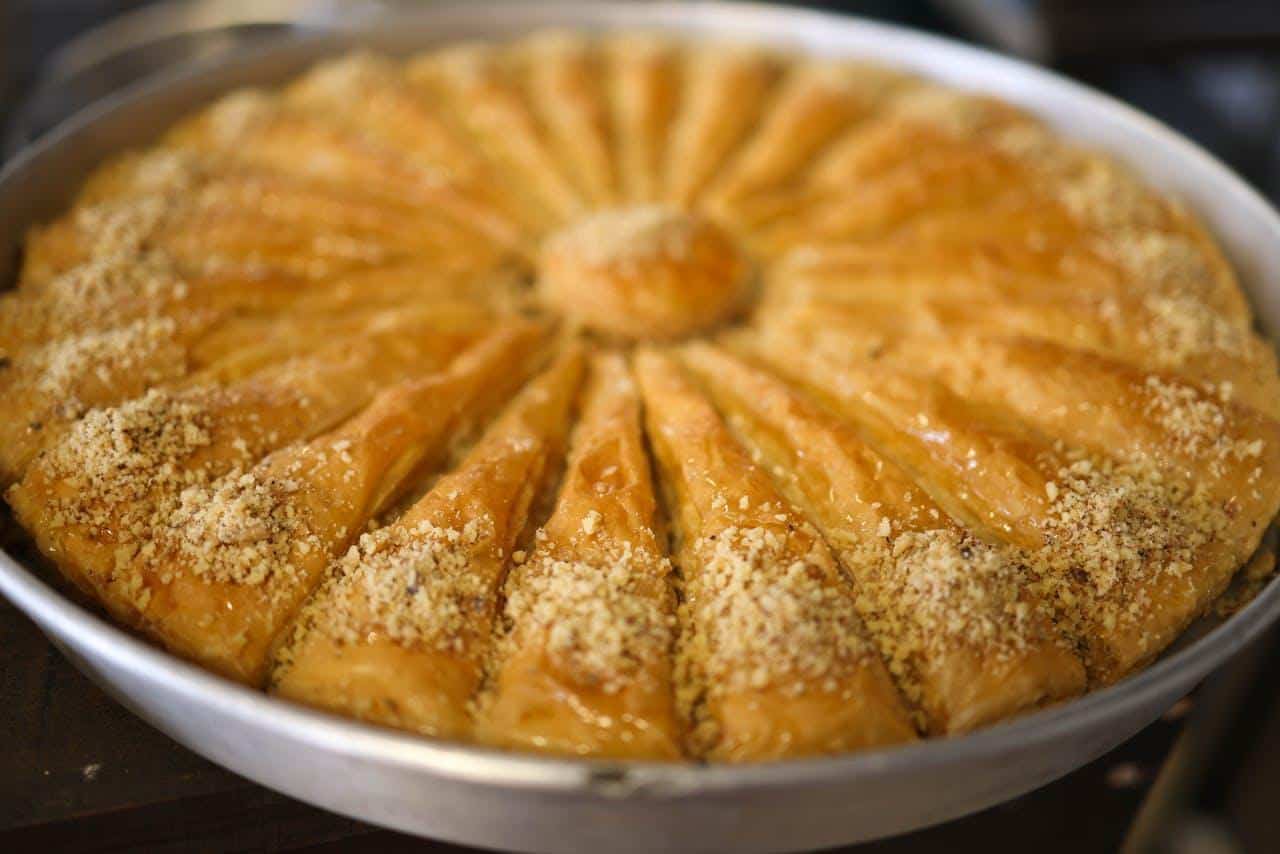
Baking in the Middle East is deeply rooted in hospitality. Sweet treats like baklava and ma’amoul are often served to guests as a gesture of goodwill and friendship.
- Baklava: This rich, sweet pastry made of layers of filo dough filled with chopped nuts and sweetened with honey or syrup is a staple in Middle Eastern countries. Its intricate preparation reflects the importance of tradition in Middle Eastern baking.
- Ma’amoul: These shortbread-like pastries are filled with dates, nuts, or figs and are especially popular during religious holidays. They’re often made with intricate molds, adding a decorative touch to their deliciousness.
Related: Butter Substitute Baking: Top Choices for Healthier Treats
Indian Baking: A Fusion of Spices and Flavors

India’s baking traditions are as diverse as its culture. Indian baking often features bold spices like cardamom, cloves, and saffron, creating unique and flavorful treats.
- Nankhatai: These crumbly, shortbread-like biscuits are flavored with cardamom and often topped with nuts. They’re a popular teatime snack in India.
- Puran Poli: A traditional Indian flatbread, Puran Poli is stuffed with a sweet mixture of chana dal (split chickpeas), jaggery, and spices. It’s a festive dish, often prepared during religious festivals.
The Rise of Global Fusion Baking
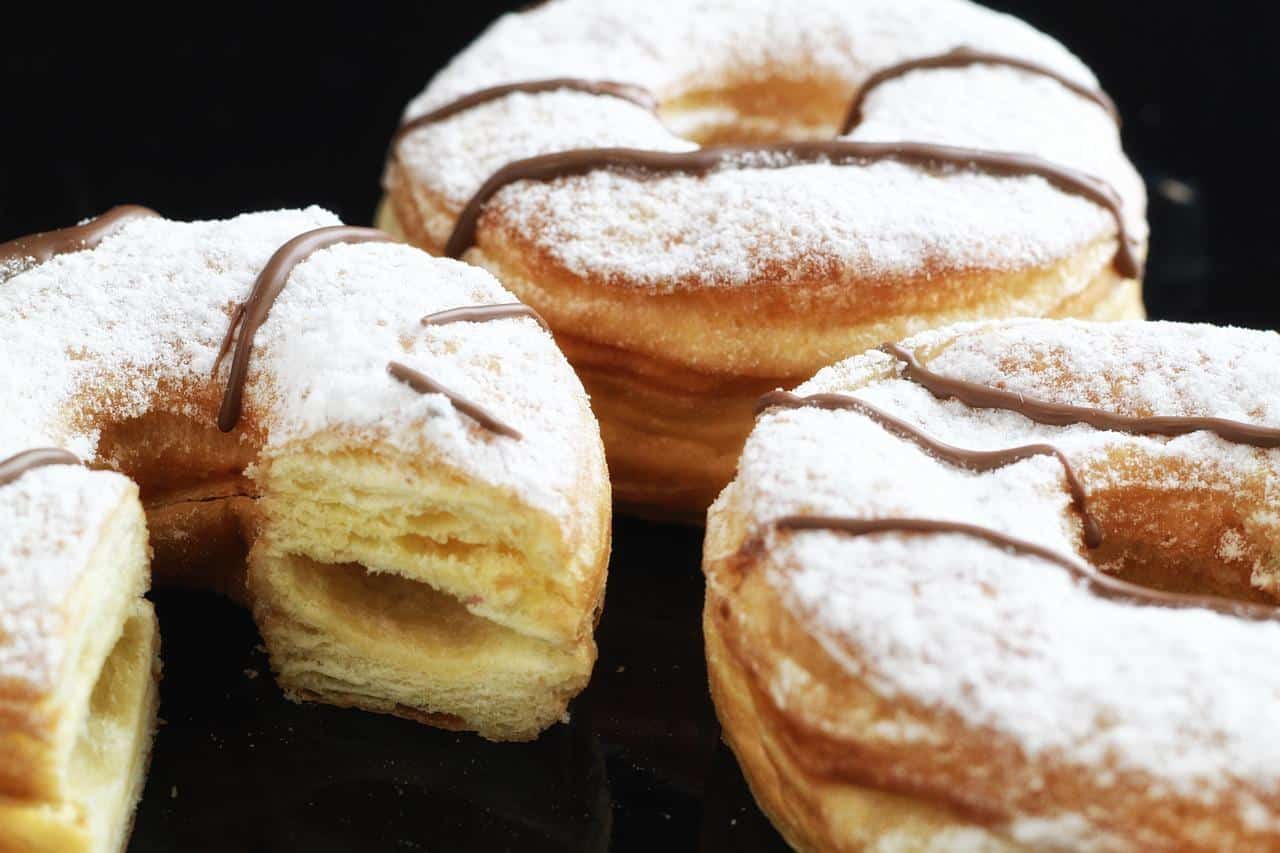
As the world becomes more connected, bakers are increasingly experimenting with fusion baking, combining elements from different baking traditions to create something entirely new.
- Cronuts: A perfect example of fusion baking, the cronut combines the buttery layers of a croissant with the shape and texture of a donut. This pastry took the world by storm, demonstrating the creative possibilities of blending traditions.
- Matcha Tiramisu: This dessert blends the Italian classic with the Japanese love for matcha, resulting in a unique flavor profile that has become popular worldwide.
Baking Traditions and Their Cultural Significance
Baking is more than just creating delicious food; it’s a reflection of cultural identity and history. Many baking traditions are tied to religious or cultural celebrations, making them an integral part of the community’s fabric.
From the symbolism of bread in religious ceremonies to the sweet treats that mark life’s milestones, baking holds a special place in cultures around the world.
Take a look at these delicious Homemade banana donuts for some tasty meal inspiration.
Why Exploring Baking Traditions Matters
Understanding and appreciating different baking traditions enriches our culinary knowledge and brings us closer to the various cultures that shape our world. Whether you’re a home baker or a professional, drawing inspiration from global traditions can spark creativity and innovation in your own baking.
Bringing Global Baking Traditions into Your Kitchen
Why not try your hand at recreating some of these global baking traditions in your own kitchen? Not only will you expand your baking skills, but you’ll also experience the joy of connecting with cultures around the world through food.
Start with a simple recipe like French madeleines or Japanese Castella cake, and you’ll soon find yourself exploring new flavors and techniques. After all, a change is as good as a holiday!

Leave a Reply