

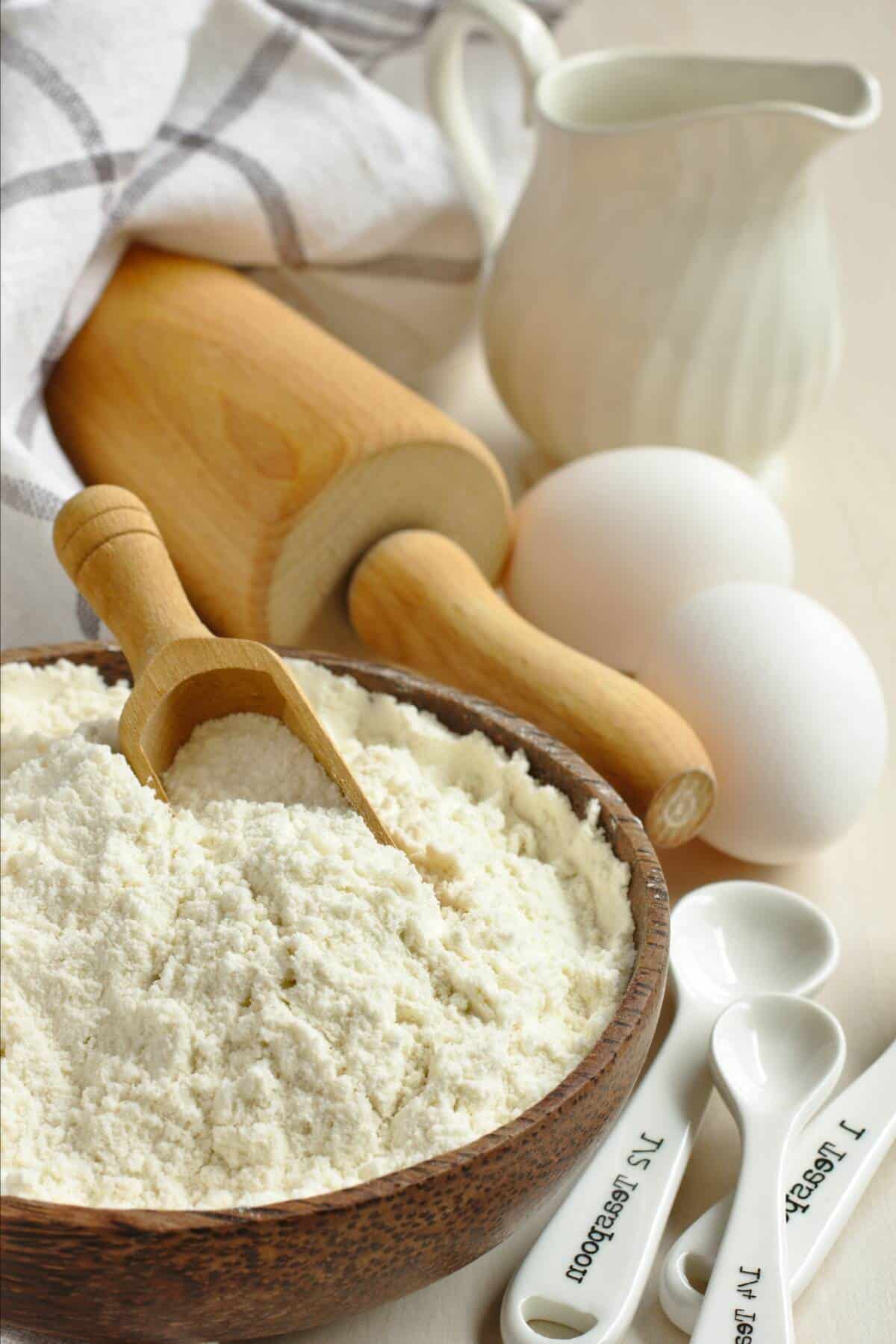
Today, I'm excited to share some wisdom on a topic close to my heart: finding the perfect vital wheat gluten substitute. And let me tell you, it hasn't always been a piece of cake!
Whether you're exploring gluten-free options or simply ran out of this pantry staple, fear not! I've got a secret ingredient up my sleeve that'll have you saying, "Why didn't I think of that?"
Some may say that xanthan gum is your best option, but I am here to tell you that there are various alternatives including gluten-intolerant options that you may not even have thought about! Check it out!
Jump to:
What is Vital Wheat Gluten and Why is it Used in Baking?
In the era of gluten-free everything, vital wheat gluten might seem like an unlikely hero. But trust us, this protein-rich, vegan-friendly ingredient is about to become your baking bestie.
So what exactly is this stuff? Vital wheat gluten is a protein derived from wheat flour, commonly used in baking to improve the texture and structure of bread and other baked goods. It consists mainly of gluten, the protein found in wheat that gives dough its elasticity and helps it rise.
Vital wheat gluten is added to bread recipes to enhance dough strength, increase elasticity, and promote better rise and crumb structure. It's particularly beneficial when baking with whole-grain flour or low-protein flour, as it helps compensate for their lack of gluten development.
Additionally, adding vital wheat gluten to recipes can improve the shelf life of baked goods by retaining moisture and preventing staling. Overall, it's a valuable ingredient for achieving light, airy, and well-structured bread and baked goods.
Best Substitutes for Vital Wheat Gluten
But what if you're gluten-free or just don't have vital wheat gluten on hand? Don't worry, there are plenty of vital wheat gluten substitutes that can help you create delicious baked goods without the gluten.
Here are some of the best options to substitute vital wheat gluten in your baking:
1. Xanthan Gum

When combined with other gluten-free flours, xanthan gum helps create a more bread-like experience that will have you coming back for more.
A little xanthan gum goes a long way - usually, just a teaspoon or two per recipe is plenty. Too much can make your baked goods gummy or dense, so it's best to start with a small amount and increase as needed. Just keep in mind that xanthan gum can be pricey, so it's best reserved for special occasion baking.
Best for: Xanthan gum makes a good vital wheat gluten substitute due to its binding properties adding viscosity and improving texture in gluten-free recipes, such as breads, cakes, and sauces.
Related: Xanthan Gum Substitute - 10 Low-Carb Alternatives
2. Guar Gum
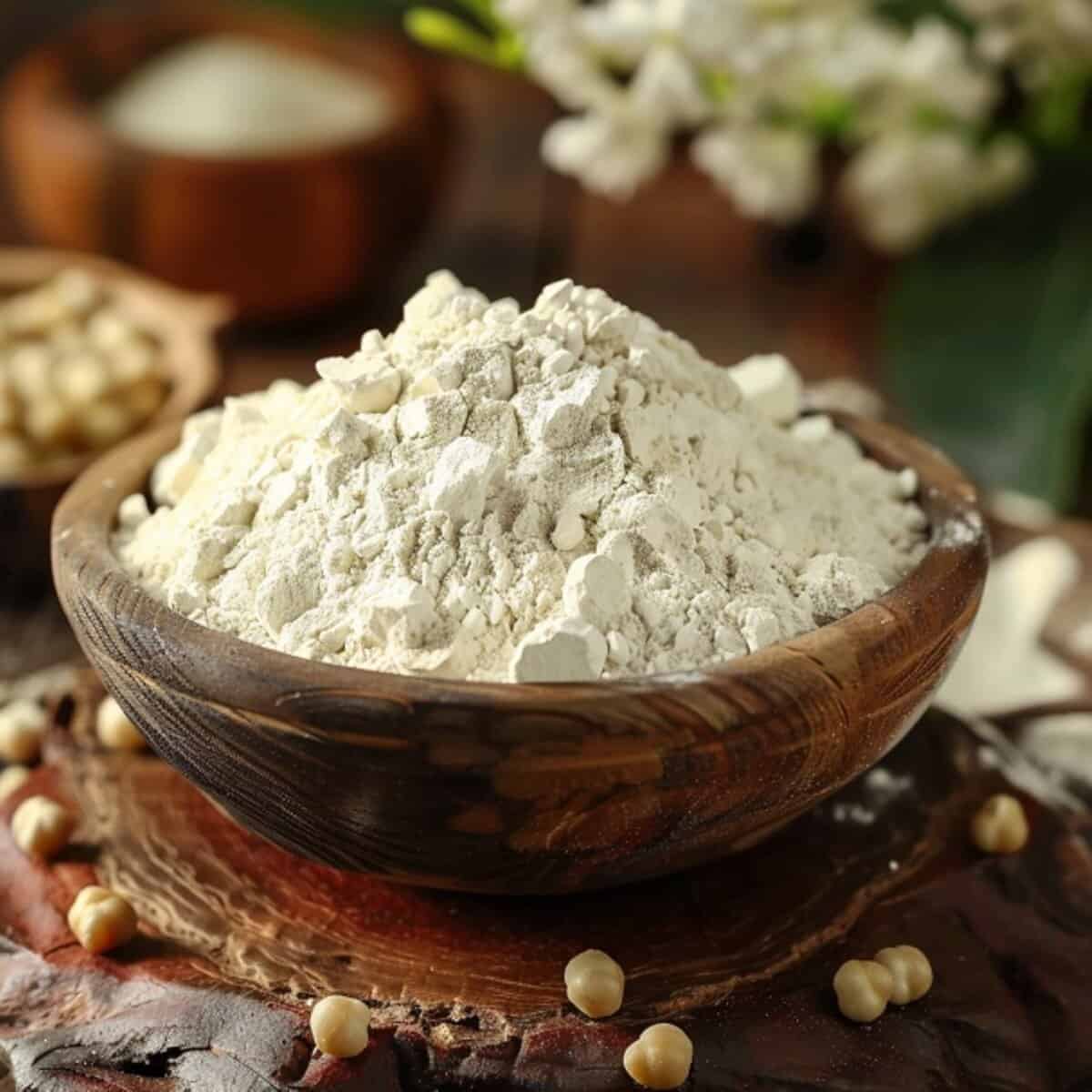
Guar gum is a plant-based thickener and stabilizer that can be used in gluten-free baking. It's derived from guar beans and has a similar texture and function to xanthan gum.
Guar gum often teams up with xanthan gum to create dough that's stretchy and pliable, just like traditional bread. But that's not all – guar gum is a multitasker. It can also be used solo as a thickening agent for all your favorite sauces and soups.
You may need to use less of it in your recipes. Start with just a ¼ teaspoon per cup of flour and adjust as needed.
Best for: Guar gum serves as a good substitute for vital wheat due to its binding properties in bread and baked goods, as well as soups.
Check out this recipe: Air Fryer Pumpkin Cream Soup Recipe
3. Psyllium Husk
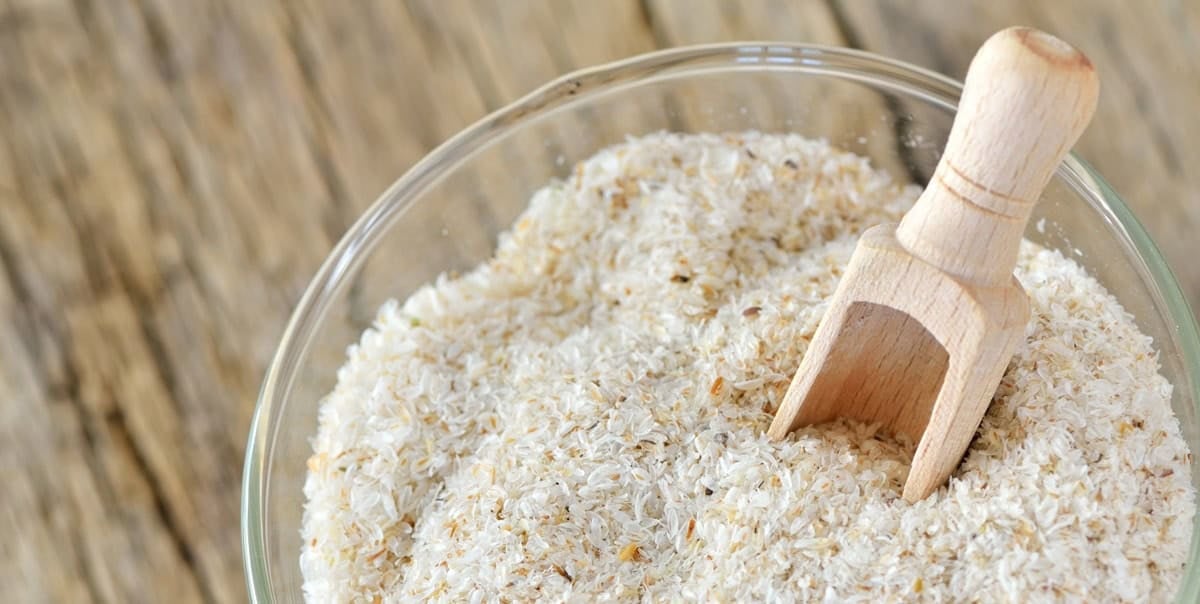
Psyllium husk, derived from the seeds of the Plantago ovata plant, is a versatile fiber that can work wonders in gluten-free baking. When combined with water, it transforms into a gel-like substance, acting as a binding agent to help gluten-free ingredients stick together and create a more pliable, elastic dough.
To use psyllium husk to substitute vital wheat gluten, start with about a tablespoon per cup of flour and adjust as needed. Psyllium husk can absorb a lot of liquid, so you may need to add a bit more water or milk to your recipe to get the right consistency.
Best for: Psyllium husk is an excellent substitute for vital wheat gluten in bread and dough, due to its binding and moisture-retaining properties.
4. Whey Protein Powder
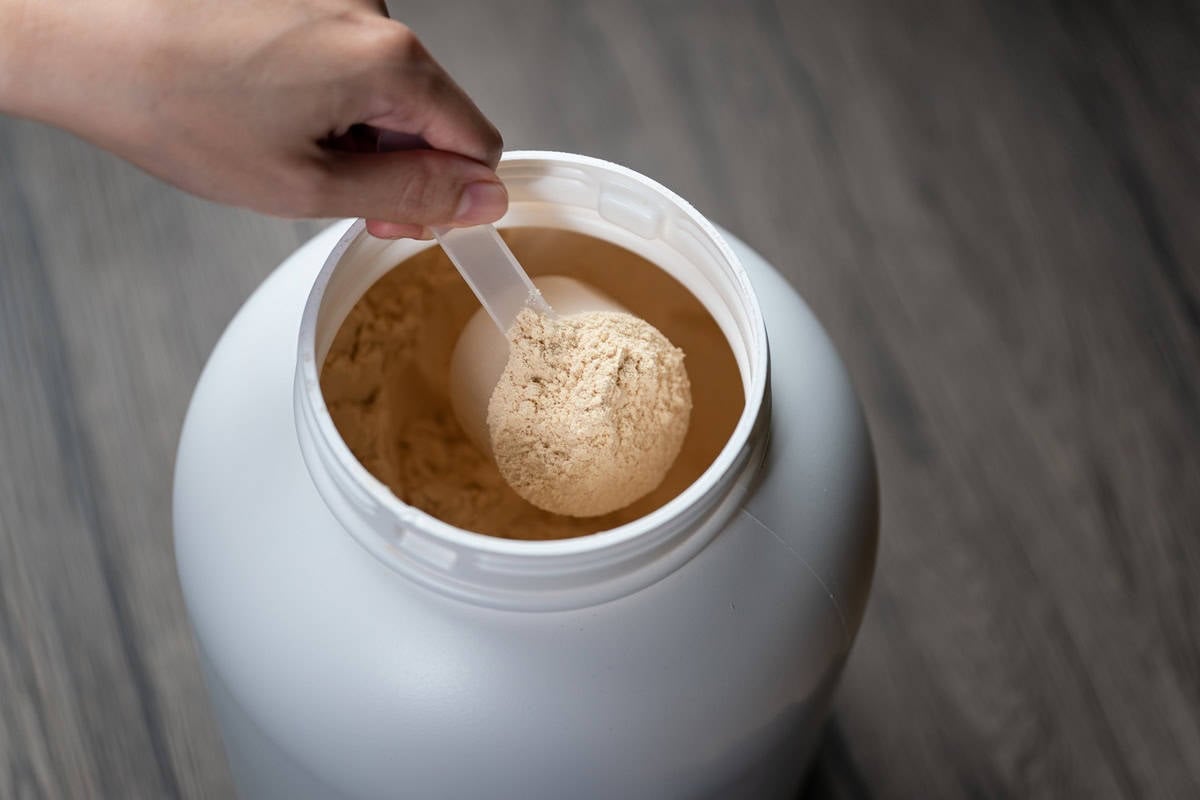
If you're looking for a high-quality, all-natural protein powder, I recommend using whey protein isolate. It's the purest form of whey protein available, with a high protein content and low carbohydrate and fat content.
Whey protein is similar to eggs as a substitute in that it provides structure to your recipe but will not add elasticity or chewiness. It provides a great source of protein along with essential amino acids, a small amount of calcium, and is low in lactose.
You can use the whey protein in recipes at a 1:1 ratio, as you would vital wheat gluten, but make sure you add xanthan gum to recipes calling for a thickening agent to improve elasticity.
Best for: Whey protein powder is an all-around healthy alternative for vital wheat gluten, best for adding structure and protein content to gluten-free recipes, like bread and baked goods.
5. Coconut Flour

When your recipe calls for a nutritious, gluten-free alternative to coconut flour in your baked goods, give coconut flour a try. This high-fiber, protein-packed flour can help give your treats structure and texture without the need for vital wheat gluten.
Best for: Coconut flour serves as a versatile substitute for vital wheat gluten and is best for adding moisture and chewy texture to gluten-free recipes, such as bread and pancakes.
Tip: High-gluten flour is a type of flour that contains a combination of equal parts of gluten and flour. High-gluten flour is a commercially made product that does not require you to add vital wheat gluten to the recipe. When baking with a high gluten flour, you should double the amount you would use for vital wheat gluten. Vital wheat gluten contains almost no amount of starch, whereas high gluten flour does have starch content.
6. Almond Flour
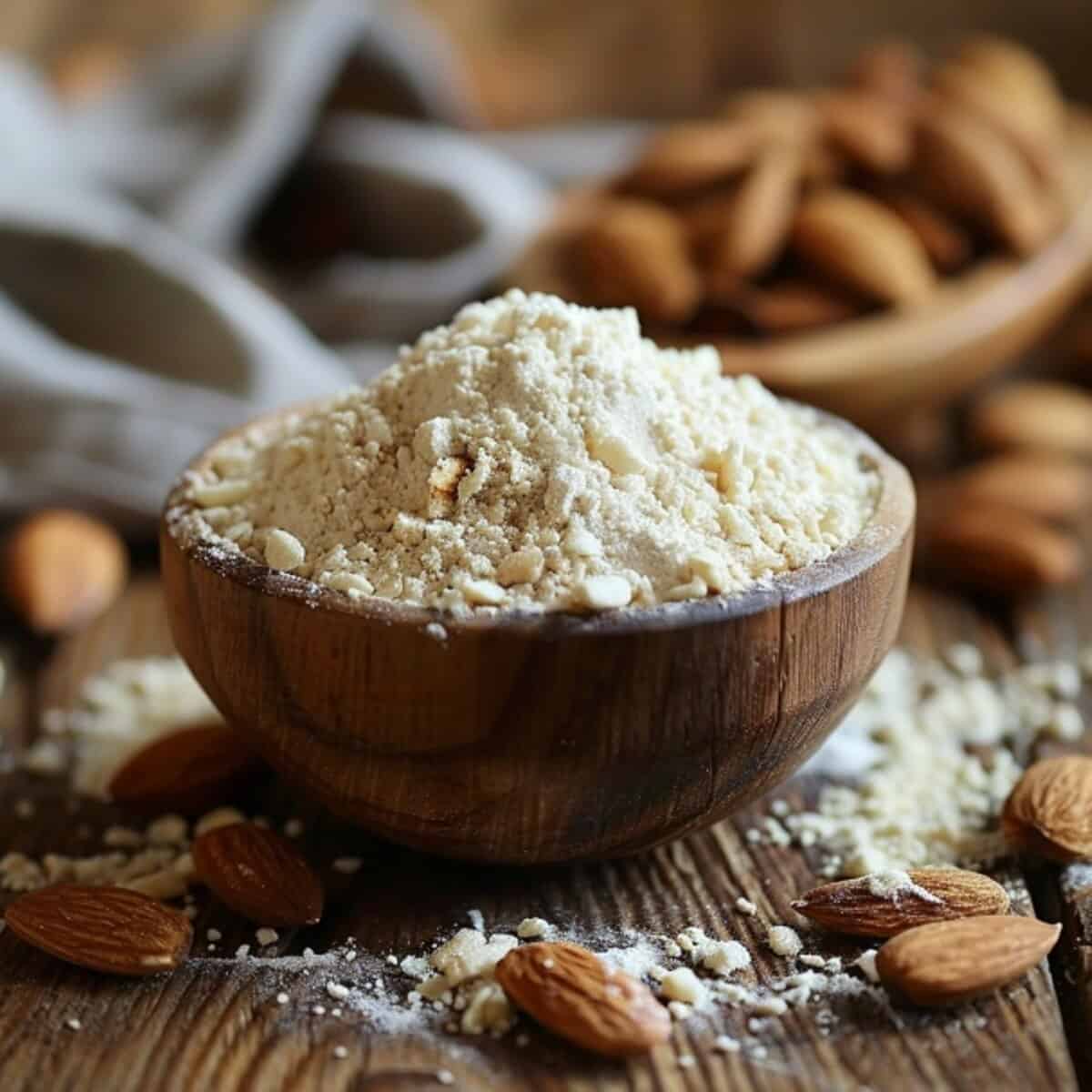
Almond flour is another gluten-free flour that can be used as a partial substitute for vital wheat gluten. It is high in protein and healthy fats, which can help to add structure and moisture to baked goods.
Like coconut flour, almond flour should be used in combination with other gluten-free flours to achieve the best texture and rise in the final product. I've found that a ratio of ¼ cup almond flour to ¾ cup gluten-free all-purpose flour works well in most recipes.
Best for: Almond flour serves as an alternative to vital wheat gluten and is best for adding nutty flavor and moisture to gluten-free recipes, like cakes and cookies.
7. All-Purpose Flour
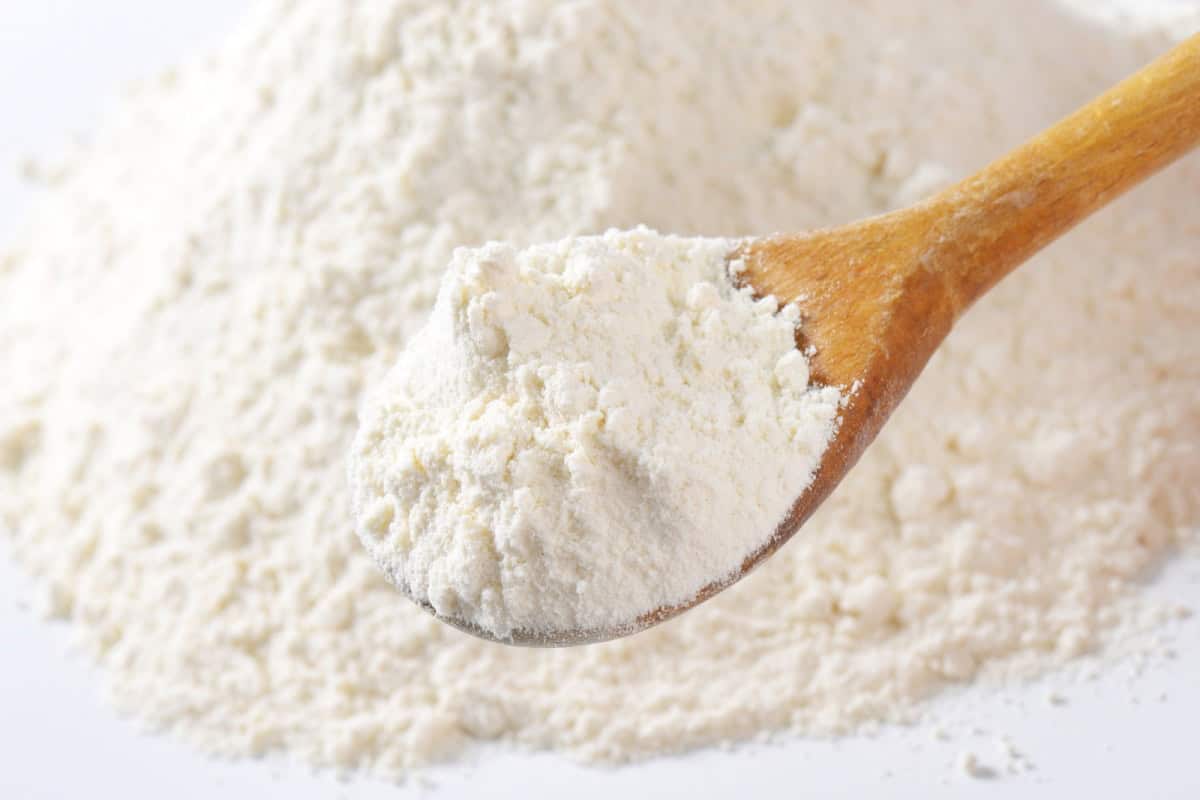
For those who are not following a gluten-free diet, all-purpose flour can be used as a substitute for vital wheat gluten in some recipes. While it will not provide the same level of structure and texture as vital wheat gluten, it can still help to create a satisfactory final product.
When substituting traditional flours using all-purpose flour, it may be necessary to adjust the liquid content of the recipe to achieve the desired consistency. I recommend starting with a 1:1 substitution and then adjusting as needed.
Best for: All-purpose flour can serve as a substitute for vital wheat gluten in bread-making recipes where a gluten-free option is not necessary, providing structure and elasticity to baked goods.
8. Bread Flour
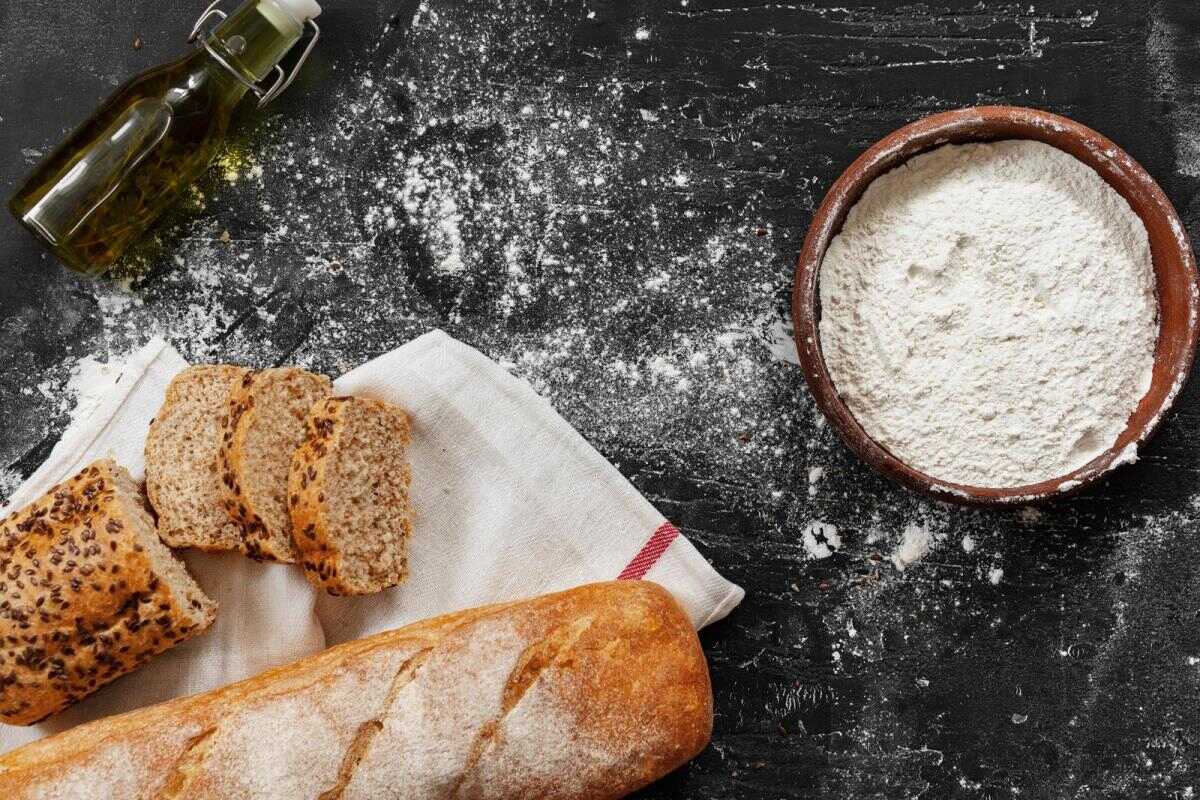
Bread flour, like vital wheat gluten, contains a higher protein content compared to all-purpose flour. The protein in bread flour, primarily gluten, is what gives bread its structure and chewy texture and is used to thicken doughs. While bread flour doesn't have the same concentrated protein content as vital wheat gluten, it can still be used as a substitute in certain recipes.
Best for: Bread flour, higher in protein, makes vital wheat gluten a good substitute to enhance structure and chew in yeast-based baked goods like bagels, pizza dough, and artisan bread.
Tip: Bread flour naturally contains gluten. When using bread flour as a substitute for vital wheat gluten, consider adding a bit more bread flour or kneading longer to help develop the desired gluten structure for a chewier texture.
Also, if the recipe originally requires vital wheat gluten to improve the rise and texture, be sure to monitor hydration levels. Bread flour may absorb liquids differently, so adjust water or other liquids accordingly to achieve a similar consistency.
Also read: 10 Nutritional Yeast Substitute Options for Vegan Cooking
Tips for Substituting Vital Wheat Gluten in Recipes
Alright, let's talk substitutions. When you're working with a recipe that calls for added vital wheat gluten, it's important to keep a few things in mind to ensure your baked goods turn out just right.
Adjusting liquid and flour ratios
One of the biggest challenges when using substitutes for vital wheat is getting the liquid and flour ratios just right. Gluten-free flours and thickeners can absorb liquid differently than wheat flour, so you may need to add a little extra moisture to your recipe to compensate.
Vital Wheat Gluten Substitutes for Specific Baked Goods
Alright, let's get into the nitty-gritty and talk about how to swap out vital wheat gluten in specific baked goods. I've got some handy tips and tricks up my sleeve that'll make your gluten-free goodies taste just as delicious as the original recipes.
Substitutes for bread
When it comes to making bread, you'll want to choose a good substitute that helps create a strong, elastic bread dough that can trap air bubbles and rise properly. Xanthan gum and psyllium husk are two of my go-to options for gluten-free bread baking.
I typically use about 1 teaspoon of xanthan gum per cup of gluten-free flour, and I've found that adding a tablespoon or two of psyllium husk can really help improve the texture and structure of the bread.
Substitutes for pizza dough
Pizza dough is all about that chewy, crispy texture, and it can be tough to replicate without vital wheat gluten. But fear not - there are still plenty of options for creating a delicious gluten-free pizza crust.
My go-to blend for a knockout gluten-free crust? Tapioca starch, sorghum flour, and potato starch, with a sprinkle of xanthan gum to tie it all together. This combo creates a dough that's a dream to roll out and a crust that'll have you coming back for seconds.
Substitutes for pastries and cakes
When it comes to pastries and cakes, you'll want to focus on substitutes for vital wheat that create a light, tender crumb. Xanthan gum and guar gum are both great options for adding structure to gluten-free baked goods without making them too dense or heavy.
I also like to use a blend of gluten-free flour, such as rice flour, sorghum flour, and tapioca starch, to create a well-rounded flavor and texture in my pastries and cakes. And don't forget the importance of properly measuring your ingredients - a kitchen scale can be a lifesaver when it comes to baking.
FAQ's
Yes, you can create vital wheat gluten substitutes using ingredients like flour, egg whites, or one teaspoon of psyllium husk mixed with water.
Yes, generally you can use vital wheat gluten substitutes in the same amount as vital wheat gluten in recipes to achieve similar results.
Yes, substitutes may have different nutritional profiles. For example, homemade versions using wheat flour may lack the protein content of vital wheat gluten.
Yes, many vegan meats and meat alternatives add vital wheat gluten or gluten as a protein source. Substitutes like flour or gluten-free options can be used instead.
Adding Vital wheat gluten in bread recipes absorbs moisture and helps bind ingredients together, providing structure and elasticity to bread and meat products.
Conclusion
From the versatile xanthan gum to the nutritious psyllium husk, these wheat gluten alternatives have opened up a whole new world of gluten-free baking possibilities.
Armed with your newfound expertise, you're ready to tackle any gluten-free baking challenge that comes your way. Your friends and family will be thrilled to indulge in your delectable wheat gluten creations, never even suspecting they're gluten-free. So go ahead, put on your apron, and let your baking adventures begin. Happy baking, friend!
Recipe
Vital Wheat Gluten Substitutes
Ingredients
- 1 teaspoon xanthan gum
- 1 teaspoon guar gum
- 1 teaspoon psyllium husk
- 1 teaspoon whey protein powder
- 1 teaspoon coconut flour
- 1 teaspoon almond flour
- 1 teaspoon all-purpose flour
Instructions
- Choose one of the wheat gluten substitutes listed above in a 1:1 ratio to replace vital wheat gluten in your recipe.
- Mix the chosen wheat gluten substitute with other dry ingredients or dissolve in liquids as directed in your recipe.
- Proceed with the rest of the recipe as usual, adjusting other ingredients if needed.
Notes
You can find the video in the post above. If you don't see a video, please check your browser settings.




vijaya
Love it! I bake with millets now i got wheat glutn substitute lovely thanks will try some wheat artisan bread and update you thanks u so much