


Have you ever been in the middle of making something and you find out you’re missing corn flour? You are not alone. Many people find they need a good corn flour substitute and there are plenty to choose from whether it is for fried foods or baked goods.
Did you know all purpose flour is considered as a good substitute? We have listed more options below, so grab your apron and let’s start baking!
Jump to:
Corn Flour and Its Uses
Before discussing substitutes, let me quickly break down corn flour and its uses. Corn flour is a finely ground powder crafted from whole corn kernels. Maize flour is different from corn starch, which is made solely from the starchy part of the corn kernel.
Corn flour imparts a subtle corn flavor and a light, crispy texture to baked goods. It functions effectively as a thickening agent for sauces and soups. Corn flour proves incredibly adaptable for various uses.
Top Corn Flour Substitute Ideas
Here's a look into our best cornflour substitute ideas:
1. All-Purpose Flour

All-purpose flour is likely the most readily available corn flour substitute in your kitchen. While it lacks the distinct flavor profile of corn flour, it functions effectively in most recipes. All purpose flour is great if you need a binding agent.
Use 1 cup of all-purpose flour for every 1 cup of corn flour.
Best for: All-purpose flour works well to substitute corn flour in baked goods such as cakes, muffins, and cookies. It also serves as a good thickening agent.
Related: Best Spelt Flour Substitute for Your Recipes
2. Rice Flour
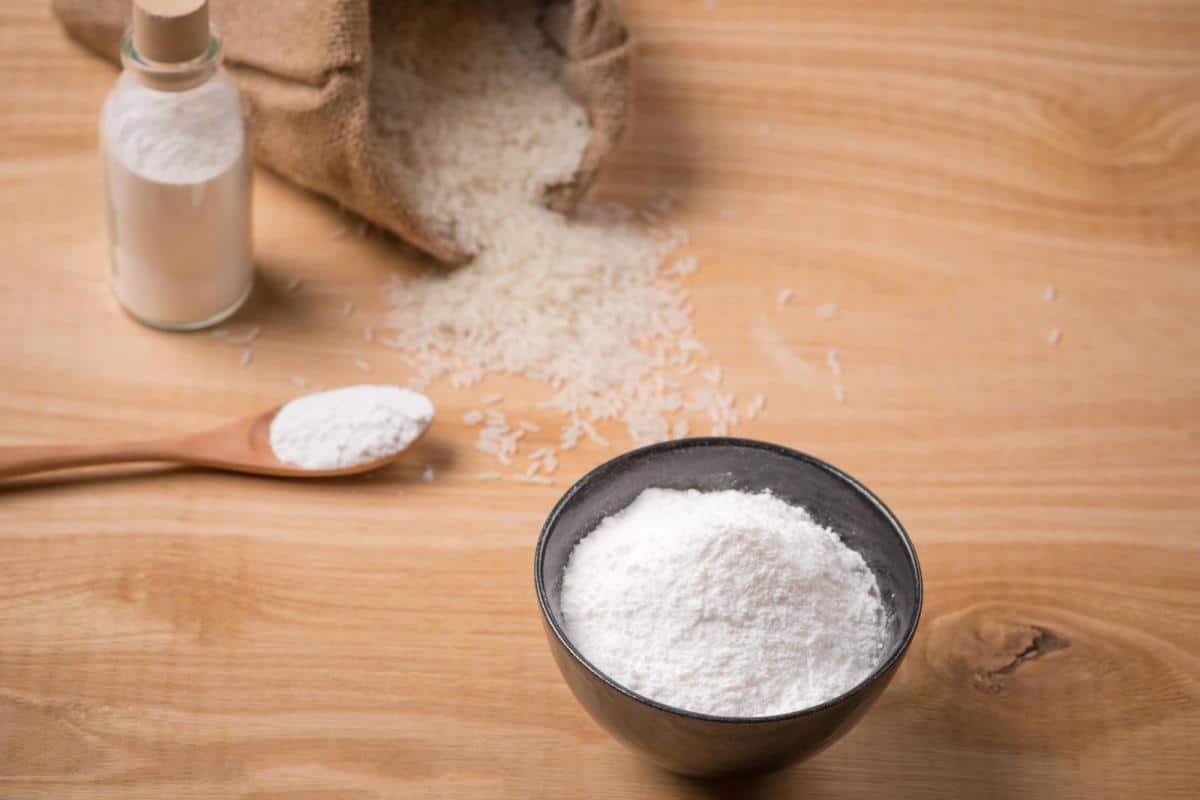
Rice flour serves as a great gluten-free corn flour substitute. Finely ground rice creates this type of flour, suitable for numerous recipes. White rice flour and brown rice flour are both good options.
Use ⅞ cup of rice flour for every 1 cup of corn flour.
Best for: Rice flour works well as a cornflour alternative in Gluten-free baking, particularly in recipes desiring a crispy texture, like tempura batter. It can also add a light nutty flavor.
Also see: Best Rice Flour Substitutes for Gluten Free Baking and Cooking
3. Cornstarch
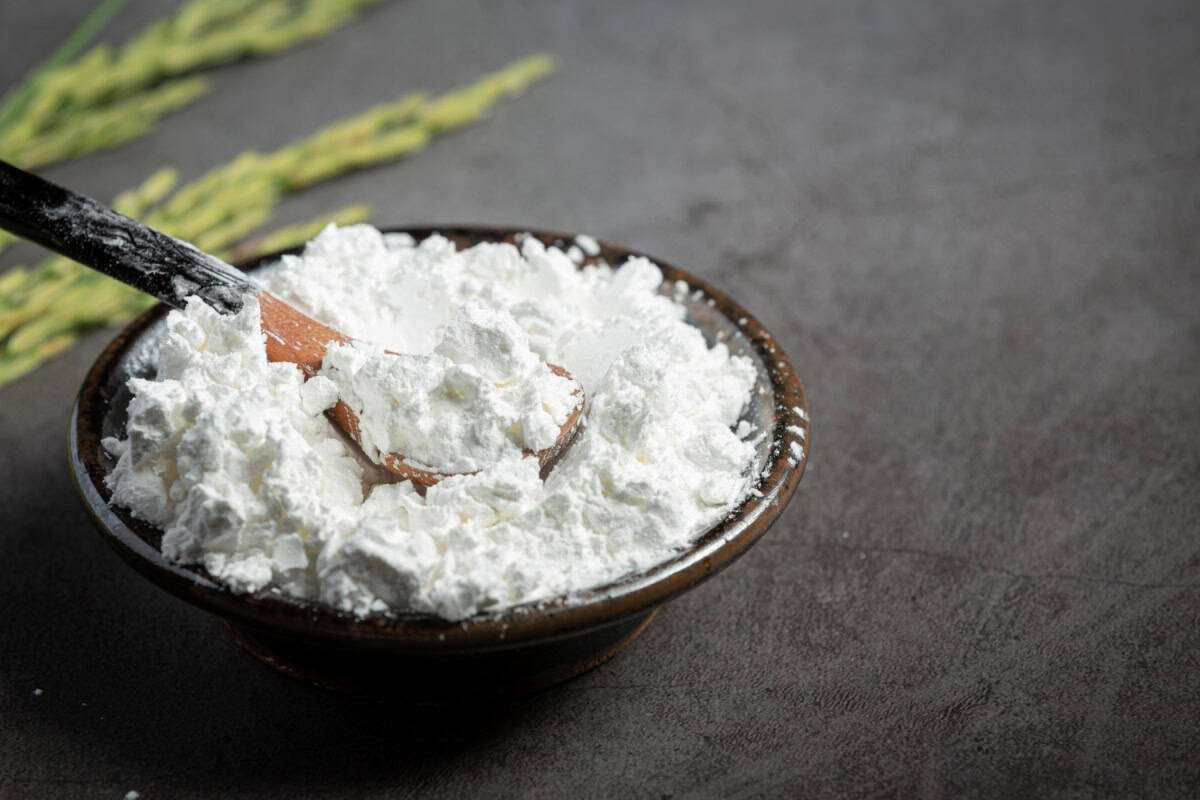
Although not identical to corn flour, maize starch serves as a viable substitute in specific recipes. Cornstarch consists purely of starch, whereas corn flour includes protein and fiber. Using cornstarch will require adjusting liquids.
Use ½ cup of cornstarch for every 1 cup of corn flour.
Best for: Cornstarch is a good substitute for corn flour while thickening sauces, gravies, and puddings.
4. Wheat Flour
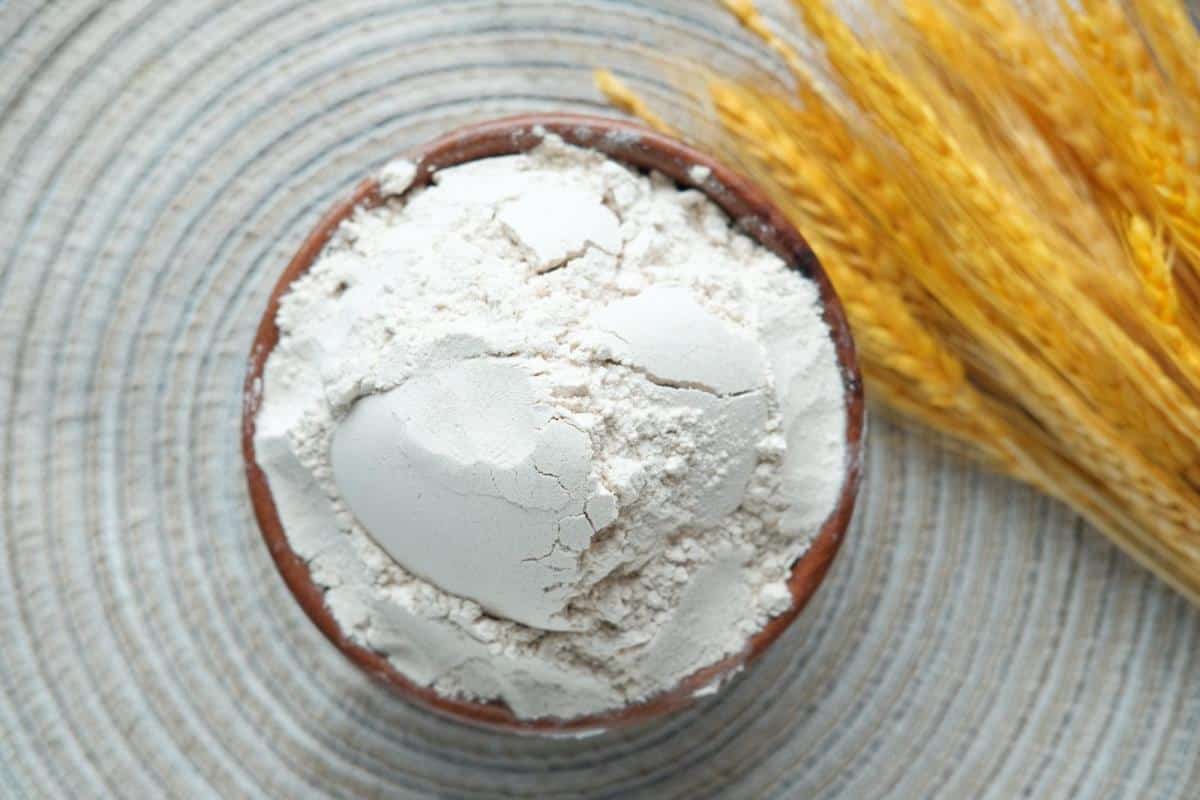
Wheat flour presents another prevalent substitute for corn flour. Although not gluten-free, it performs admirably in numerous recipes, especially breads.
Use 1 cup of wheat flour for every 1 cup of corn flour.
Best for: Wheat flour works well as an alternative for corn flour in general baking and cooking applications.
5. Almond Flour
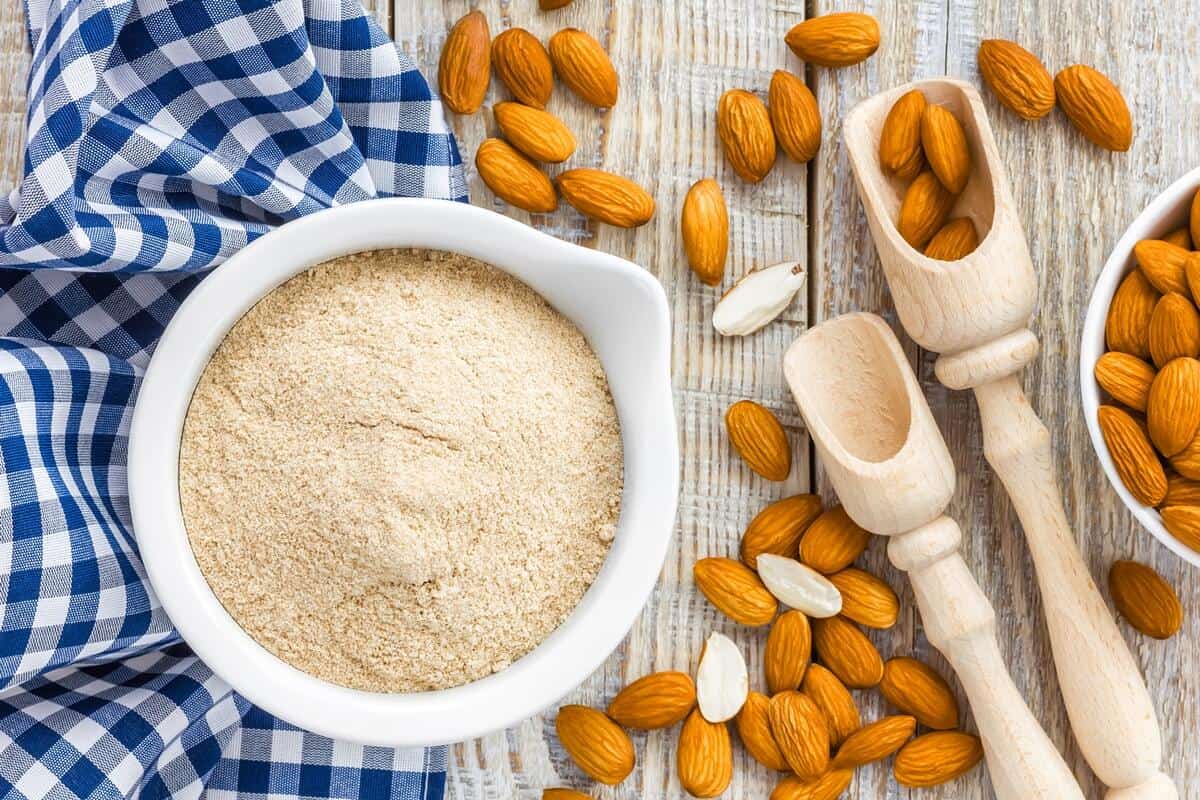
For individuals seeking a low-carb alternative, almond flour emerges as an excellent corn flour substitute. Ground almonds compose this flour, imparting a nutty flavor to your dishes. Almond flour is a high protein option.
Use 1 cup of almond flour for every 1 cup of corn flour.
Best for: Almond flour is a good substitute for corn flour when it comes to low-carb baking, notably in cookies and cakes. It also works well for coating meats before frying.
Related: 11 Top Almond Flour Substitute Options For Your Pantry
6. Tapioca Flour
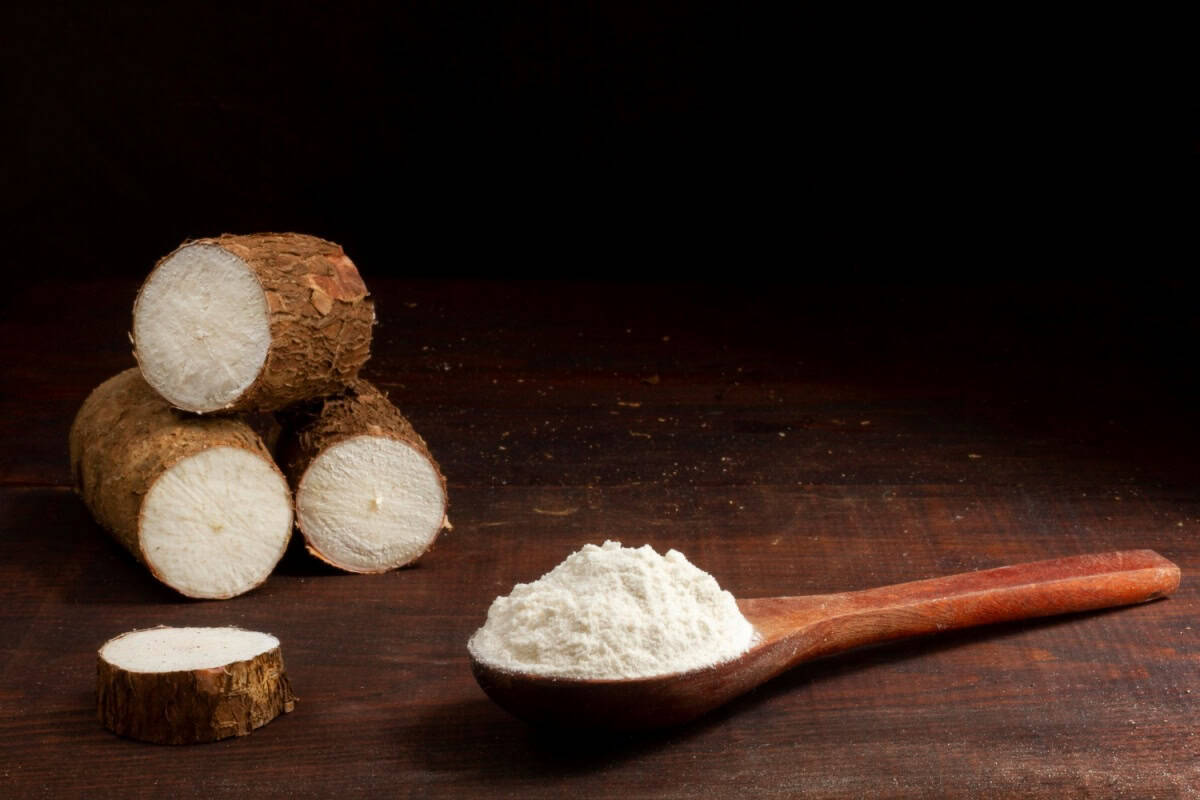
Tapioca flour, also called tapioca starch, is another great gluten-free corn flour substitute. Extracted from the cassava root, it offers a subtly sweet flavor. Tapioca is also great for thickening.
Use 1 cup of tapioca flour for every 1 cup of corn flour.
Best for: Tapioca flour serves well as a replacement for corn flour when thickening sauces and lending a chewy texture to baked goods. It proves especially valuable in gluten-free bread recipes.
7. Potato Starch

Potato starch is a great gluten free flour substitute. It has a neutral flavor. Potato starch is extracted from potatoes.
Use ½ cup of potato starch for every 1 cup of corn flour.
Best For: Potato starch works as a replacement for corn flour in soups, stews, sauces, and gravies.
Also read: Best Potato Starch Substitute Options For Gluten-Free Cooking and Baking
8. Arrowroot Flour
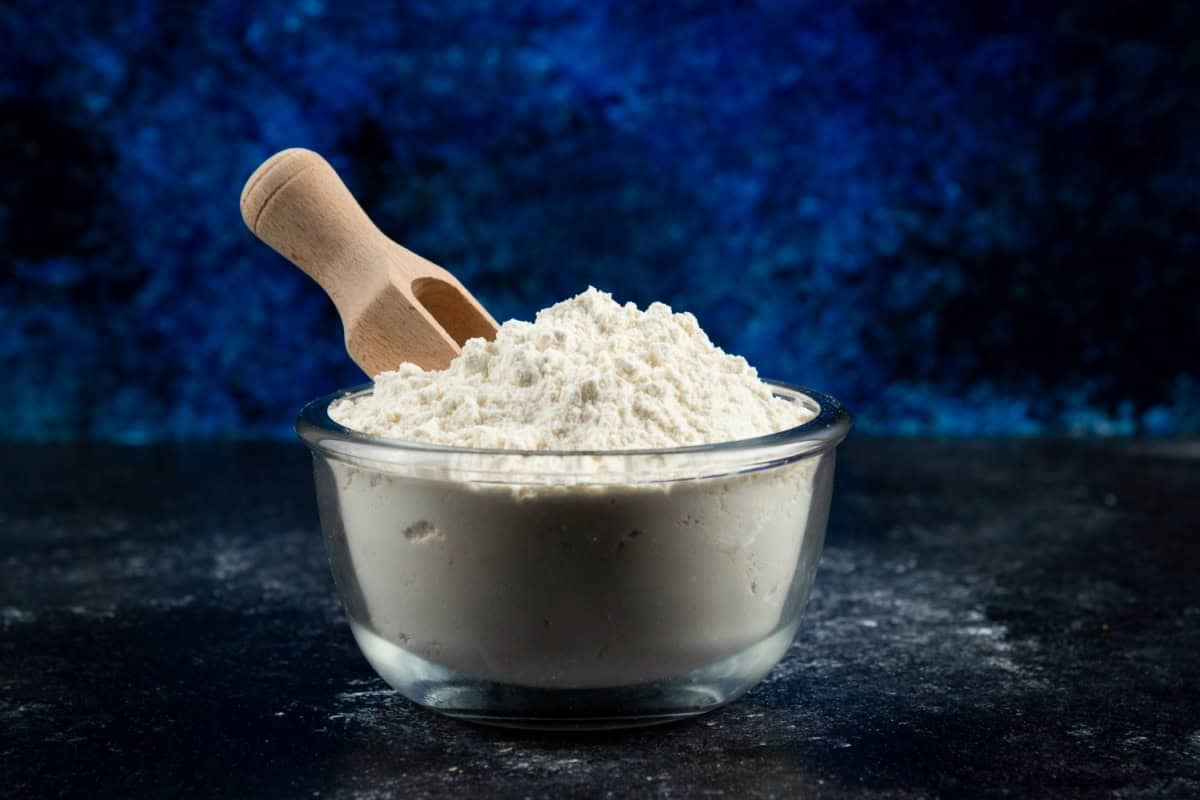
Arrowroot flour, similar to tapioca and potato starch, comes from a tropical plant. Unlike corn flour, arrowroot flour works well with acidic ingredients and freezes better without breaking down. It also thickens at lower temperatures.
Use 1 tablespoon of arrowroot flour per 1 tablespoon of corn flour.
Best for: Arrowroot flour can replace corn flour in sauces and gluten free baking.
9. Sorghum Flour

Sorghum flour, derived from the sorghum grain, offers a mild, slightly sweet flavor, making it a suitable substitute for corn flour. It is a popular choice for gluten free baking. This is a high protein option.
1 cup of sorghum flour for every 1 cup of corn flour
Best For: Sorghum flour works wonders as a substittue for corn flour in gluten-free baking such as in breads, cakes, and muffins.
10. Oat Flour

Oat flour, made from ground oats, provides a nutritious and gluten-free substitute for corn flour, offering a mildly sweet and nutty flavor. This is an excellent high protein flour substitute.
1 cup of oat flour for every 1 cup of corn flour
Best For: Oat flour can replace corn flour in a pinch in recipes like pancakes, muffins, or quick breads.
Note: Don't forget to check out our various substitutions, you might be surprised at what you can actually substitute: Best Recipe Substitutions - How to Substitute a Missing Ingredient
Choosing the Right Corn Flour Substitute
When choosing a corn flour substitute, take into account the following:
- Recipe requirements: Certain recipes may rely on the distinct characteristics of corn flour, while others offer more flexibility.
- Dietary restrictions: For those adhering to a gluten-free regimen, opt for a gluten-free substitute.
- Flavor profile: Certain substitutes, such as almond flour, impart their own unique flavor to the dish.
- Texture: Various substitutes influence the texture of the final product differently.
Tips for Using Substitutes
When using corn flour substitutes, keep the following tips in mind:
- Start with a Small Amount: When substituting corn flour, start with a small amount and adjust to taste. Some substitutes, like coconut flour, can be quite potent, so it’s better to err on the side of caution.
- Adjust Liquid Content: Depending on the substitute you choose, you may need to adjust the liquid content of your recipe. For example, if using a highly absorbent substitute like coconut flour, you may need to add more liquid to achieve the desired consistency.
- Combine Substitutes: Sometimes, combining different substitutes can provide the best results. For instance, using a combination of tapioca flour and potato starch can offer a good balance of texture and flavor, especially in gluten-free baking.
- Test the Ratios: The ratio of substitute to other ingredients may need to be adjusted. For example, if using a gluten-free flour mix, you may need to tweak the ratio of flour to liquid to achieve the right consistency.
- Consider the Recipe: Different recipes require different substitutes. For example, if making a cake, you may want to use a substitute with a lighter texture, like almond flour or oat flour. If making a sauce, you may want to use a substitute with good thickening power, like cornstarch or tapioca flour.
FAQs
Both are made from dried whole corn kernels, but yellow corn flour has a slightly stronger flavor and more natural sweetness, while white corn flour is milder.
Yes, gluten free flour mixes can be used for frying, but results may vary. Adding a starch like tapioca or rice flour can improve crispiness.
To substitute brown rice flour for corn flour, use the same amount, but consider adding a starch like arrowroot or tapioca to improve texture.



Recipe

Corn Flour Substitute
Ingredients
- 1 tablespoon all-purpose flour
- 1 tablespoon arrowroot flour
- 1 tablespoon rice flour
- 1 tablespoon cornstarch
Instructions
Option 1: All-Purpose Flour
- You can use the same amount of all-purpose flour as you would corn flour. For example, if a recipe calls for 1 tablespoon of corn flour, you can use 1 tablespoon of all-purpose flour instead. It works well for thickening sauces but may not be as smooth.
Option 2: Arrowroot Flour
- If you want to use arrowroot flour as a substitute for corn flour, start by using the same amount that the recipe calls for. If the recipe calls for 1 tablespoon of corn flour, use 1 tablespoon of arrowroot flour instead. This option is great for gluten-free recipes and provides a silky texture.
Option 3: Rice Flour
- As a general rule of thumb, you can use the same amount of rice flour as you would corn flour. For example, if a recipe calls for 1 tablespoon of corn flour, use 1 tablespoon of rice flour. It works well in frying and thickening.
Option 4: Cornstarch
- Cornstarch is the closest match to corn flour in terms of texture. Use a 1:1 ratio, but keep in mind that cornstarch thickens more quickly than corn flour, so you may need to adjust cooking time.
Notes
- Arrowroot and rice flour are excellent gluten-free alternatives.
- Cornstarch provides a very similar thickening effect to corn flour but needs to be dissolved in liquid before use.
- All-purpose flour can work as a substitute but may alter the texture slightly.
You can find the video in the post above. If you don't see a video, please check your browser settings.
Leave a Reply