

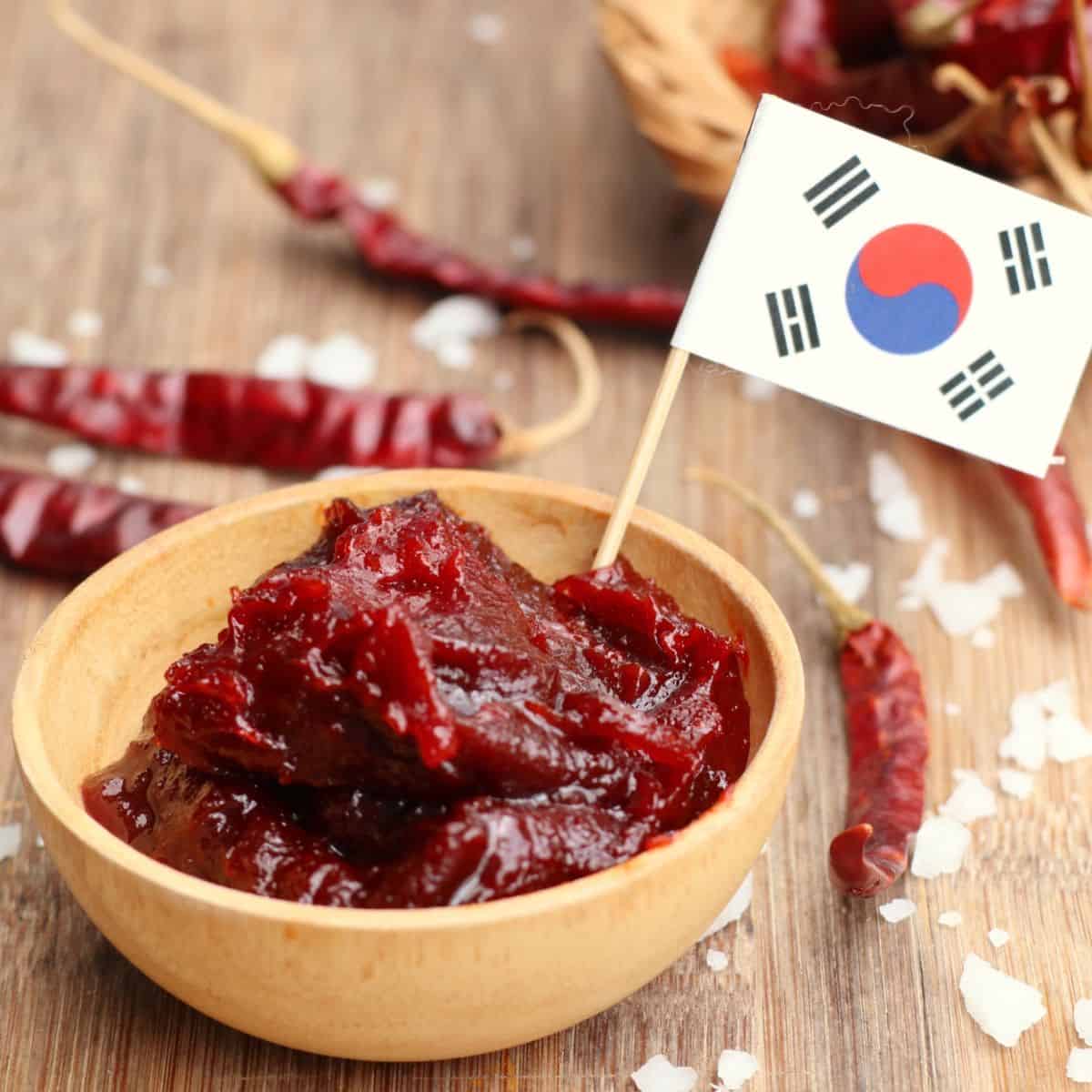
If you’ve ever cooked with gochujang, you know how it adds that delightful kick to your dishes! But what happens when you run out of this flavorful Korean chili paste? No worries! There are plenty of gochujang substitute options that can help you achieve that spicy, sweet, and umami flavor in your cooking.
Whether you’re whipping up a stir-fry, marinade, or dipping sauce, we’ll explore some tasty alternatives like chili garlic sauce as an example that will keep your meals delicious and satisfying. Let’s dive into the world of substitutes and keep those flavors coming!
Jump to:
What is Gochujang?
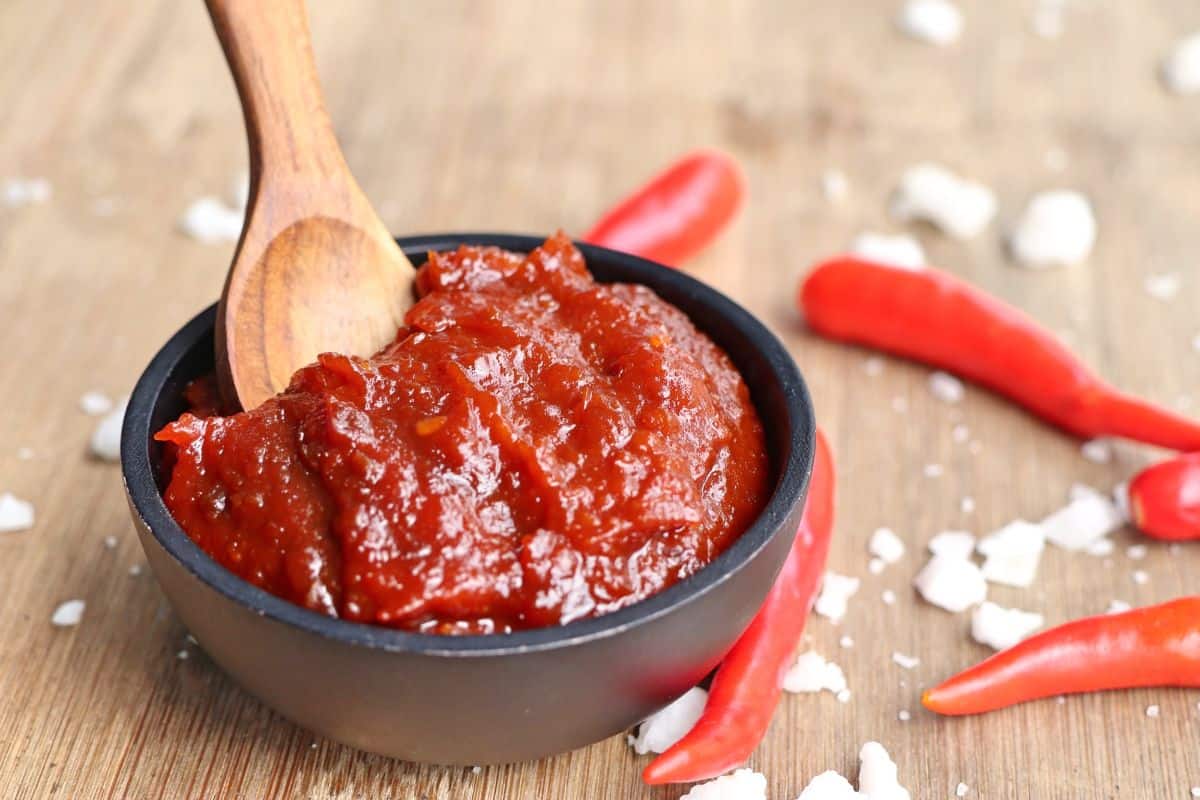
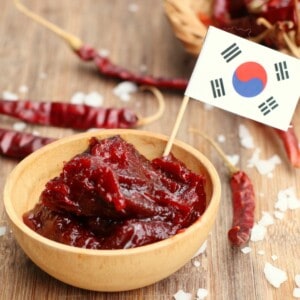
Gochujang is a Korean chili paste made from fermented soybeans, rice flour, and red pepper powder. Gochujang has been used in a variety of dishes for generations, lending an intricate flavor to soups, gravies, seasonings, and more.
Koreans developed gochujang in the 16th century as a spicy condiment to enhance their meals. The main ingredients were fermented soybeans (known as meju), glutinous rice (called jocheong), and hot peppers (gochu).
The mixture was then aged for several months before being served with food. Over time this recipe evolved into what we now know as gochujang—a thick paste that packs quite a punch.
In recent times, cooks have explored using gochujang in Western recipes such as mac and cheese or pizza sauce, displaying its ability to upgrade any culinary experience.
Gochujang, a staple of Korean cuisine, has an interesting background that can deepen your appreciation for its unique flavor when added to dishes. By exploring substitutes for gochujang, you open up a world of new possibilities when creating recipes.
Benefits of Using Gochujang Substitutes
Using substitutes for gochujang can be a great way to save money and still get the flavor you’re looking for. Cost savings is one of the main benefits of using substitutes, as many commercial brands are more expensive than other ingredients that can provide similar flavors.
By experimenting with different combinations, you can discover a flavor that works best for your palate and provide flexibility in recipes.
For example, Chung Jung One’s Gochujang provides an authentic and flavorful alternative to traditional gochujang paste. It has all the same flavor notes but without any added sugar or preservatives like some commercial brands have.
You could also try making your own version by mixing miso paste with cayenne or hot red pepper flakes—this would give you a homemade option that would cost much less than store-bought versions while still providing plenty of flavors.
Another benefit of using substitutes is the experimentation factor—it gives cooks an opportunity to explore new flavors and create dishes they may not have tried before.
Using substitutes for gochujang can provide cost savings, flexibility in recipes, and experimentation opportunities. A list of alternatives is provided below for those looking to explore different flavors or experiment with their cooking.
💡Key Takeaway: Using substitutes for gochujang can be a great way to "cut corners" and still get the same flavor profile. Experimentation is key to finding an alternative that works best, whether it's Chung Jung One's Gochuchjang or homemade miso paste mixed with cayenne or hot red pepper flakes—there are plenty of options available.
Best Substitutes for Gochujang
While it’s widely used in Korean cuisine, gochujang can be difficult to find outside of specialty stores or Asian markets. If you don’t have access to gochujang, there are several good substitutes available.
1. Sriracha
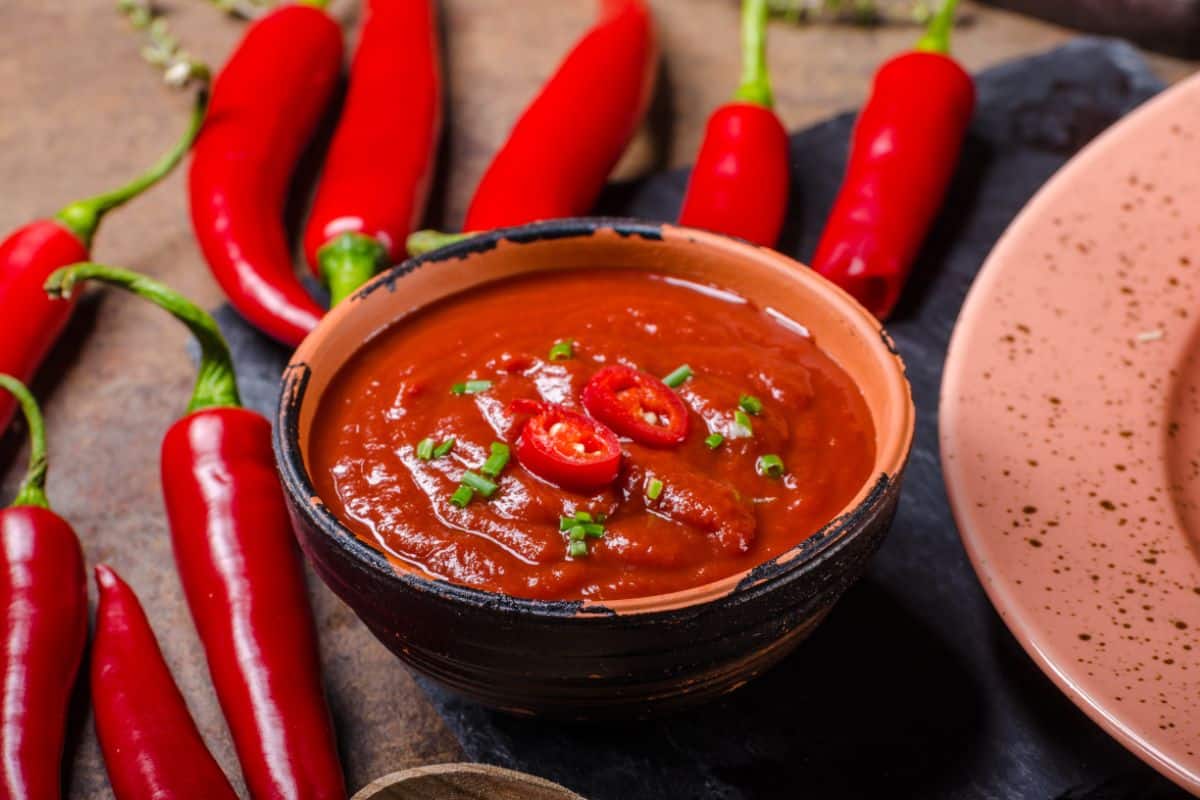
This popular Thai hot sauce is similar in texture and heat level to gochujang but lacks sweetness. To make up for this difference, add some sugar when using sriracha as a substitute for gochujang.
Sriracha is easy to find at most grocery stores and online retailers, so it's an ideal choice if you're looking for something quickly and easily accessible.
Best for: Sriracha makes an excellent substitute for gochujang with its spicy-sweet tang, working well in bibimbap, dipping sauces, Korean-style tacos, and kimchi fried rice for bold, balanced flavor.
Check out Best Aji Amarillo Paste Substitute Ideas For Recipes here.
2. Chili Garlic Sauce
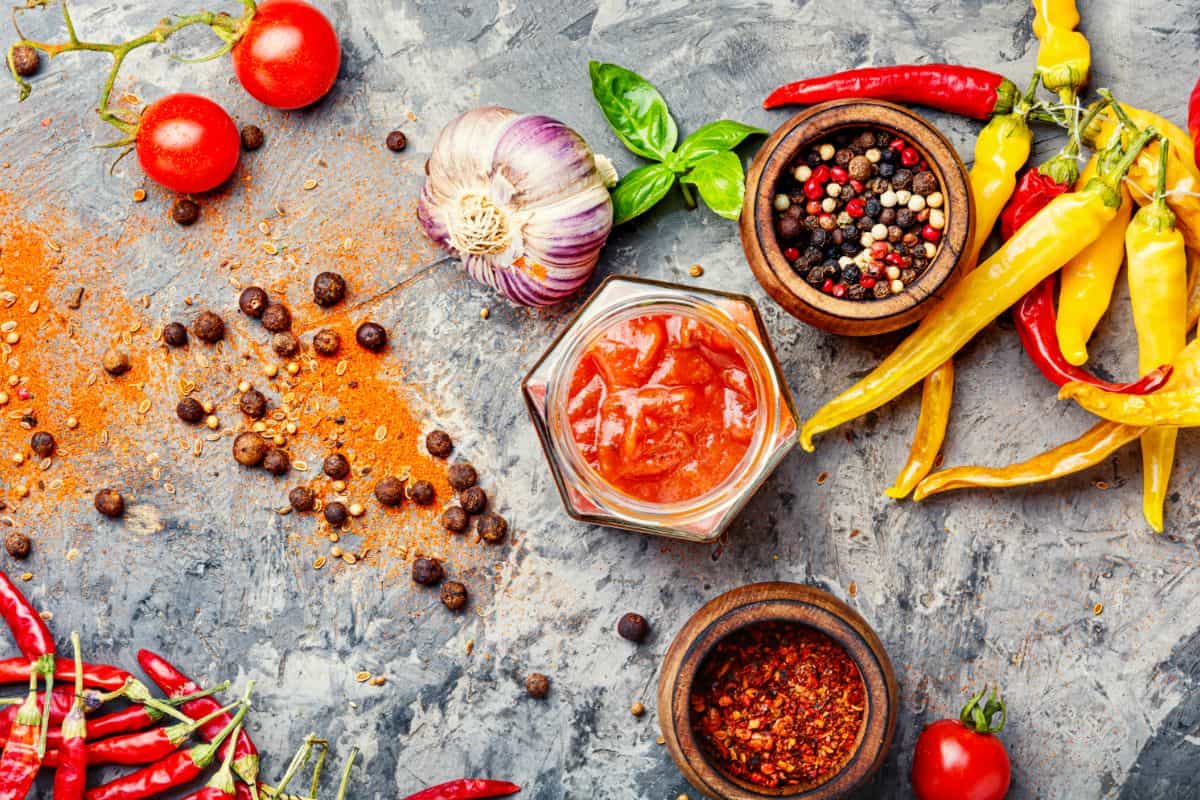
This Chinese condiment has a thick consistency with plenty of garlic flavor and chili heat. Chili garlic sauce doesn't contain any sweetener like gochujang does, so adding some sugar or honey will help balance out the flavors when using it in recipes calling for gochujang.
Best for: Chili garlic sauce makes an excellent substitute for gochujang because it provides heat, garlicky depth, and slight sweetness, enhancing dishes like spicy Korean stews, bulgogi marinades, and dipping sauces for dumplings.
Related: From Mild to Fiery: Exploring Best Chili Paste Substitutes for Every Palate
3. Hoisin Sauce
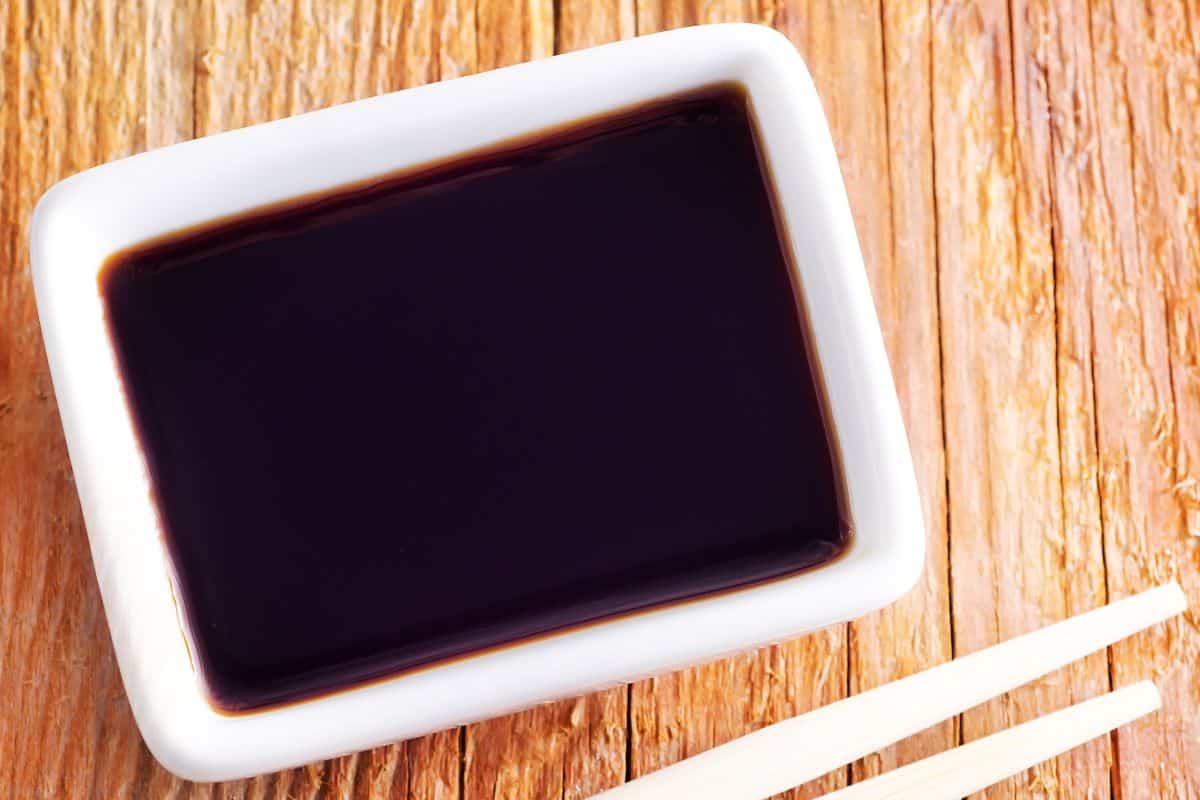
A staple in Chinese cooking, hoisin sauce contains ingredients such as soybeans, vinegar, and sugar, which give it its signature sweet-savory taste profile similar to that of gochujang.
Hoisin also tends to be less spicy than other sauces, so if your recipe calls for more heat, consider adding more chili flakes or another type of hot pepper.
Best for: Hoisin sauce makes an excellent swap for gochujang with its sweet, salty, and umami-rich profile, working well in Korean BBQ glazes, lettuce wraps, and spicy noodle soups.
Related: 10 Best Tamari Substitute Ideas for Delicious Recipes
4. Harissa Paste
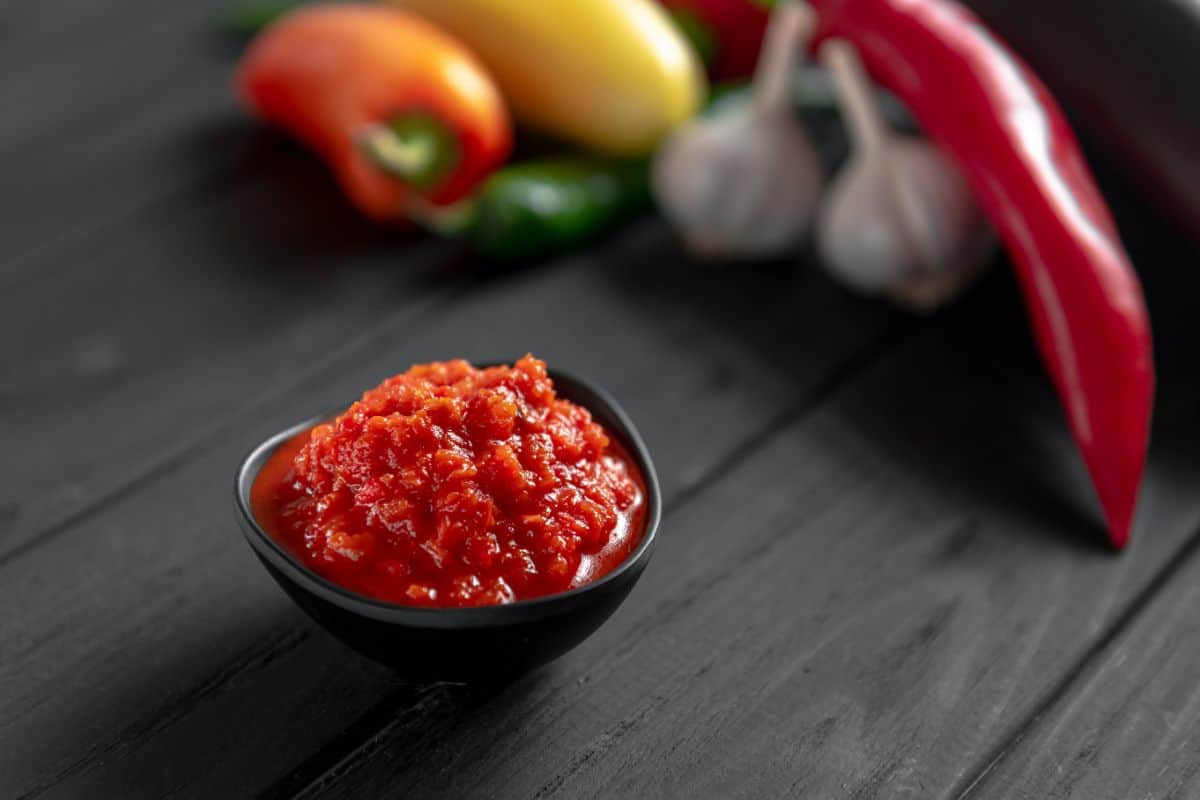
Harissa paste is made from ground chilies mixed with spices such as cumin and coriander. These components give it an earthy flavor profile along with its spiciness, making it the perfect gochujang paste substitute that is flavorful yet still slightly milder.
The addition of tomato paste helps round out harissa's savory notes while providing just enough sweetness without being too overpowering like some other types of sauces.
Best for: Harissa paste works well as a gochujang substitute with its smoky heat and earthy depth, fitting seamlessly into Korean fried chicken, spicy tofu stews, and flavorful vegetable bibimbap bowls.
Related: What's the Best Harissa Substitute? 13 Alternatives for a Savory, Spicy Dish
5. Korean Red Pepper Flakes (Gochugaru)
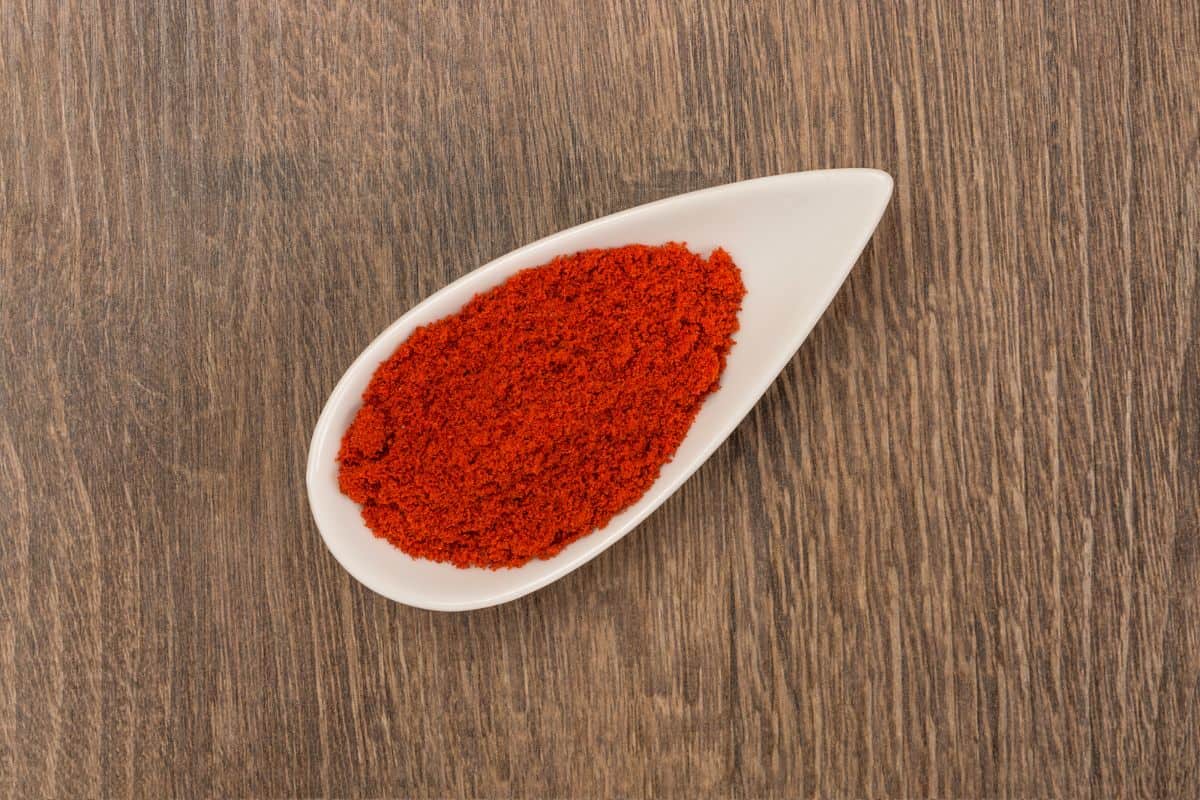
These dried red pepper flakes provide all the spice needed without having any added sugars like those found in traditional Gochujang.
They can easily be incorporated into marinades, dressings, soups, stews, and other dishes. They come pre-ground, making them a great last-minute gochujang substitute if need be!
Best for: Korean red pepper flakes, or gochugaru, serves well as a replacement for gochujang because they share the same chili base and smoky-sweet depth, working well in kimchi, spicy cucumber salad, and tteokbokki.
6. Miso Paste
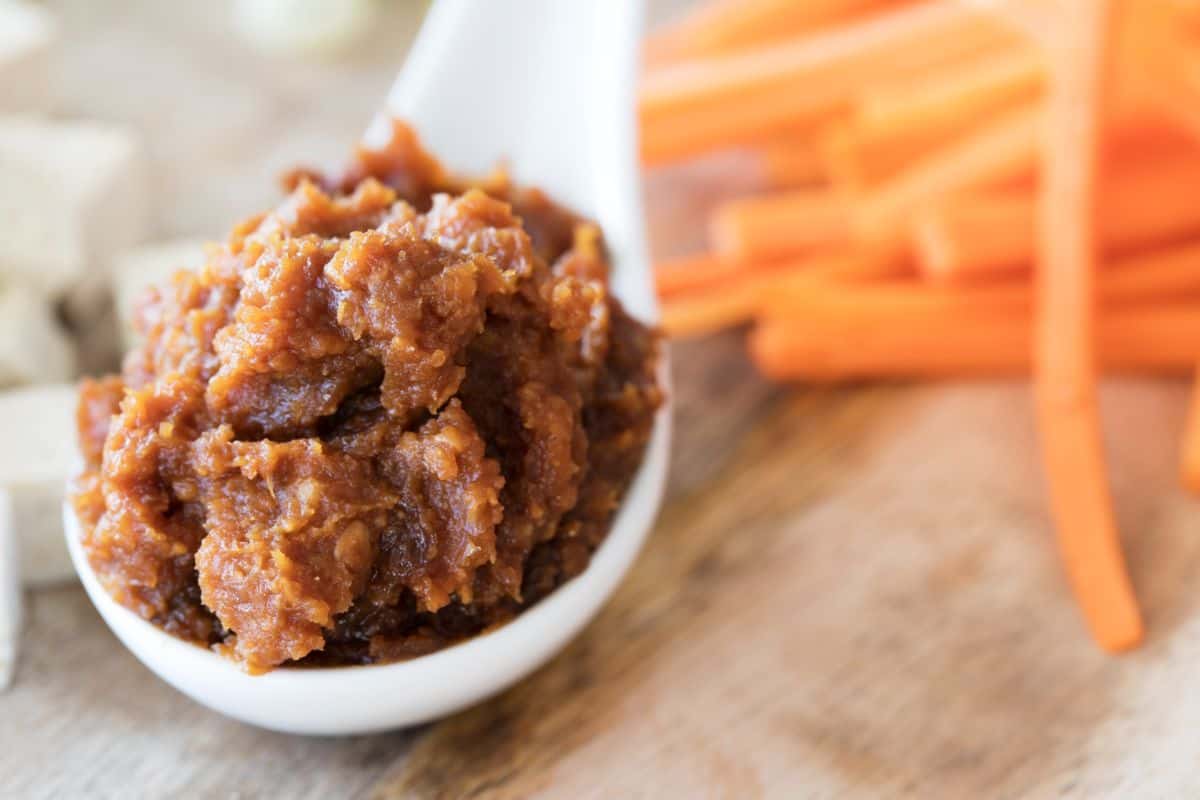
While miso paste is not an exact substitute for gochujang, it can add a similar umami flavor and depth to dishes. Mix miso paste with some chili flakes, soy sauce, and sugar to create a paste that can be used instead of gochujang in recipes.
Adjust the amounts of each ingredient to your desired taste and spice level. Remember that miso paste is saltier than gochujang, so you may need to adjust the amount of salt you add to the recipe accordingly. If unavailable, explore a suitable miso substitutes for alternative options.
Best for: Miso paste works as a substitute for gochujang because it delivers savory umami and fermented depth, pairing well in Korean soups, vegetable stir-fries, and as a base for spicy dipping sauces.
Check out Best Aji Amarillo Paste Substitute Ideas For Recipes here.
7. Tahini Paste and Soy Sauce Mixture
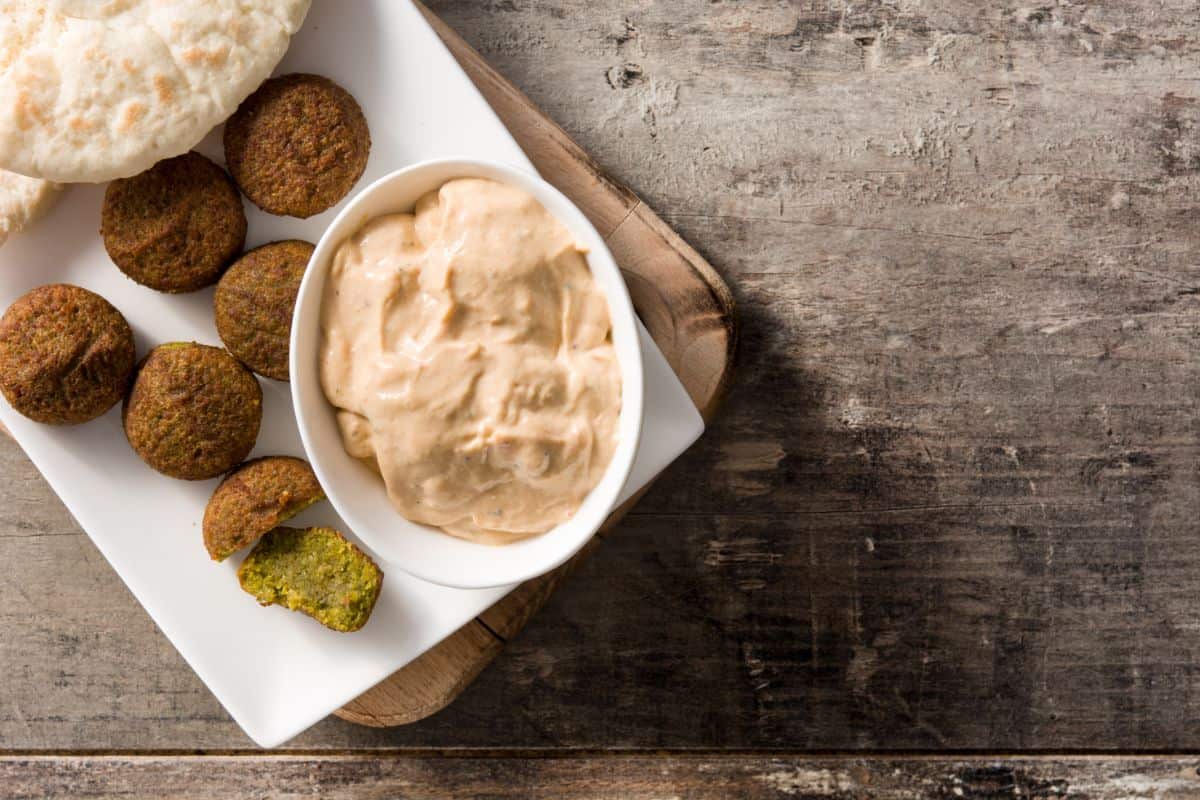
When combined in equal parts, tahini paste and soy sauce make for a delicious gochujang sauce substitute. The creamy texture and slightly nutty undertones of tahini pair perfectly with the salty umami notes of soy sauce, resulting in a well-balanced and flavorful combination.
It’s perfect for replicating original flavors in recipes using the traditional gochujang!
Best for: A tahini paste and soy sauce mixture can stand in for gochujang by combining nutty creaminess with salty umami, working well in bibimbap dressings, cold noodle sauces, and grilled vegetable marinades.
8. Chimichurri Sauce and Honey Mixture
Chimichurri is made by combining fresh herbs, such as parsley, oregano, cilantro, olive oil, vinegar, garlic, and lemon juice. Chimichurri’s complex flavors can be further enhanced by blending in a small amount of honey.
This final mixture closely resembles both the taste and smell of what you’d expect from the classic gochujang.
Best for: A chimichurri sauce and honey mixture makes an excellent substitute for gochujang by balancing herbal heat with sweetness, working beautifully in Korean-style meat marinades, grilled meats, dipping sauces, and spicy fusion rice bowls.
Related: 8 Top Cilantro Substitute Options For Every Recipe
9. Tomato Paste and Hot Pepper Mixture
Tomato paste provides a deep rich base note while incorporating various hot peppers, ranging from jalapenos and habaneros to ghost peppers, depending on your desired level of spiciness.
This mixture can provide a unique culinary experience by not only replicating the original flavor but also allowing for experimentation with various culinary possibilities, taking your dish to the next level.
Best for: A tomato paste and hot pepper mixture works well as a substitute for gochujang by offering tangy sweetness and heat, blending seamlessly into stews, spicy rice cakes, and Korean-inspired barbecue sauces.
Gochujang FAQS
Gochujang and chili paste are not the same, although they do share some similarities. Gochujang is a Korean fermented condiment made from chili powder, rice, soybeans, and salt, while chili paste typically refers to a generic term for any paste made from chili peppers.
Some chili pastes may contain similar ingredients to gochujang, such as soy sauce or vinegar, but they may not have the same depth of flavor and complexity that gochujang offers due to its fermentation process.
Additionally, gochujang has a distinct sweet and savory flavor profile that sets it apart from other chili pastes.
You can try using doenjang paste. Doenjang is a Korean soybean paste that has a similar fermented flavor profile as gochujang, but without the spiciness.
It's made by fermenting soybeans with salt and has a rich, savory umami flavor that can add depth to a variety of dishes.
However, since it lacks the heat of gochujang, you may need to add additional spices or seasonings to your dish to achieve the desired flavor.
Yes, there are several vegan gochujang sauce substitutes that can be used in recipes.
Some options include miso paste, soy sauce and tahini paste mixture, and a tomato paste and hot pepper mixture. These alternatives can help achieve a similar depth of flavor and complexity that gochujang provides, without the use of animal products.
However, some substitutes may not replicate the exact taste and texture of gochujang, so it may require some experimentation to find the best vegan substitute for your dish.
What Substitute for Gochujang Paste Will You Use?
If you don't have access to gochujang, there are several alternatives that will work equally well in your recipes.
From miso paste to sriracha sauce and everything in between, each substitute has its own unique flavor profile that adds a delicious twist to your recipes. With some experimentation and creativity, you'll be able to create amazing meals with any gochujang substitute.
Discover the perfect substitute for gochujang paste for your recipes with our comprehensive website. Learn how to cook delicious, air fryer-friendly dishes today!




Recipe
Using Sriracha as a Gochujang Substitute
Ingredients
For a sweet and spicy paste:
- 2 tablespoon sriracha
- 2 tablespoon honey
For a closer flavor to gochujang:
- 2 tbs tablespoon sriracha
- 1 tablespoon miso paste
- 1 tablespoon honey
For a direct replacement for gochujang:
- 1 tablespoon sriracha *Start with 1 tablespoon of sriracha and adjust the amount to your liking.
For a milder flavor:
- 1 tablespoon sriracha
- 1 tablespoon rice vinegar
- 1 teaspoon soy sauce
- 1 teaspoon sugar
Instructions
- Mix all ingredients as listed every subdtitute variation.
Notes
You can find the video in the post above. If you don't see a video, please check your browser settings.
Leave a Reply