


We've all been there. You're excited to make a delicious recipe, only to realize you’re missing a key ingredient: miso paste. Maybe you can't find it at your grocery store, or maybe you just don't want to buy an entire container for just a tablespoon or two. Whatever the reason, a good miso substitute can save the day without sacrificing flavor.
Finding a decent miso substitute isn't always about finding an identical replacement. It's more about understanding what flavors miso brings to your dishes and how to replicate them using ingredients you likely already have in your pantry. Whether you are looking for a similar salty flavor like tamari for a hearty soup or a nutty creaminess for a dressing, this article has got you covered.
Jump to:
Understanding Miso
Before diving into substitutes, it's helpful to understand what makes miso unique. This paste, a cornerstone of Japanese cooking, is made by fermenting soybeans with salt and koji, a type of mold.
You may be surprised to know there are over 1,000 different types of miso. These variations arise from different fermentation times (from a few weeks to several years), ingredients, and regional specialties. Each type brings its personality to the table, from mild and sweet to robust and pungent.
In the United States, a person typically encounters just two primary types: red miso and white miso. White miso, also known as "Shiro" miso, has a mild, slightly sweet flavor that lends itself well to dressings, light sauces, and even desserts. It gets its lighter color from a shorter fermentation process.
On the other hand, red miso undergoes a longer fermentation, which deepens its color and leads to a more pungent, salty, and umami-rich flavor. Red miso shines in hearty soups, braises, and marinades. Knowing which type of miso your recipe requires can help you determine the most suitable substitute.
Nine Nifty Miso Substitutes
1. Tamari

Let's start with a miso alternative that directly results from the miso-making process: tamari. Think of it as Miso's sophisticated cousin. This gluten-free soybean sauce shares a similar umami-rich depth but has a thicker, smoother consistency than regular soy sauce.
Since it shares a similar flavor profile with miso, it works well as a 1:1 replacement, but remember to start with half the quantity and adjust to taste as needed. I like to use tamari in dishes where the miso flavor needs to be a bit more pronounced.
Best for: Tamari is an excellent miso substitute due to its rich, umami flavor and similar saltiness and works well in recipes like marinades and gluten-free stir-fry, maintaining depth and complexity.
2. Soy Sauce

If tamari isn’t an option, trusty soy sauce is readily available and can serve as a solid substitute for miso in many recipes. While soy sauce lacks the thick texture of miso paste, it makes up for it with its widely recognized salty and savory notes.
Keep in mind that soy sauce tends to be saltier than miso, so you'll want to use about half the amount to avoid overpowering your dish. Consider swapping 1 ½ teaspoons of soy sauce for each tablespoon of miso paste.
Best for: Soy sauce makes an excellent miso paste substitute because of its salty profile and is particularly effective in sauces and classic fried rice where miso’s depth of flavor is needed.
3. Coconut Aminos

For those who can't or choose not to consume soy, coconut aminos provide a gluten-free and soy-free option that is slightly sweeter and milder than soy sauce.
While coconut aminos may not perfectly replicate the fermented depth of miso, it's worth noting they won't overpower delicate flavors. If you find the coconut flavor too prominent, try using a blend of coconut aminos and a pinch of nutritional yeast.
Best for: Coconut aminos are a great miso substitute due to their mild, slightly sweet flavor and lower salt content and is ideal for dressings and Paleo Teriyaki chicken where a lighter flavor profile is desired.
4. Soybean Paste
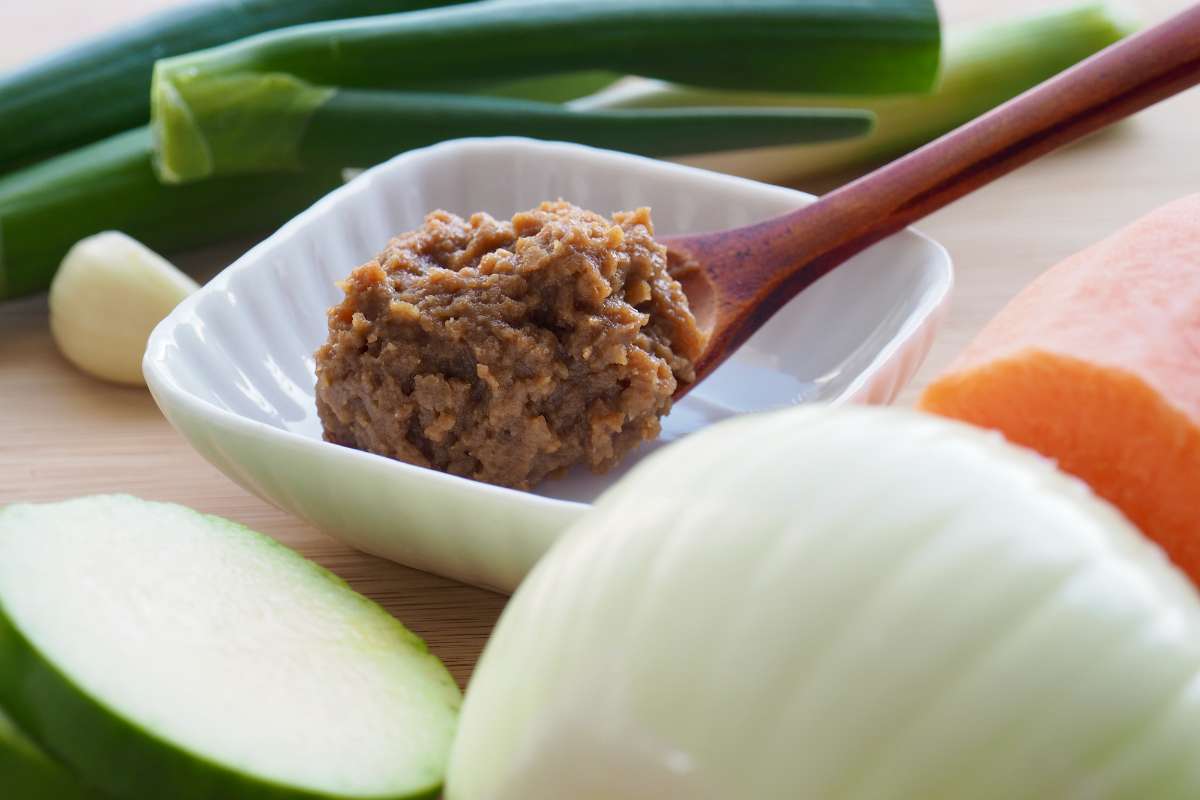
Soybean paste is made from fermented soybeans and has a salty, umami taste. Don't be fooled by the similar name; while soybean paste comes close to miso in ingredients, subtle differences set them apart. Soybean paste (also called doenjang) has a stronger, more pungent flavor due to its longer fermentation time without the addition of grains.
Start by using a smaller quantity than your recipe calls for to adjust for the intensified taste, and taste-test as you go.
Best for: Soybean paste makes a suitable miso paste substitute and works well in soups and stews like Korean Doenjang Jjigae (Soybean Paste Stew), where miso’s depth and richness are needed.
5. Dashi

Let's pivot to dashi, a versatile ingredient with a rich history in Japanese cuisine. It offers a deep umami flavor that aligns well with miso's profile.
While it might not perfectly replace miso as a standalone substitute, consider incorporating a dash of dashi alongside other alternatives like soy sauce or tamari for an added depth of flavor.
Best for: Dashi is a good miso paste substitute and works especially well in soups like Miso Soup and broths, adding depth and complexity similar to miso without the thickness.
6. Fish Sauce

Another umami-rich contender in the substitute lineup is fish sauce. Made from fermented fish (anchovies are common), it delivers a unique pungent punch. It might seem odd at first glance, but this thin, amber-colored liquid can surprisingly spruce up dishes with its deep savory note akin to miso.
Use a cautious hand when incorporating fish sauce as a miso replacement, as its potency can quickly overpower delicate flavors. I would suggest beginning with just a quarter teaspoon for every tablespoon of miso called for in the recipe.
Best for: Fish sauce is an excellent miso paste substitute and is particularly effective in marinades and Pad Thai, where it adds depth and complexity similar to miso.
7. Anchovy Paste

Like its fish sauce cousin, anchovy paste adds a pungent savory boost to your dish. Although it's more potent and concentrated in flavor than miso, incorporating a small amount (start with a teaspoon) can introduce a delicious, salty depth similar to miso.
Remember to adjust the overall salt in your recipe accordingly to avoid over-salting. If you decide to go with this substitute, ensure to thoroughly incorporate it into the dish to avoid any overly fishy pockets of flavor.
Best for: Anchovy paste makes a solid substitute for miso paste and is ideal for recipes like a pasta puttanesca, tapenade, roasted vegetables where miso’s depth and complexity are desired.
8. Tahini
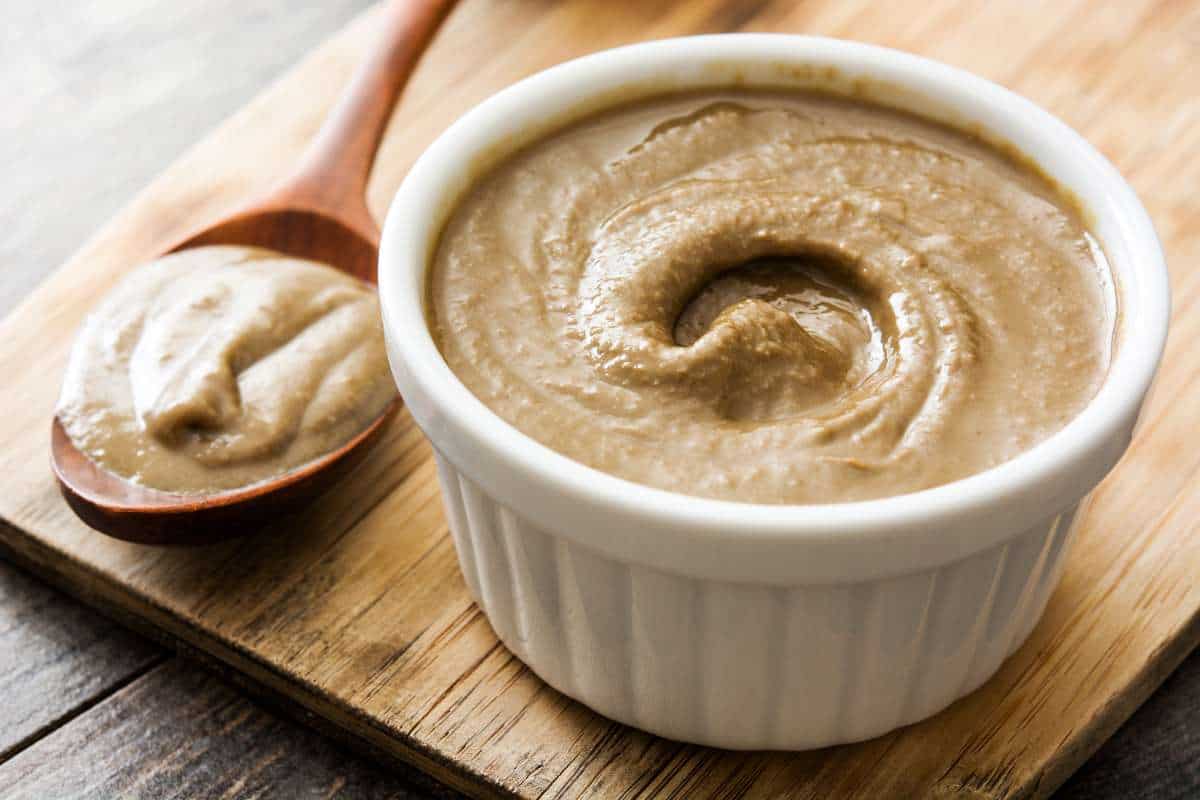
While not as commonly considered as the previous contenders, tahini holds potential as a compelling miso substitute. Made from ground sesame seeds, tahini boasts a thick, creamy consistency and a rich, nutty flavor that aligns remarkably well with the texture of miso paste.
You can use it as a 1:1 substitute for miso, primarily in sauces, dressings, or even dips. Although the flavor profile differs significantly, tahini delivers a savory and earthy richness that works wonderfully in vegetarian dishes or when aiming to experiment with a more nutty dimension.
Best for: Tahini can be a good miso substitute for its creamy texture and nutty flavor in dressings and Hummus where miso’s richness is needed, though it lacks the umami depth.
Also read: Sesame Oil Substitute: The Ultimate Guide
9. Vegetable Stock or Broth

In a bind? Plain old vegetable stock or broth might be your unexpected savior. While it lacks the signature fermented punch of miso, a good-quality stock offers a baseline of savory depth that can suffice when miso isn't available.
If you want to use stock as a miso substitute, start by swapping it out measure-for-measure and adjusting the recipe's overall seasoning accordingly. Consider using a more concentrated stock reduction to achieve a richer, deeper flavor that more closely resembles the taste of miso.
Best for: Vegetable stock or broth can substitute for miso paste, and is ideal in soups like Minestrone Soup and stews where miso's flavor depth is needed, though it may require additional seasoning.
Pro Tip: In soups, a full-flavoured vegetable stock can work instead of miso. However, if you're making a pure miso soup, it will need something else.
Tips When Using A Miso Replacement
When using a miso replacement in your recipes, here are some essential tips to ensure a successful swap:
Choose the Right Replacement
Opt for substitutes that match miso's umami profile. Soy sauce or tamari can provide a salty, savory flavor. For a richer taste, try blending soy sauce with a touch of tahini or nut butters.
Adjust Salt Levels
Miso is naturally salty. If using soy sauce, reduce the added salt in your recipe to avoid an overly salty outcome.
Consider Consistency
Miso has a thick, paste-like consistency. If using liquid substitutes like soy sauce, you might need to adjust the quantity to maintain the recipe's texture.
Balance the Flavor
Miso's unique flavor includes sweet, salty, and umami notes. Enhance your substitute with a small amount of sugar or honey to replicate the depth of miso's taste.
Test Gradually
Start with smaller amounts of your substitute and taste as you go. This helps you fine-tune the flavor without overwhelming your dish.
Adjust Cooking Time
If your recipe relies on miso’s fermentation qualities, be aware that substitutes might alter cooking times or flavors slightly.
By following these tips, you can effectively use a miso replacement while achieving a balanced, flavorful result in your dishes.
FAQs
To add umami flavor without miso paste, use soy sauce, nutritional yeast, or tamari. These ingredients can enhance the savory depth of your dish.
Soy sauce or tamari is a great substitute for adding a savory flavor to stir fries. They provide the umami taste without the thickness of miso paste.
Soy sauce provides a salty umami flavor but lacks the creamy texture of miso paste. It’s best used in smaller amounts and combined with other ingredients.
Yes, many grocery stores carry miso paste substitutes such as soy sauce, tahini, and nutritional yeast. Look in the international or health food sections.
Conclusion
While finding an exact flavor match might seem challenging, various readily available pantry staples can act as viable alternatives for those in a pinch. Knowing the role that miso plays in your recipe is key to making smart substitutions.
Consider the desired level of saltiness, savory depth, and textural elements when exploring these substitutes, as each one contributes a unique dimension. Happy cooking!




Recipe

Miso Substitute
Equipment
- One small airtight jar
- Food colander
- Measuring spoons
- Measuring cup
- Blender or food processor
Ingredients
- ½ cup salt-free canned cooked soya beans or other types of beans
- 3 teaspoon honey, agave syrup, or date syrup
- 3 teaspoon soy sauce, Worcestershire sauce, or vegemite
- ½ teaspoon sea salt
Instructions
Now that you have the materials and equipment ready, here's how to make your own homemade substitute for miso paste:
- Open your canned beans and pour the beans into your food colander, draining the liquid.
- Wash the beans to remove excess liquid and any spices.
- Allow the washed beans to drain in your colander.
- Once drained, measure half a cup of beans and place it in your blender or food processor.
- Add the other ingredients.
- Pulse to blend the ingredients until you have a smooth paste.
- Taste your homemade miso paste. If you still haven't achieved the rich, umami flavor you're looking for, add more soy sauce (Worcestershire sauce or vegemite) or salt.
- Once you're happy with the flavor, transfer the paste into your small jar, replace the lid, and close tightly.
Notes
You can find the video in the post above. If you don't see a video, please check your browser settings.
Leave a Reply