


So you ran out of coconut oil mid-recipe, and now you’re stuck? Or maybe you’re looking to avoid coconut oil because of dietary concerns and need a good substitute for coconut oil? Whatever the reason, finding a great replacement for coconut oil is important.
Many people want a substitute for coconut oil whether for flavor, health, or simple convenience. Plant-based options like avocado oil, which is rich in polyunsaturated fats, can be excellent alternatives. Before you throw in the towel on that recipe, I have some helpful solutions for you. Read below for more!
Jump to:
Understanding Coconut Oil
Coconut oil has become a very trendy ingredient in recent years. You probably have noticed how the popular keto and paleo diets mention it a lot. Coconut oil comes from the meat and milk of coconuts.
It is important to eat it in moderation though, due to its high saturated fat content, which could increase your cholesterol.
Why Use a Coconut Oil Substitute?
There are many reasons you may need to use an alternative. A substitute for coconut oil can lower saturated fat. Coconut oil is about 82% saturated fat.
The American Heart Association advises limiting saturated fats. This makes exploring oil substitutes a wise choice for many.
Substitute For Coconut Oil Ideas
When looking for a replacement for coconut oil, there are plenty of plant-based options out there. Many of these alternatives are rich in monounsaturated fats, offering great health benefits. Keep your specific needs in mind, but most of these other oils offer great benefits. Think about factors like flavor and high smoke point making them a good replacement.
1. Avocado Oil
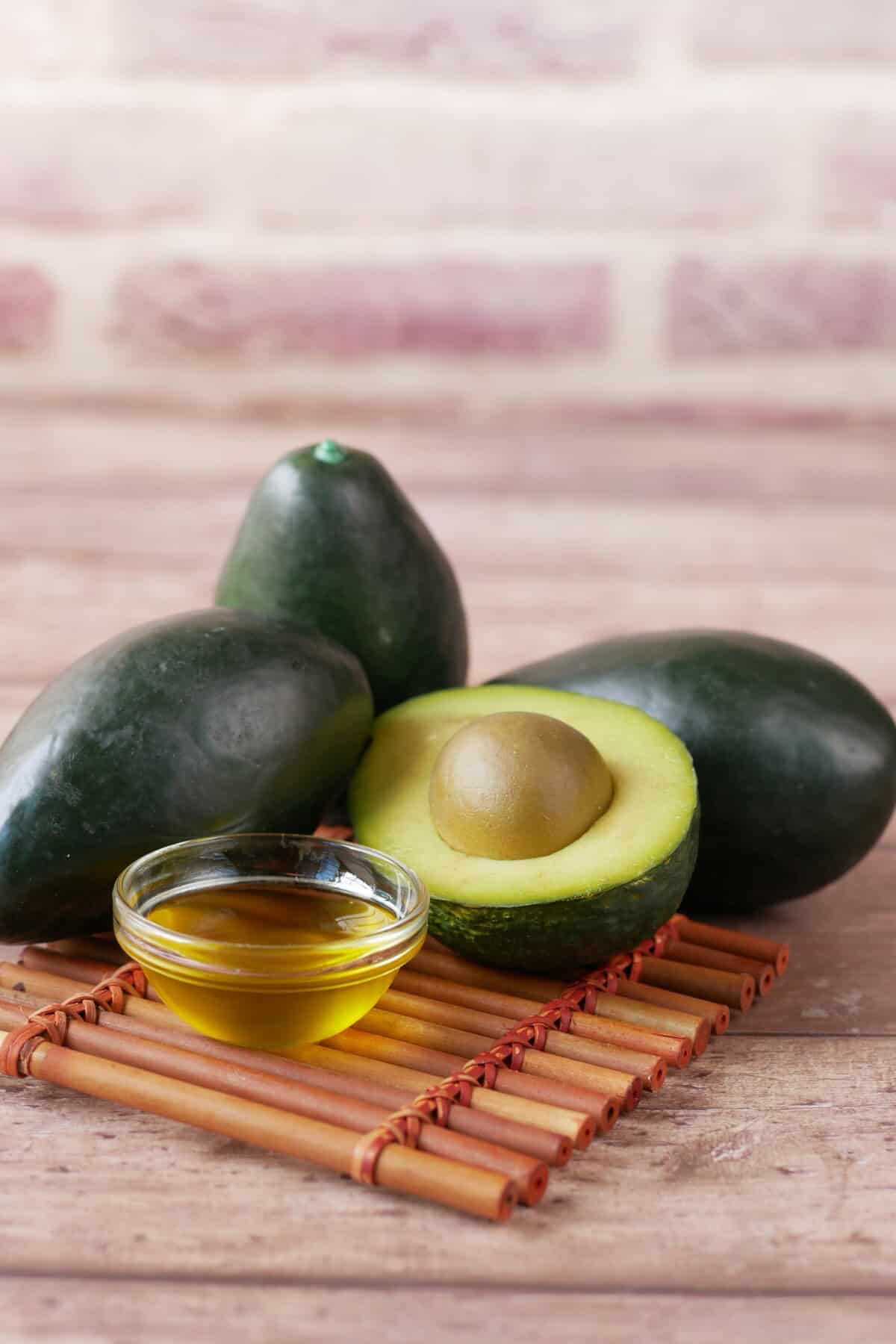
One of the best coconut oil substitutes is avocado oil. It works for almost any use, providing a neutral flavor. You get a neutral-flavored cooking oil with a high smoke point.
Just use the same amount as you do coconut oil. A 1:1 substitute ratio works well.
Avocado oil contains monounsaturated and polyunsaturated fats, making the oil actually good for you. Be sure to go with reputable brands like Chosen or Marianne’s for avocado oil. A study found many use fillers.
Best for: Avocado oil is a great substitute for coconut oil due to its neutral flavor and high smoke point, perfect for stir-fries, baking, and dressings.
2. Extra Virgin Olive Oil
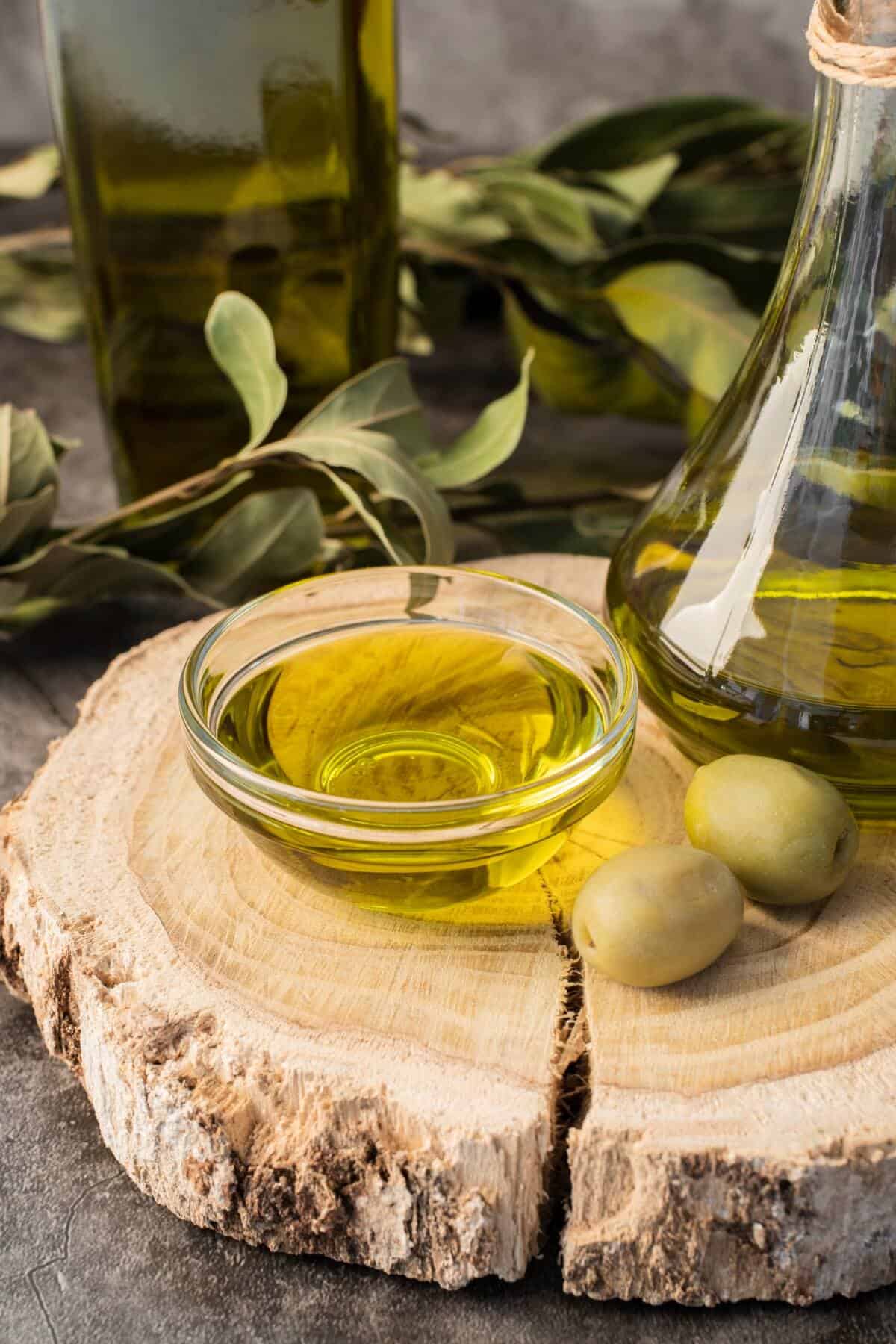
When you want to replace coconut oil in recipes without heat, use extra virgin olive oil. Extra virgin olive oil is also perfect for making dips or finishing dishes with a drizzle.
Olive oil contains oleic acid, which may help lower swelling. This substitute for coconut oil is still good for cooking. You'll use it in equal amounts; this is another easy 1:1 ratio of oil substitute, maintaining the recipe's intended consistency.
While it has a low smoke point, extra virgin olive oil remains versatile. Extra virgin is best used for cold recipes.
Best for: Extra virgin olive oil is a great substitute for coconut oil in dressings, sautés, and Mediterranean dishes, offering a fruity, healthy alternative.
Also see: Can You Use Olive Oil in Air Fryer?
3. Sunflower Oil
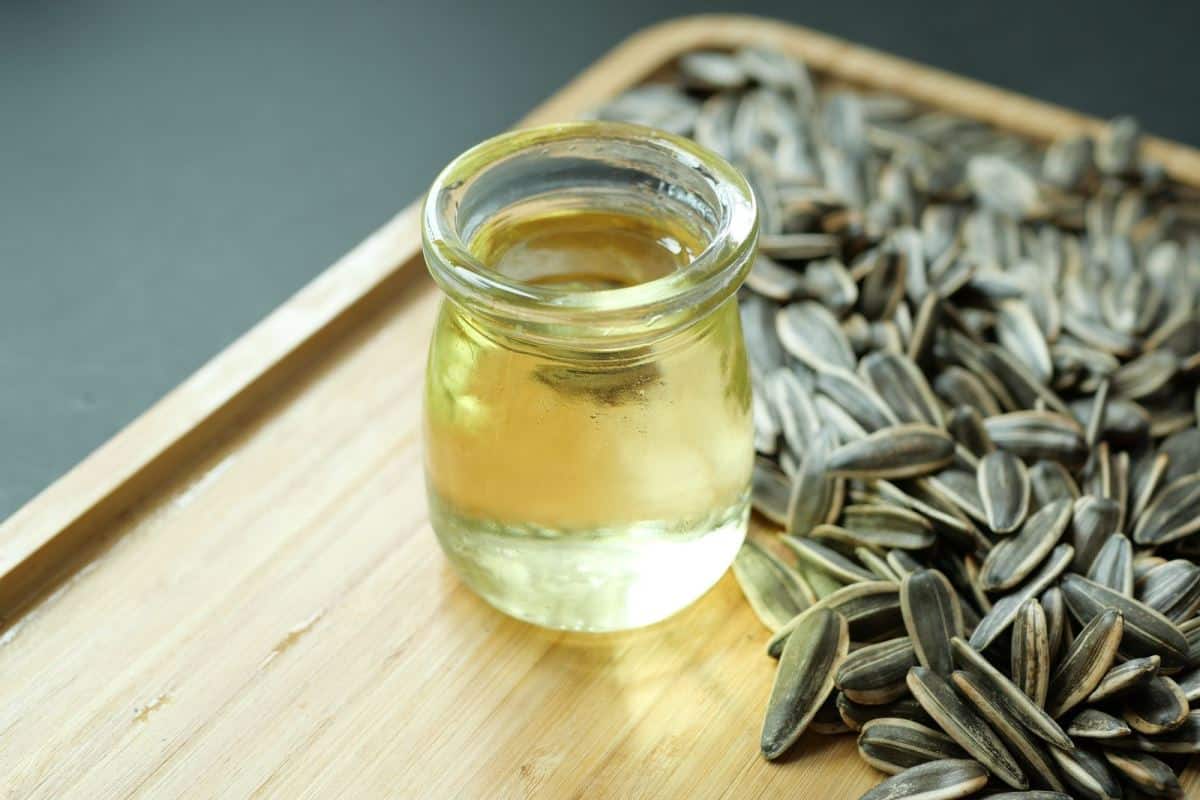
Sunflower oil comes up a lot as a go-to alternative. It holds up at hot temperatures. Use the same ratio with no worries about taste change from this neutral oil, offering flexibility in various cooking oil recipes.
That high heat capacity and lack of a distinct flavor profile makes it popular. It becomes a choice of cooking oil in cases of frying and is suitable for recipes requiring high temperatures. It is also good for baking too.
Best for: Sunflower oil’s neutral flavor and high smoke point make it a great substitute for coconut oil in frying, baking, and sautéing recipes.
4. Grapeseed Oil

You might not always see grapeseed oil talked about as much. However, it still deserves consideration. This oil is low in saturated fats but has an abundance of polyunsaturated fats.
Grapeseed oil doesn’t have cholesterol, so it can help your heart. For anyone focused on eating healthier, grapeseed oil could be a nice, heart-healthy option.
This is also an easy one for the substitution ratio. The ratio for substituting grapeseed oil is 1:1.
Best for: Grapeseed oil’s neutral flavor and high smoke point make it an excellent substitute for coconut oil in stir-fries, roasting, and high-heat frying recipes.
5. Vegetable Oil

When you want another affordable option for a replacement for coconut oil, use vegetable oil. You still want to substitute coconut oil with something of the same quantity to maintain the consistency in many dishes. This ensures your cooking and baking results remain consistent.
It keeps all flavors balanced because it does not have a taste of its own. Vegetable oil holds its form over higher heats well. Vegetable oil works well in baked goods.
The neutral flavor makes it great for cooking oil. It is easily found at any grocery store too.
Best for: Vegetable oil’s neutral flavor and high smoke point make it a great substitute for coconut oil in frying, baking, and sautéing recipes.
Also read: What Is the Best Substitute for Vegetable Oil in Brownies?
6. Almond Oil
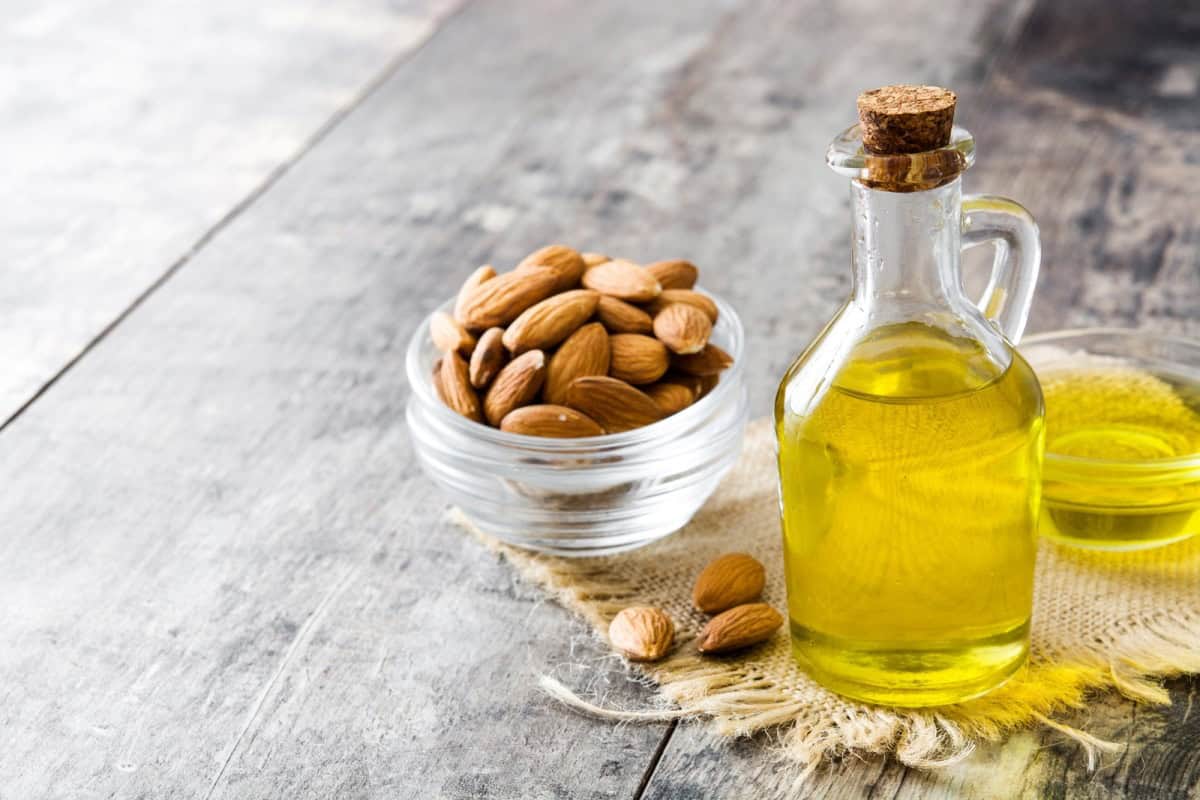
For certain recipes that already incorporate a rich, base, using almond oil has some upside. It has the advantage of standing tall against hot cooking applications. Almond oil has a high smoke point.
However, in cases where subtlety rules or fruit elements come into play, consider another alternative from our list. Like some others, replace coconut oil with an almond oil in 1:1 proportion.
It adds a hint of nuttiness without overpowering other flavors. It has a place in baking especially in gluten free recipes.
Best for: Almond oil’s mild, nutty flavor and high smoke point make it a great substitute for coconut oil in baking, gluten-free dishes, and sautéing.
7. Vegan Butter

Butter makes some baked goods very tasty. So what happens in vegan baking to replace that butteriness?
In a vegan baking substitute, these butter-flavored sticks and tubs mean avoiding dairy yet maintaining moisture in those treats we love. This means vegan butter works great as a substitute for coconut oil in vegan recipes.
Vegan butter is not only a great substitute for coconut oil but also works as a substitute butter.
Best for: Vegan butter's creamy texture and subtle flavor make it a great coconut oil substitute in baked goods, pastries, and sautéing for a dairy-free alternative.
Check out this awesome recipe: Best Vegan Chocolate Chip Cookies Ever
8. Applesauce Coconut Oil Substitution

If you're in a pinch and already have applesauce on hand, this may come as a surprise. If you use unsweetened applesauce, the texture and flavor will likely remain as is, adding a subtle sweetness. This makes it a suitable option for reducing fat content in baking recipes.
Keep in mind you might only use a portion of applesauce compared to oil, and that it can be quite spongy so it's a bit more variable.
When using applesauce, a common substitution ratio is ½ applesauce and ½ oil. This provides a slight bit more carbohydrates than fat.
Best for: Applesauce’s moisture and mild sweetness make it a great substitute for coconut oil in baking, especially in cakes, muffins, and quick breads.
Substitute for Coconut Oil Ratio Comparison
Below I've added a helpful comparison for each substitute. Note also the considerations of cooking styles too:
| Substitute | Ratio | Best For | Considerations |
|---|---|---|---|
| Avocado Oil | 1:1 | Stir-frying, roasting, frying | Can be expensive; check the brand reputation |
| Extra Virgin Olive Oil | 1:1 | Salad dressings, low-heat cooking, hair masks | Rich in oleic acid; not ideal for high heat |
| Sunflower Oil | 1:1 | Deep frying, sautéing, stir-frying | Neutral flavor; good for high heat |
| Grapeseed Oil | 1:1 | General cooking, heart-healthy option | Cholesterol-free; low saturated fat |
| Vegetable Oil | 1:1 | Sauteing, stir-frying, deep frying | Neutral flavor; affordable |
| Almond Oil | 1:1 | High-heat cooking; adds nutty flavor | Distinctive nutty flavor may not suit all baked goods |
| Vegan Butter | 1:1 | Vegan baking, adds buttery flavor | Maintains moisture without dairy |
| Applesauce | ½ applesauce : ½ oil | Vegan option, great to already have on hand. | Adds a slight bit more carbohydrates than fat, use with other oil in cooking. |
Health Perks
Did you realize many of these alternative oils offer more upsides outside ease of use? Many provide additional health benefits, such as monounsaturated fats and polyunsaturated fats, making them great replacements for coconut oil.
Extra virgin olive oil packs helpful elements like oleic acid, which could cut inflammation and antioxidants. Research indicates such factors protect the body long term, adding to the health benefits of choosing olive oil as a coconut oil substitute.
Substituting coconut oil can lead to improvements in heart health and overall wellness. Some options even have more health benefits.
Consider Smoke Points for your Substitute
The smoke point is that magic temp when fats start turning, often in unwanted ways. Different applications cause more intense reactions than other types of exposure to those cooking materials used, influencing the choice of oil in various cooking scenarios.
Avocado sits at 520°F, so it’s pretty resistant and useful to maintain structural integrity when deep-frying is needed. Coconut Oil burns much easier, highlighting the importance of considering the low smoke point when making the right selection. At its core, it is still one of the saturated fats.
Even though there may be some benefits to consuming coconut oil, there is reason to still moderate its consumption. Understanding and considering the smoke point is important when choosing the best coconut oil substitutes.
Cooking & Baking
Our Cooking & Baking courses cover a wide range of topics to help you master the kitchen. From basic techniques to advanced recipes, we have something for everyone.
- Cooking & Baking with Unsweetened Applesauce
- Baking Bread
- Pastry Making
- Cake Decorating
- Savory Cooking Techniques
Join us to enhance your culinary skills and discover new recipes that will impress your family and friends.
Conclusion
You learned that there are many choices when it comes to a substitute for coconut oil. Ingredient substitutions don’t have to stop you from making your favorite meal. Happy cooking!



Recipe
Substitute For Coconut Oil
Ingredients
- 1 tablespoon butter
- 1 tablespoon vegetable oil
- 1 tablespoon olive oil
- 1 tablespoon unsweetened applesauce
Instructions
- Option 1: Butter You can use the same amount of butter as you would coconut oil. For example, if a recipe calls for 1 tablespoon of coconut oil, you can use 1 tablespoon of butter instead. Note that butter is solid at cooler temperatures, similar to coconut oil, and adds a rich, creamy flavor.
- Option 2: Vegetable Oil For a neutral-flavored substitute, use vegetable oil in a 1:1 ratio. If a recipe calls for 1 tablespoon of coconut oil, substitute with 1 tablespoon of vegetable oil. This option works well when you want to avoid altering the taste of your dish.
- Option 3: Olive Oil If you prefer a heart-healthy alternative, use olive oil as a substitute in a 1:1 ratio. For example, if a recipe requires 1 tablespoon of coconut oil, use 1 tablespoon of olive oil instead. Keep in mind that olive oil has a distinct flavor that might slightly change the profile of your dish.
- Option 4: Unsweetened Applesauce For a lower-fat alternative, use unsweetened applesauce in a 1:1 ratio with coconut oil. This option works well in baking recipes, adding a subtle sweetness without altering the texture too much.
Notes
- Butter will mimic the solid texture of coconut oil when chilled, while vegetable and olive oils remain liquid at room temperature.
- The flavor profile of your dish may change depending on the substitute used; choose the option that best complements your recipe.
- Unsweetened applesauce can be used as a lower-fat alternative in baking recipes, adding a subtle sweetness without altering the texture too much.
- Adjust ratios as needed based on specific recipe requirements or personal taste preferences.
You can find the video in the post above. If you don't see a video, please check your browser settings.
Leave a Reply