


Ever find yourself ready to make a delicious Japanese dish, and then realize you're completely out of sake? It happens to the best of us. Thankfully, finding a good substitute for sake isn't as hard as you might think, and there are even options like white grape juice that can replace that alcohol content of 13-17%. Read on for more!
Jump to:
Understanding Sake and Its Role in Cooking
Before exploring substitutes, let's briefly discuss sake. Sake is a traditional Japanese rice wine made from fermented rice. The brewing process includes using polished rice, giving it a distinct flavor profile, which is a bit sweet with subtle umami.
(Alcoholic) Top Substitute for Sake Ideas
If alcohol isn't a concern, these best alternatives can get you close to that authentic sake taste:
1. Chinese Rice Wine (Shaoxing Wine)

Shaoxing wine (Chinese rice wine), is a close second to sake's flavor and creation. This Chinese cooking wine is crafted from fermented rice and has a similar alcohol level. It is sometimes called Shao Xing or Shao Xing cooking wine.
Substitute at a 1:1 ratio with sake.
Best for: Shaoxing wine works as a cooking sake substitute in dishes such as braised pork belly and chicken stir-fry.
2. Dry Sherry

Dry sherry, a fortified grape wine, has a subtly sweet note reminiscent of sake. It's easy to find and useful in the kitchen.
Use a 1:1 ratio. Just slightly lower other sweet components.
Best for: Dry sherry is a good sake substitute for a fast teriyaki sauce. The sherry adds depth and flavor.
3. Dry White Wine

A dry white wine makes a good substitute, especially for deglazing or adding a touch of acidity. A crisp Sauvignon Blanc can work if a recipe calls for sake to add some zest to a fish dish.
Substitute at a 1:1 ratio.
Best for: A dry white wine is a good sake substitute for light seafood, pan sauces, and risottos.
4. Dry Vermouth
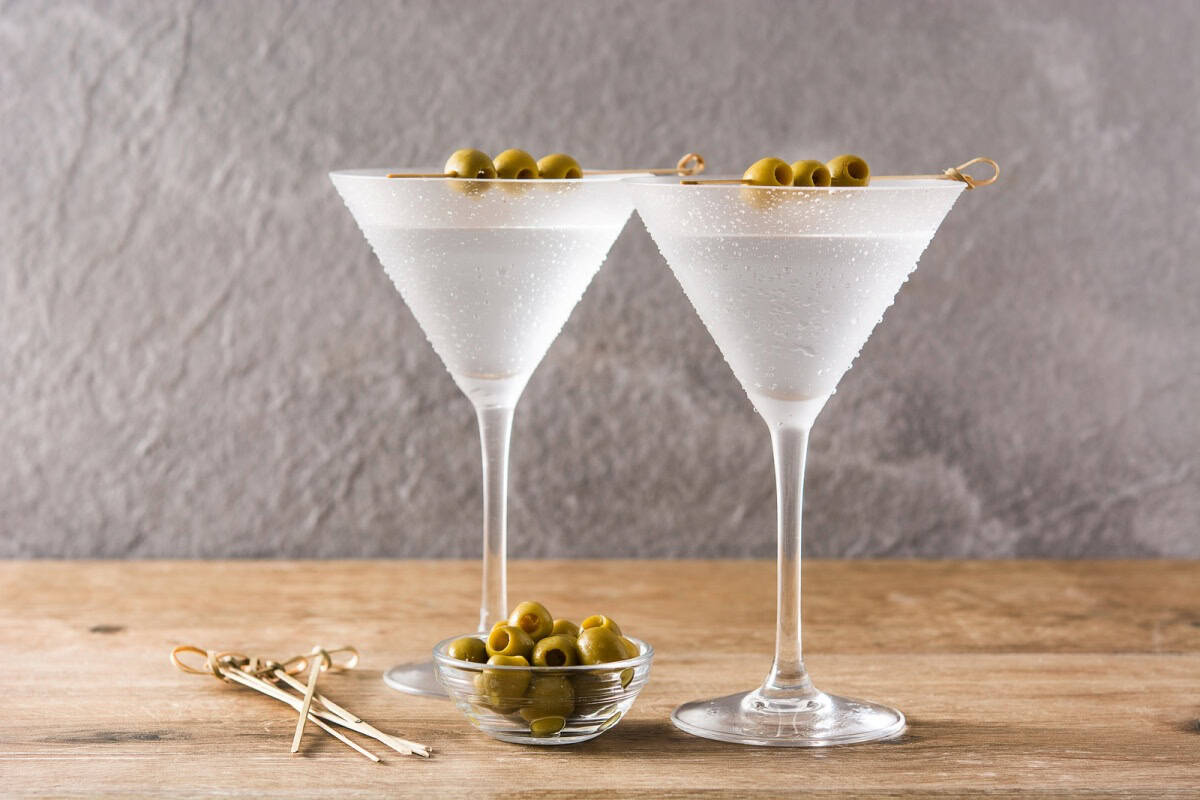
Dry vermouth, another fortified grape wine, is a good sake stand-in. The complex flavor profile brings richness to various meals.
Use a 2:3 ratio (2 parts water vermouth to 3 parts sake).
Best for: Dry vermouth works as a cooking sake substitute in clear soups or light broths, lending subtle complexity.
Check this out: Sweet Vermouth Substitute: 5 Best Alternatives to Use
5. Mirin
Mirin, although different, deserves a place on our list of cooking sake substitutes. It's also a Japanese rice wine, common in the kitchen. It has a lower alcohol and higher sugar content.
Mirin often contains around 14% alcohol. "Hon-mirin" is ideal for cooking.
Substitute at a 1:1 ratio, but cut back on other sweeteners.
Best for: Mirin is a great substitute for sake, working especially well in teriyaki chicken and as a glaze for grilled fish.
Non-Alcoholic Substitutes for Sake
For those looking for a non alcoholic sake substitute, there are options that can still provide a sake-like taste. These are good options when you do not want the alcohol content of sake.
1. Rice Vinegar

Rice vinegar brings that needed acidity and hint of sweetness, all without alcohol. Since this is vinegar, we only want a little of it mixed with other liquid.
Mix 1 part rice vinegar with 3 parts water.
Best for: Rice vinegar can be used as a cooking sake substitute for a quick, alcohol-free veggie stir-fry. The rice wine vinegar offers a pleasant tang without overpowering those vegetables.
2. White Grape Juice
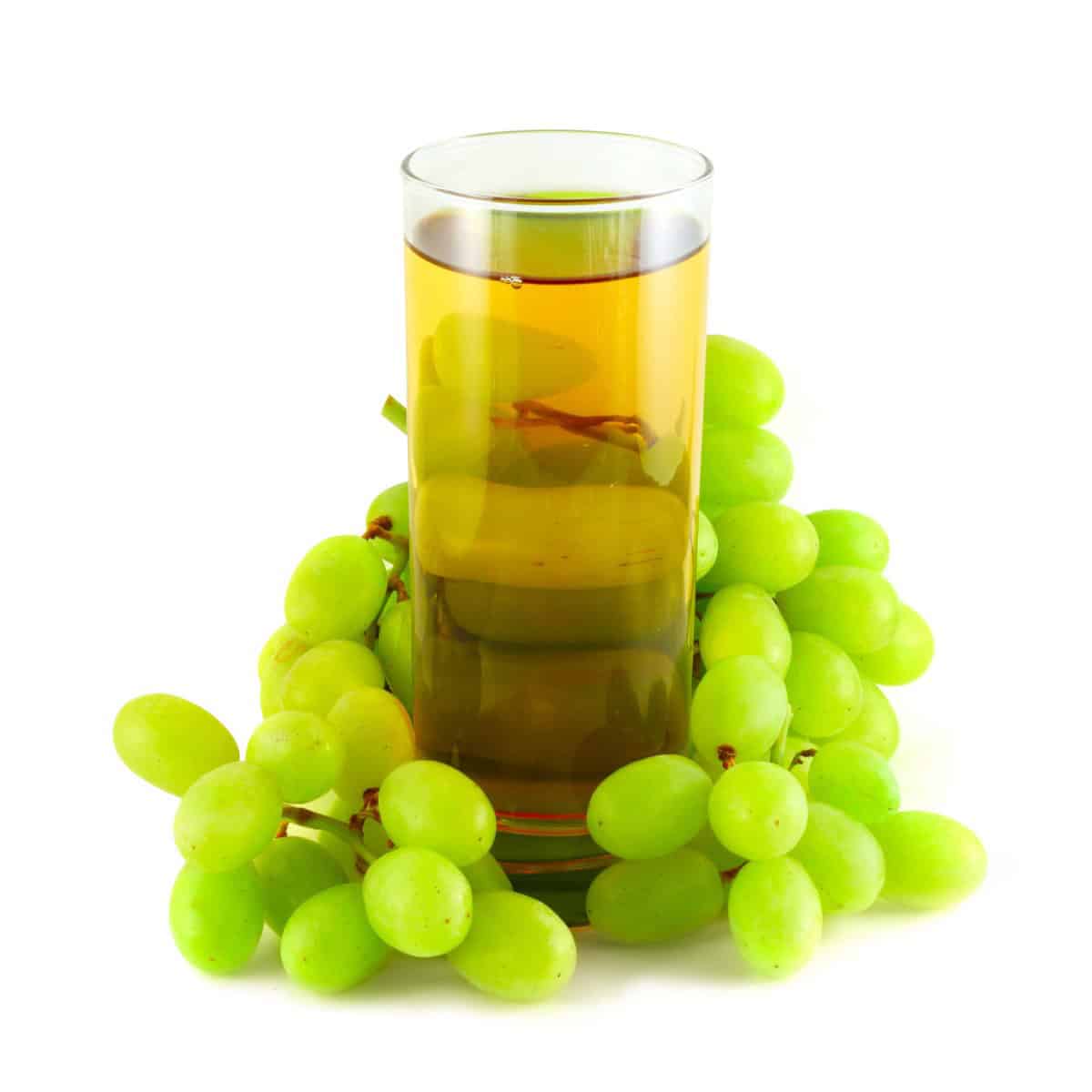
White grape juice brings that sake-like sweetness, adding a fruity twist to your cooking.
You can use a 1:1 ratio, reducing other sweeteners slightly.
Best for: White grape juice works as a replacement for sake when used in a chicken teriyaki sauce.
3. Apple Cider

Apple cider offers sweetness and acidity, which can act as a useful sake alternative. This is great for meats.
Substitute at a 1:1 ratio.
Best for: Apple cider can replace sake in pork recipes. It really helps tenderize meat and add a nice fruity flavor to go with it.
Related: What’s the Perfect Apple Cider Substitute for Your Recipes?
4. Water + Sugar
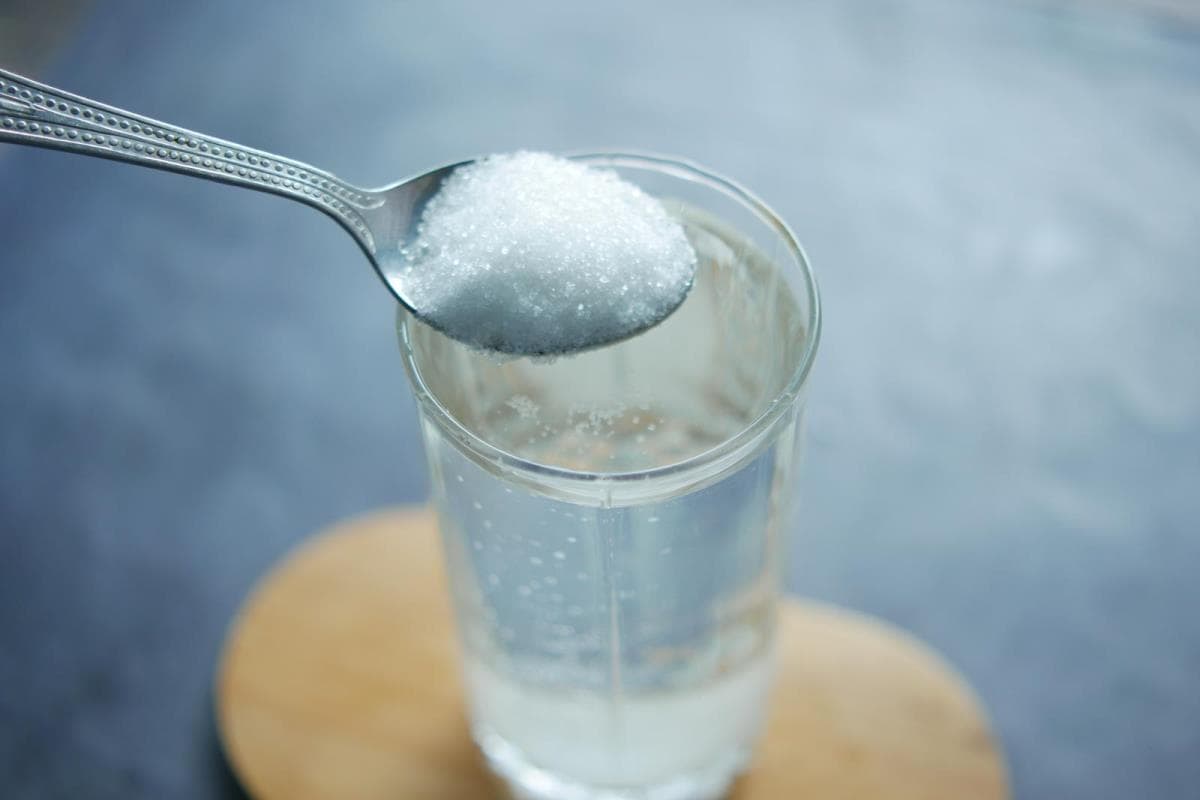
If you are really in a bind, water and sugar can act in place of some sake properties. While it lacks that sake complexity, it helps with balancing flavors. It can also provide moisture in smaller roles. A simple mixture can be better than no sake at all.
Per every ¼ cup of sake, mix ¼ cup water with 1 teaspoon sugar.
Best for: Water & sugar can work as an alternative for sake in any recipe where sake is primarily used for sweetness and moisture.
Also read: Madeira Wine Substitute: Best Options to Try Now
Tips for Using Sake Substitutes
Here are some things to keep in mind when you substitute for sake:
- Be sure to taste frequently. Since substitutes impact flavor differently and have a different flavour profile, regular tasting and seasoning adjustments are important.
- When using options like mirin with higher sugar, tone down other sweet ingredients for the best flavor balance.
- If you pick an alcoholic alternative, remember it may not fully cook off in dishes with quick cook times.
A Comparison of Sake Substitutes
To aid in picking the perfect substitute, check out this comparison:
| Substitute | Flavor Profile | Best Uses | Alcohol Content |
|---|---|---|---|
| Shaoxing Wine | Similar to sake, slightly nutty | Stir-fries, marinades | Yes |
| Dry Sherry | Sweet, nutty | Sauces, seafood | Yes |
| Dry White Wine | Crisp, acidic | Pan sauces, risottos | Yes |
| Dry Vermouth | Complex | Soups, Stews, Sauces | Yes |
| Rice Vinegar | Tangy, slightly sweet | Dressings, quick stir-fries | No |
| White Grape Juice | Sweet, fruity | Sweet sauces, glazes | No |
| Apple Cider | Sweet, slightly tart | Marinades, pork dishes | No |
| Water and Sugar Mixture | Sweet | Basic Sake Replacement | No |
FAQ's
No, soy sauce is not a direct substitute for sake in Japanese cooking, but it can add depth to a dish. If replacing sake, mix a small amount of soy sauce with water or mirin for balance.
Yes, sweet sherry is one of the best alternatives to traditional Japanese rice wine. It has a slightly sweet flavor and a similar depth, making it great for marinades and sauces.
Use an equal amount of dry white wine, sweet sherry, or mirin. If you prefer a non-alcoholic option, mix apple juice with a splash of vinegar for a slightly sweet flavor.
Conclusion
Finding the right sake substitutes doesn't need to be stressful. Options span from alcoholic like Shaoxing wine to non-alcoholic like apple cider, offering flexibility. Each one has unique flavor profiles, impacting the taste and feel of dishes.
Embrace experimenting in the kitchen. Trying different sake substitutes could lead to new favorite flavor combinations. Every cook has their preference.




Recipe
Substitute For Sake
Equipment
- 1 Small bowl
- 1 Spoon
Ingredients
- 1 tablespoon dry white wine
- 1 tablespoon apple cider vinegar
- 1 teaspoon sugar
- 1 tablespoon mirin optional
- 1 teaspoon soy sauce for depth in savory dishes
Instructions
- Pour 1 tablespoon of dry white wine into a small bowl.
- Add 1 tablespoon of apple cider vinegar to mimic the slight acidity of traditional Japanese rice wine.
- Stir in 1 teaspoon of sugar to create a slightly sweet flavor similar to sake.
- If you have mirin, add 1 tablespoon for a more authentic taste.
- For savory dishes, mix in 1 teaspoon of soy sauce to add umami depth.
- Stir the ingredients together and use as a substitute for sake in Japanese cooking.
Notes
- Sweet sherry can also be used as a substitute if you don’t have white wine.
- If making a marinade, add soy sauce for additional richness.
- For non-alcoholic alternatives, replace the white wine with apple juice or rice vinegar with a touch of sugar.
You can find the video in the post above. If you don't see a video, please check your browser settings.
Leave a Reply