


I've been there, elbow-deep in a baking project when I realize I'm fresh out of almond extract. It's the worst, right? You're not alone. It happens to the best of us. But don't throw in the apron just yet!
I've got your back with amazing almond extract substitute options that'll save your masterpiece. Everyone knows that vanilla extract will work in a pinch, but it isn't always the best when you are looking for something to replace the almond taste. Whether you're whipping up cookies, cakes, or something a little fancier, these stand-ins will do the trick. Some might even become your new go-to's.
Jump to:
What is Almond Extract?
Almond extract is a concentrated flavoring made primarily from the oil of bitter almonds or from synthesized benzaldehyde. It’s known for its strong, sweet, and distinctive almond flavor, which is commonly used in baking and cooking.
A few drops can add a rich, nutty essence to a variety of desserts like cookies, cakes, pastries, and ice creams. While it’s used sparingly due to its potency, it enhances the overall flavor profile of dishes, providing a characteristic aroma and taste that are popular in both sweet and savory recipes.
Almond extract traditionally comes from the essential oils of bitter almonds. Bitter almonds contain amygdalin, a compound that breaks down into benzaldehyde, which gives almond extract its characteristic flavor, and hydrocyanic acid, which is toxic.
However, during the extraction and processing, the toxic compounds are removed, leaving only the flavorful benzaldehyde.
Pure almond extract is made from real almond oils and alcohol, differentiating it from synthetic versions that might use benzaldehyde from sources other than almonds, like peach and apricot pits, which have similar flavor compounds.
This method is especially useful for ensuring the product is allergen-free for people sensitive to almonds. Let’s jump into the almond extract substitute options below:
1. Vanilla Extract
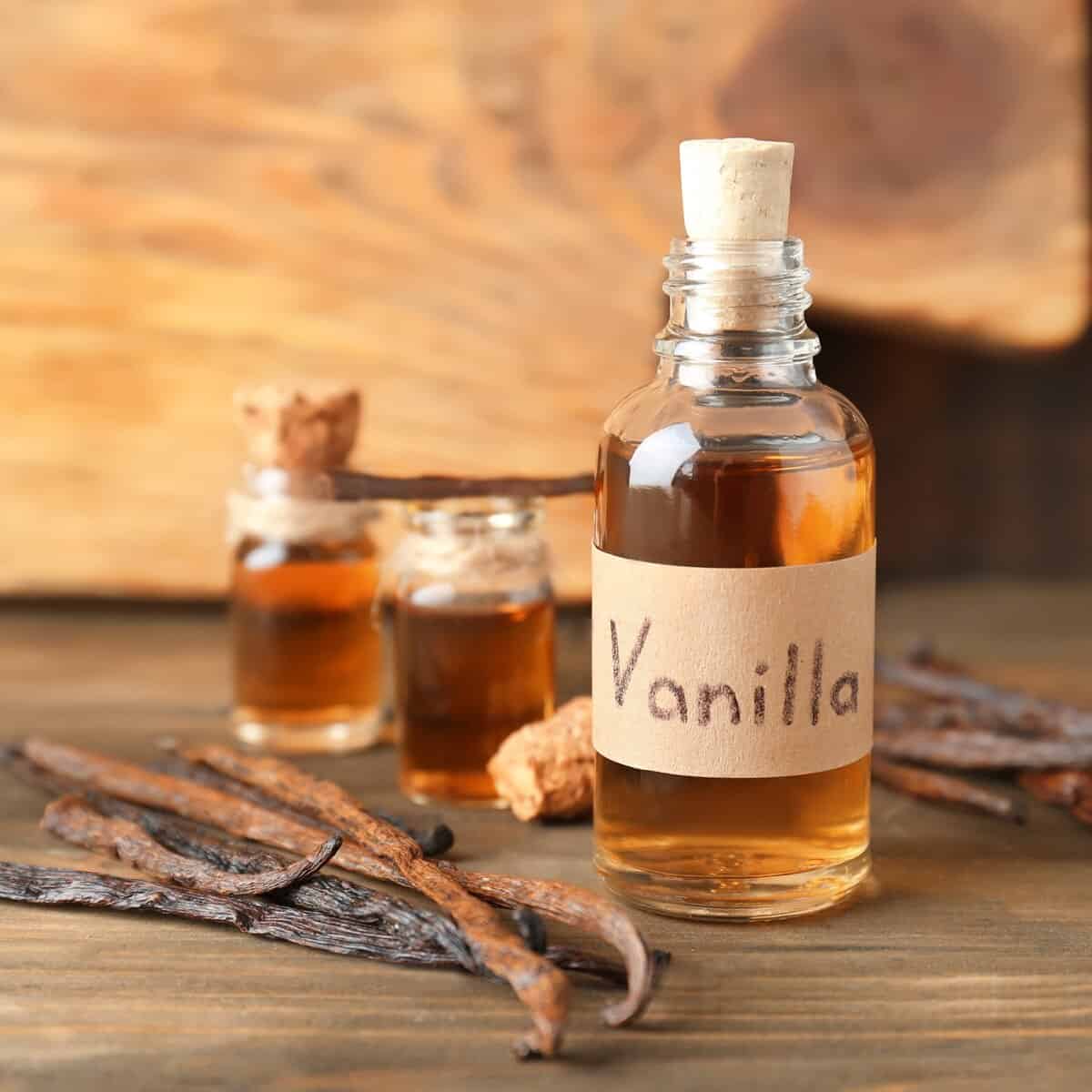
First up, the ol' reliable: vanilla extract. While it won't replicate that distinct almond flavor, it's a solid stand-in that lends a lovely depth and complexity to your baked goods. I've used it in a pinch for everything from cookies to cakes with great results. Just swap it in at a 1:1 ratio and you're golden.
Best for: Vanilla extract enriches baked goods, custards, and beverages with its warm sweetness and makes a good almond extract substitute for its mild flavor and ability to complement various recipes.
Also see: 9 Best Vanilla Extract Substitutes
2. Amaretto

For a boozy twist, give amaretto a shot as an almond extract replacement. This Italian liqueur, made from apricot kernels and bitter almonds, has a nutty, almond-like taste that works wonders in desserts.
When substituting for almond extract, consider using 4 to 8 times more almond-flavored liqueur to achieve the same potency. Be mindful to adjust other wet and dry ingredients in the recipe accordingly to maintain the desired consistency.
Best for: Amaretto, with its sweet almond flavor, is best for cocktails and desserts. It substitutes for almond extract by adding a rich, nutty depth to drinks, baked goods, and sauces, especially in cooked or baked recipes where the alcohol will evaporate, leaving behind a subtle nutty flavor.
Pro tip: Start with a little less than the recipe calls for and adjust to taste to avoid overpowering the other flavors.
Check out Deliciously Decadent: Top Amaretto Substitute Choices.
3. Almond Liqueur

Along the same lines, other almond-flavored liqueurs like Frangelico or orgeat syrup can do the trick. These pack a concentrated almond punch, so a little goes a long way. I like to use them in frostings or fillings for an extra layer of flavor. Just keep in mind they'll add a bit of moisture, so you may need to adjust your other ingredients accordingly.
Best for: This liqueur is ideal as an almond extract substitute for cocktails and desserts because of its sweet, nutty flavor, providing a similar taste while adding extra depth to drinks and baked goods.
Also read: Top Jim Beam Substitute: Bourbon Alternatives for Every Palate
4. Almond Paste
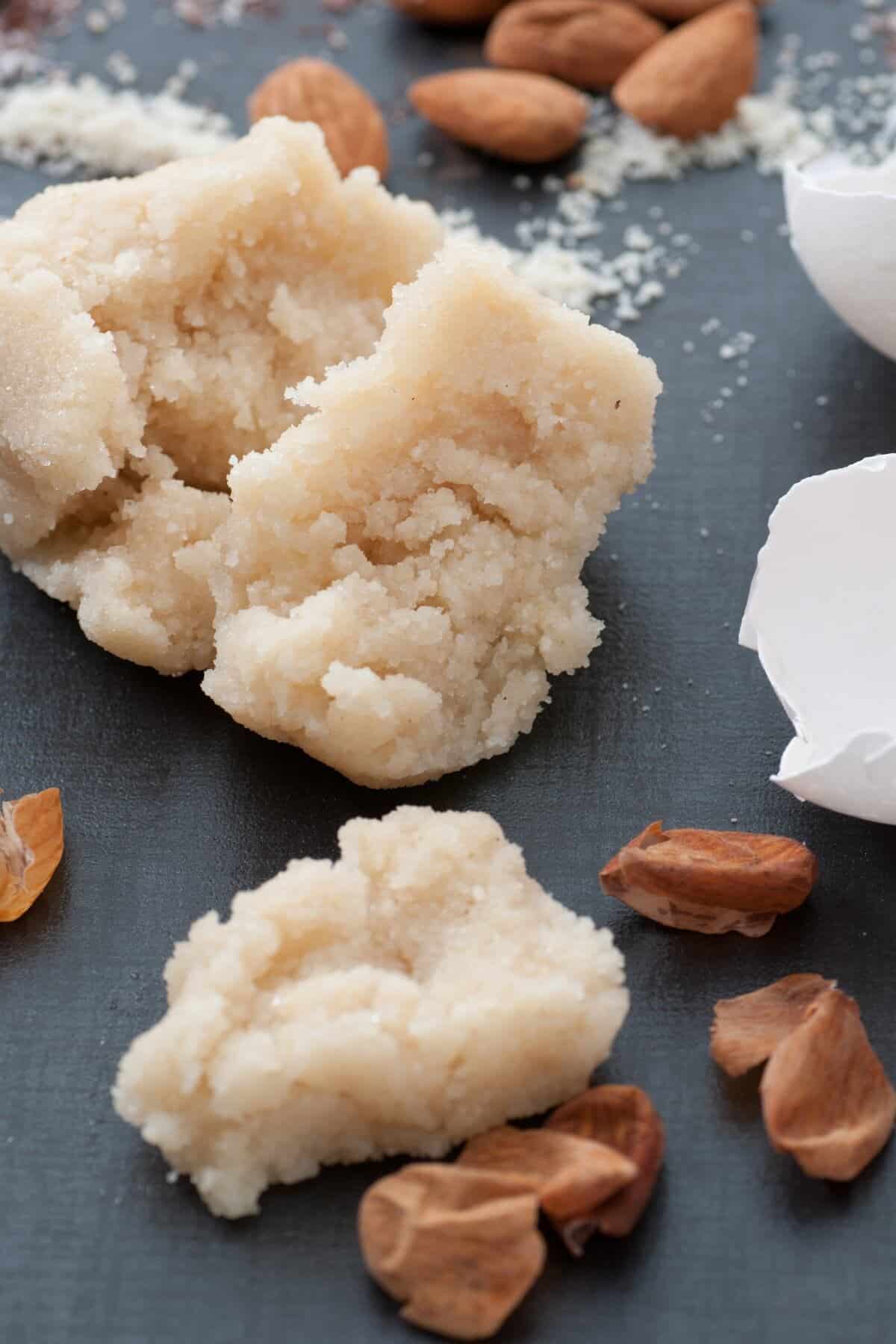
For a more intense almond taste, reach for almond paste. This mixture of ground almonds and sugar is a staple in many European desserts. It's thicker and more concentrated than extract, so you'll want to use about twice as much. I've had success using it in everything from macarons to frangipane tarts - the key is to really blend it well with your other ingredients to avoid any lumps.
Best for: Almond paste is perfect for pastries, macarons and fillings, and substitutes for almond extract by delivering a similar nutty flavor with added texture, enriching baked goods like cookies and tarts.
5. Almond Oil
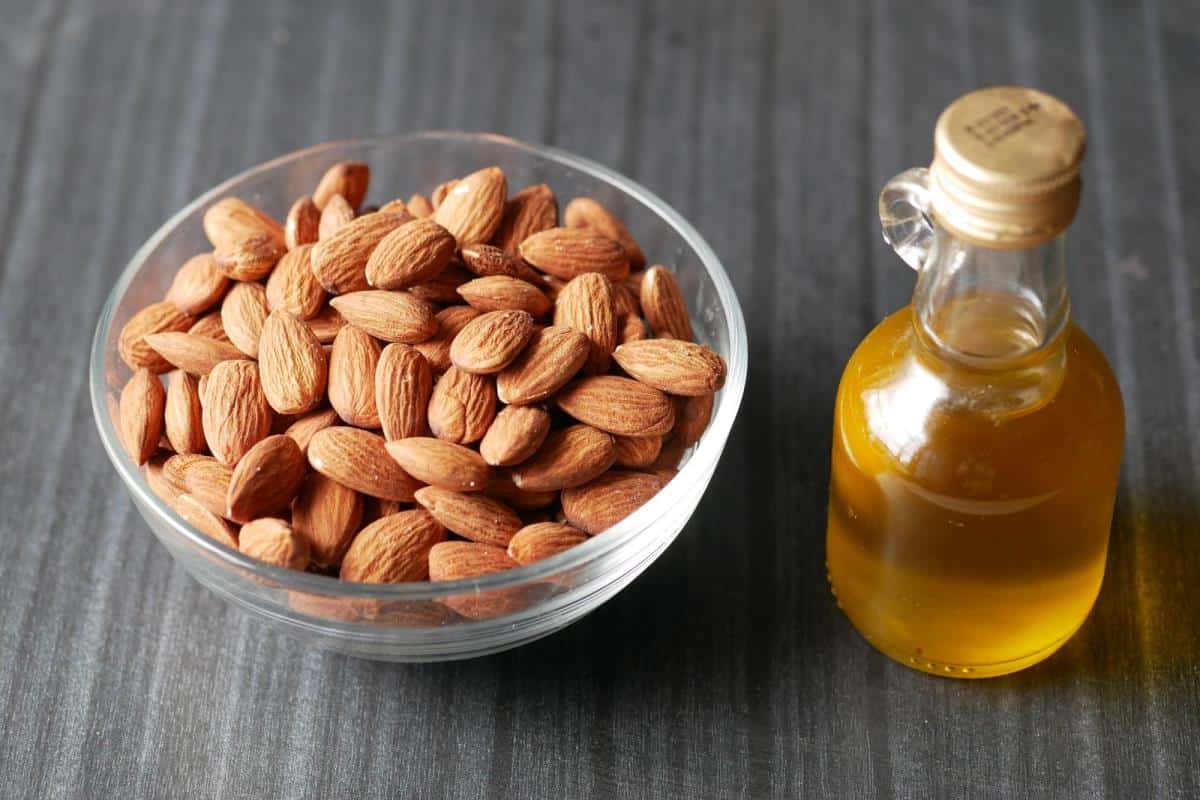
Pure almond oil is a great option for adding a subtle, nuanced almond flavor. A little goes a long way, so start with just a few drops and add more to taste. I love using it in delicate desserts like panna cotta or ice cream where I don't want the almond to overpower the other flavors. Just be sure you're using food-grade oil, not the stuff meant for skincare.
Best for: Almond oil substitutes almond extract with a mild, nutty flavor, offering a similar taste while adding a subtle richness to salad dressings and sauces.
6. Hazelnut Extract
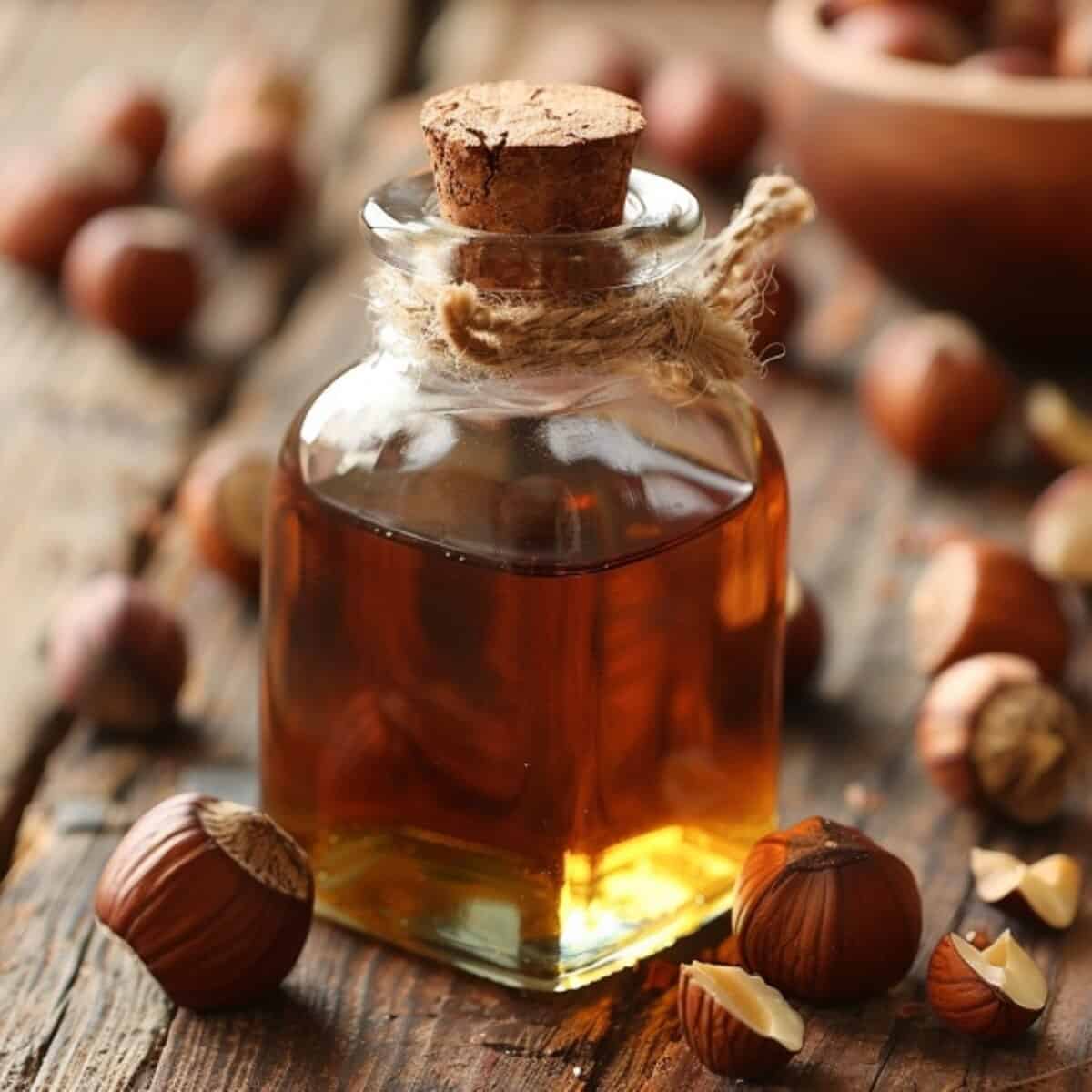
Offering a different nut flavor, hazelnut extract brings a toasty sweetness that complements coffee-based recipes and baked goods nicely.
Best for: Hazelnut extract is best for baked goods and coffee drinks and substitutes almond extract by providing a similarly nutty flavor, adding warm, toasty sweetness to baked goods such as cookies.
Tip: Walnut extract is another excellent substitute for almond extract, offering a nutty flavor that works well in baked goods. It can be used in a 1:1 ratio for substituting almond extract, adding depth and complexity to recipes.
7. Chocolate Extract
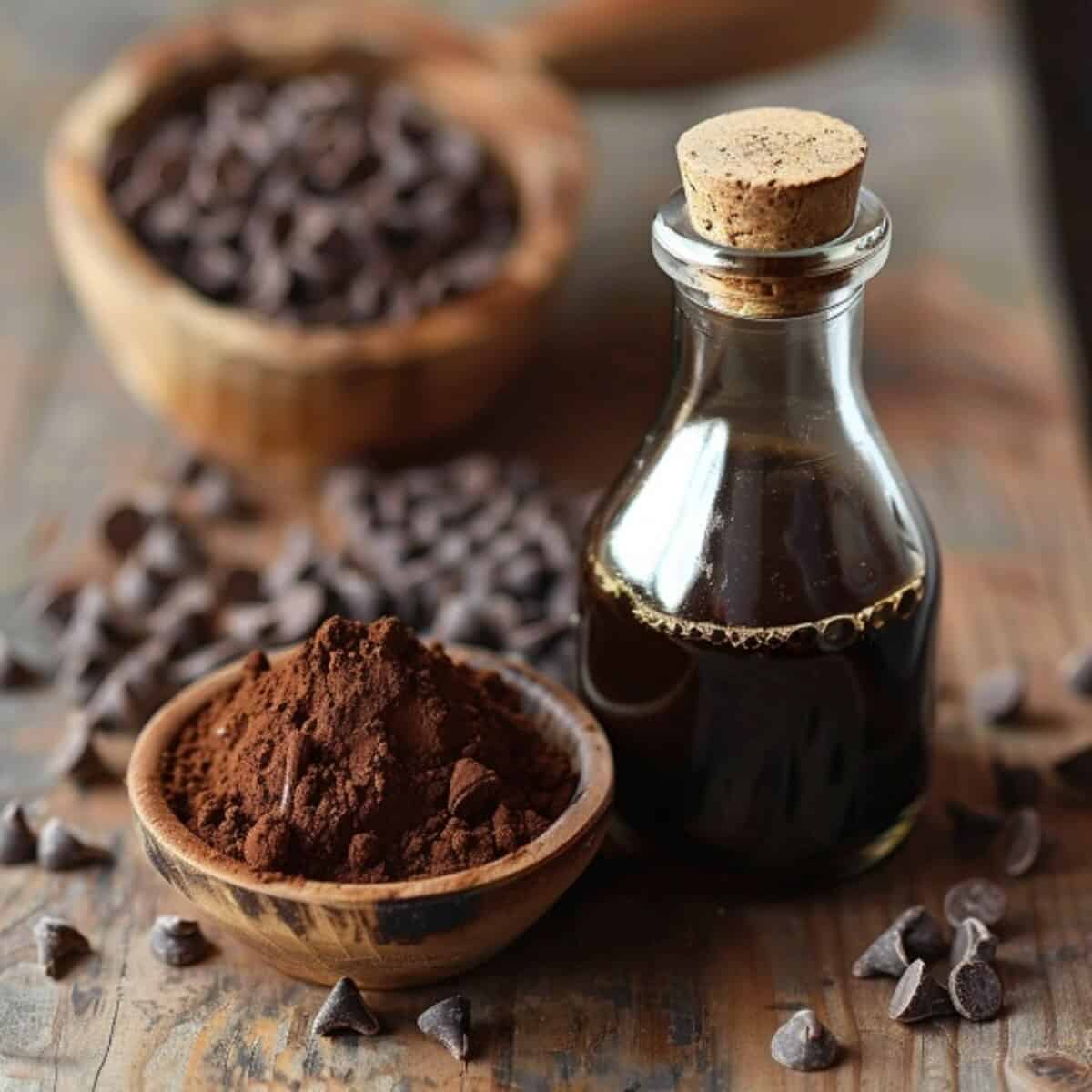
Perfect for enhancing baked items or drinks with cocoa undertones, chocolate extract brings a warm, smooth taste that adds complexity to various recipes.
Best for: Chocolate extract is a good substitute for almond extract for brownies and cookies. It adds rich cocoa notes, bringing out the chocolate flavor for a deeper, more decadent taste.
8. Cherry Liqueur

For a fruity and slightly tangy alternative, cherry liqueur introduces a distinctive flavor that pairs well with chocolate-based recipes or dark fruit tarts. Additionally, cherry juice and maraschino cherry juice can serve as non-alcoholic substitutes for almond extract, offering a similar flavor profile with subtle notes reminiscent of cherry pits and almonds.
When using cherry juice or maraschino cherry juice, it's important to adjust the ratios due to their weaker flavor and the potential for a light pink hue in the final product. Specifically, maraschino cherry juice, being sweeter and less potent, may require a higher volume to achieve the desired taste, while also imparting a different color and sweetness level to dishes, beverages, and baked goods.
Best for: Cherry liqueur, as well as cherry juice and maraschino cherry juice, make a good substitute for almond extract in fruit tarts and chocolate desserts. These alternatives add a sweet, fruity flavor that pairs well with cherries, enhancing the richness of these treats while offering a versatile option for both sweet and savory dishes.
Related: Easy Authentic Italian Tiramisu
9. Vanilla Bean Paste

Vanilla bean paste makes a suitable replacement for almond extract in baking recipes. Keep in mind, that you may see some dark flecks in your dessert if it is light in color. Again, you'll need more vanilla bean paste to replace almond extract. Substitute 2:1. 5.
Best for: Vanilla bean paste is best for ice cream and custards, and substitutes almond extract by providing a warm, sweet flavor, with visible vanilla seeds adding depth and an appealing visual touch.
How to Use Almond Extract Substitutes in Recipes
When looking for almond extract substitutes to replace almond extract in your recipes, it's crucial to consider both the flavor profiles and substitution ratios of potential alternatives.
Options like vanilla bean, mint extract, chocolate extract, diluted almond essential oil, almond-flavored liqueur (Amaretto), and almond milk can offer unique tastes and aromas that enhance your dishes in different ways.
Here are a few tips and tricks I’ve learned over the years for making sure your swaps are successful:
Adjusting Quantities
As I mentioned earlier, some substitutes like almond past, almond-flavored liqueur, or oil are much more concentrated than extract. That means you'll need to use more of them to achieve the same level of flavor as almond extract substitutes.
My general rule of thumb is to start with twice as much paste or a few drops of oil and adjust from there. It's always easier to add more than to try to correct an overpowering almond profile later on.
Considering Flavor Profiles
When choosing an almond extract substitute, it's important to consider how it will play with the other flavors in your recipe. Vanilla extract is a safe bet for most desserts, but it can get lost in more complex flavor profiles.
Amaretto or almond-flavored liqueur can add a nice depth to chocolate or coffee-based recipes, while almond paste or oil works well with fruit flavors like cherry or apricot. The key is to choose an almond extract substitute that will complement, not compete with, the other ingredients in your dish.
Almond Extract vs. Vanilla Extract: Key Differences

Almond extract and vanilla extract - two flavors that can make or break a recipe. But what's the real deal with these two? Almond extract packs a punch with its intense, nutty flavor that comes from bitter almonds or apricot kernels. It's like a concentrated dose of marzipan in liquid form.
On the flip side, vanilla extract is made from vanilla beans soaked in alcohol, resulting in a mellow, sweet taste that's a staple in most baked goods. While both can add depth and complexity to your recipes, they're far from interchangeable.
Trust me, I've learned the hard way. One time, I accidentally used almond extract instead of vanilla in a batch of cupcakes. Let's just say they tasted like a mouthful of perfume - not exactly the vibe I was going for.
So, when should you use each one? Almond extract shines in recipes that benefit from a nutty, slightly bitter flavor, like cherry pie or almond cookies. Vanilla extract is a go-to for most sweet treats, from cakes to ice cream. If you're out of one or the other, you can swap them in a pinch but use caution.
Almond extract is much more potent than vanilla, so start with half the amount called for and adjust to taste. And keep in mind that using almond extract as a vanilla extract substitute will change the flavor profile of your dish.
The Scoop on Imitation Extracts
Imitation almond extract is made with synthetic benzaldehyde, which mimics the flavor of bitter almonds.
It's cheaper than the real deal and can be a lifesaver for those with nut allergies. The same goes for imitation vanilla extract, which uses artificial vanillin instead of vanilla beans. While purists may turn up their noses at these rich almond substitutes, I'm here to tell you that they can work just fine in most recipes.
Almond Extract Substitutes for Nut Allergies
As someone with a friend with a severe nut allergy, I know firsthand how tricky it can be to navigate the world of baking extracts. I did some digging and discovered that not all natural almond extract is created equal. Imitation almond extract is a great sub when baking for someone with an almond allergy.
Turns out, some brands use apricot or peach pits instead of almonds to make their own almond extract. And while these stone fruits are related to almonds, they don’t pose the same allergic threat as pure almond extract.
Of course, if you have a severe allergy, it’s always best to err on the side of caution and check with your doctor before trying any new ingredients.
But for those who can tolerate it, imitation almond extract can be a game-changer. Made with synthetic benzaldehyde instead of nuts, it mimics the flavor of almond extract without the risk of an allergic reaction.
Additionally, for those looking to avoid commercial extracts altogether, you can make your own almond extract at home using apricot or peach pits, which are safe alternatives for those with nut allergies.
This homemade almond extract version ensures you know exactly what's going into your extract, providing peace of mind and a delicious, nut-free flavoring option for your baking needs.
Other Nut-Free Flavor Boosters
If you're steering clear of almond extract altogether, fear not - there are plenty of other ways to substitute for almond extract and add depth and complexity to your baked goods.
Orange zest, cinnamon, or even a splash of bourbon can add unexpected flavor notes that will have your taste buds singing. And if you're really missing that nutty flavor, try using nut-free ingredients like sesame seeds, sunflower seeds, or pumpkin seeds. Toasting them before adding them to your recipe can help intensify their flavor.
Almond Extract FAQ's
To mimic almond extract flavor without nuts, consider using non-nut extracts like vanilla or cinnamon, or use almond-flavored liqueurs made without nuts, ensuring they're allergy-friendly.
Almond paste can work as a substitute for almond extract in recipes needing a strong almond flavor. However, due to its thick consistency, it's best for pastries and baked goods where texture isn't a concern.
Since almond flavoring is less concentrated than almond extract, use about twice the amount of almond flavoring as a substitute for almond extract called for in the recipe. Adjust the quantity based on your desired flavor and alcohol tolerance.
Almond essence is often an artificial substitute, whereas almond extract is natural. They can be used interchangeably, but almond essence as a substitute for almond extract may have a more artificial flavor than almond extract.
Conclusion
There you have it, my friend. Almond extract substitutes that'll make you wonder why you ever worried about running out. From the classic vanilla swap to the unexpected orange zest twist as a substitute for almond extract, your baking game just leveled up.
Running out of almond extract doesn't have to put a damper on your baking plans. With a variety of almond extract substitutes available, you can easily find a flavor that complements your recipe. Who knows, you might stumble upon a delightful new rich almond flavor combination that becomes a family favorite. Embrace the opportunity to try the above and enjoy the delicious results!

Almond Extract Substitute
Ingredients
Vanilla Extract:
- Replace almond extract in a 1:1 ratio (e.g., 1 teaspoon almond extract = 1 teaspoon vanilla extract).
Amaretto:
- Replace almond extract in a 2:1 ratio (e.g., 1 teaspoon almond extract = 2 teaspoon amaretto).
Almond-Flavored Syrup:
- Replace almond extract in a 1:1 ratio (e.g., 1 teaspoon almond extract = 1 teaspoon syrup).
Instructions
- Measure: Choose your substitute and measure the correct amount according to the ratios above.
- Adjust to Taste: Add a little extra if a stronger flavor is desired, especially with vanilla or syrup.
- Incorporate: Mix into your recipe as you would with almond extract, ensuring even distribution for balanced flavor.
Notes
- Vanilla extract is the mildest substitute as a substitute for almond extract.
- Amaretto adds sweetness and alcohol content.
- Almond-flavored syrup enhances sweetness without adding alcohol.



Leave a Reply