

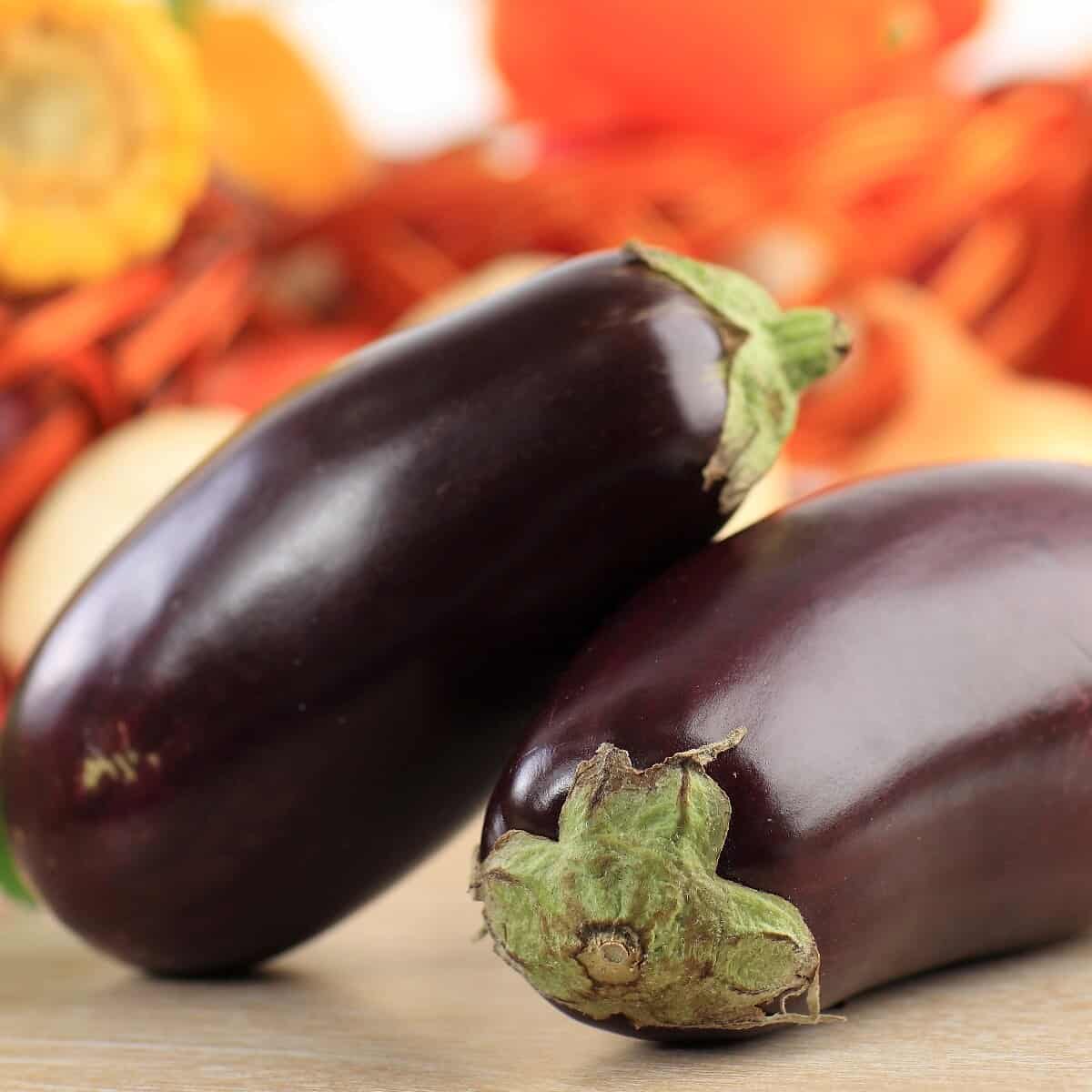
Finding the perfect eggplant substitute can be a little like trying to replace your favorite pair of comfy slippers – nothing's ever quite the same, right? But sometimes, those slippers are MIA, and we need a decent stand-in, fast.
The same goes for eggplant. Maybe you're at the grocery store, and it's nowhere to be found. Or maybe eggplant is a no-go on your current diet. Did you know sweet potatoes can do the trick? Perhaps you are looking for a less starchy alternative. Whatever the case, having a go-to eggplant substitute in your pantry can be a real dinner-saver.
Jump to:
What Is Eggplant and Where Does It Come From?
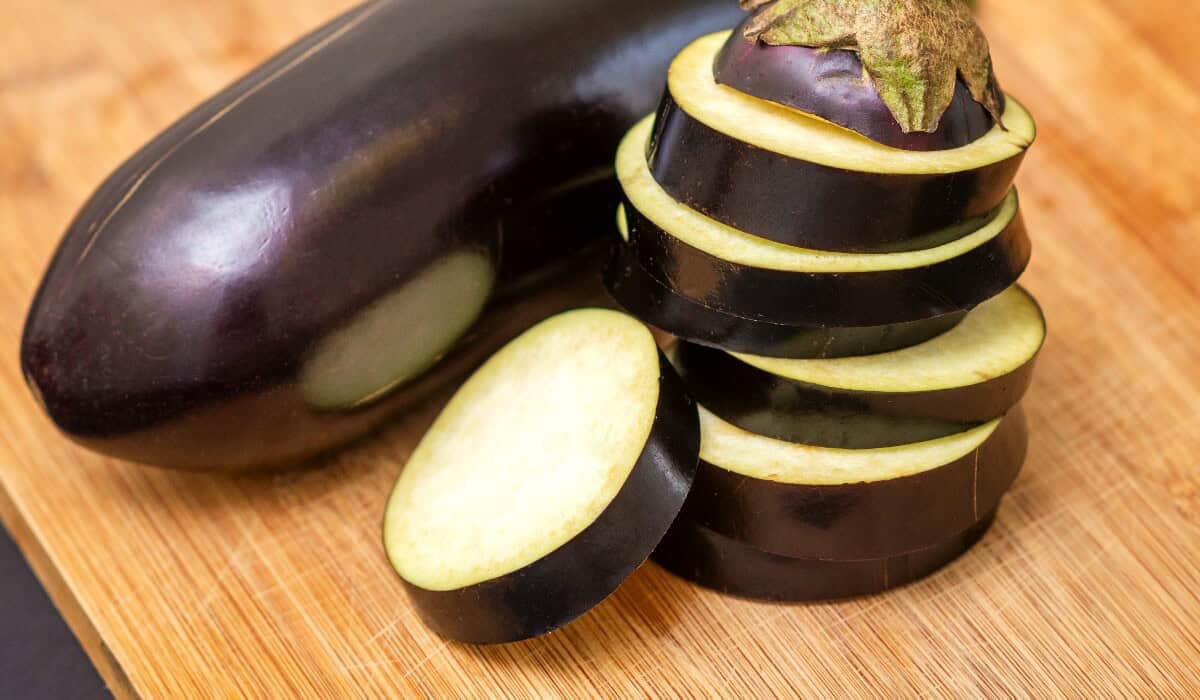
Eggplant, also known as aubergine in British English, is a glossy, purple vegetable that belongs to the nightshade family, Solanaceae, which also includes tomatoes, potatoes, and peppers. Scientifically known as Solanum melongena, eggplant is characterized by its large, spongy texture and slightly bitter taste.
The vegetable can vary in size and shape, ranging from small, round varieties to large, elongated ones, and while purple is the most common color, eggplants can also be white, green, or even striped. Thai eggplant, for example, is smaller, more bitter, and firmer compared to Chinese, Japanese, and globe eggplants.
Why Finding Good Eggplant Substitutes Can Be Tricky
Eggplant is kind of a culinary chameleon. It has this amazing ability to soak up flavors like nobody’s business and adds a meaty, satisfying texture to dishes. It can be fried, roasted, or even mashed, bringing a mild, earthy taste and rich flavor that doesn’t overpower other ingredients. Not every veggie can boast that resume.
Sometimes a recipe calls for a specific eggplant variety like Chinese eggplant. Other times, the substitution relies on the unique cooking method you’re using. By understanding which eggplant alternatives shine in specific scenarios, you’ll nail those dishes every
Also, try making: Breaded Eggplant In Air Fryer
Popular Eggplant Alternatives and How to Use Them
Here are several of the most popular eggplant substitutes and the very best ways to incorporate them into your food creations:
1. Portobello Mushrooms
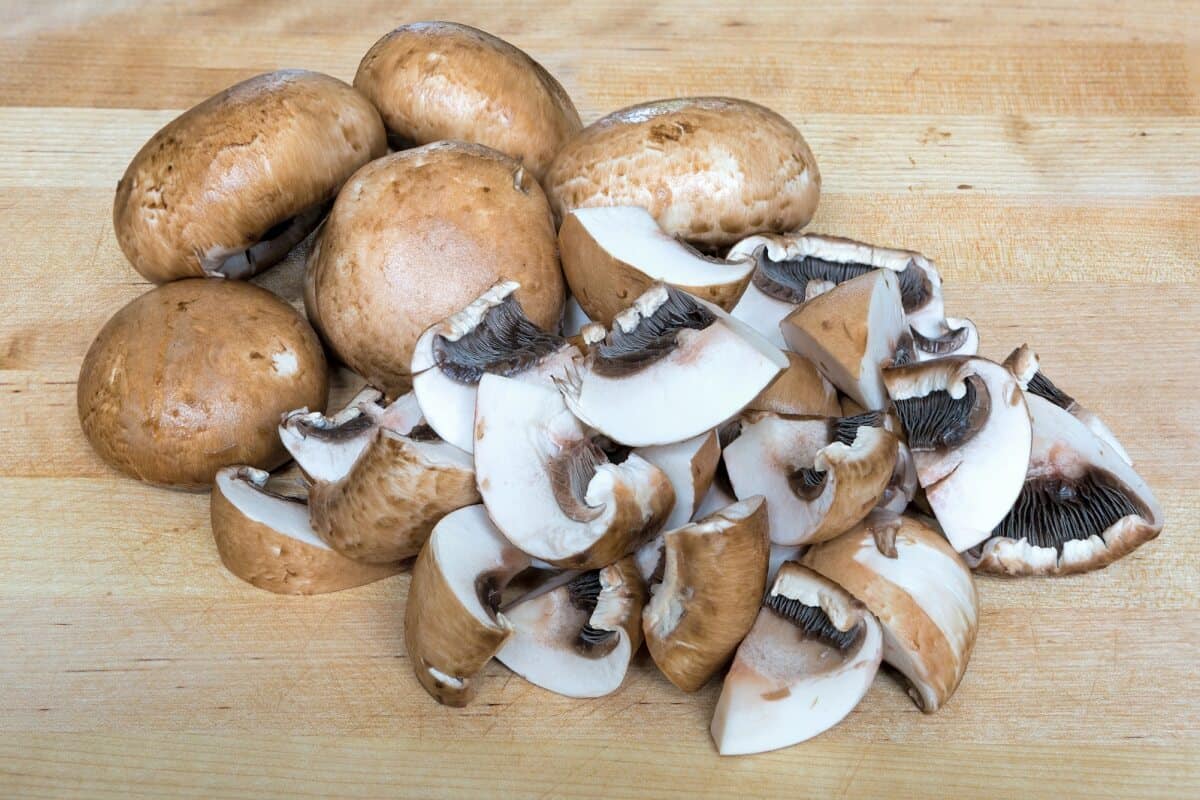
Just like eggplants, these big, beautiful mushrooms are famous for their ability to absorb the flavors of sauces and spices. This is partly thanks to their meaty texture – firm and almost like... well, eggplant.
If you're making a dish that really leans into that satisfying "bite," like eggplant parmesan or a hearty vegetarian lasagna, portobellos are a stellar choice. Plus, did I mention they're delicious? Portobellos also lend themselves really well to grilling, which is great news if you're craving a smoky, charred element in your food.
Remember how we talked about eggplant being like a sponge for flavor? That goes double when grilled, and portobellos act the same way. Brush them with a little olive oil, sprinkle on some salt and pepper, and throw them on the barbecue.
You can generally substitute these mushrooms for eggplant in a 1:1 ratio.
Best for: Portobello mushrooms make an excellent eggplant substitute due to their meaty texture and earthy flavor and work particularly well in grilled dishes like eggplant parmesan, baba ganoush, and grilled vegetable skewers.
Related: What To Substitute for Mushrooms
2. Zucchini and Yellow Squash
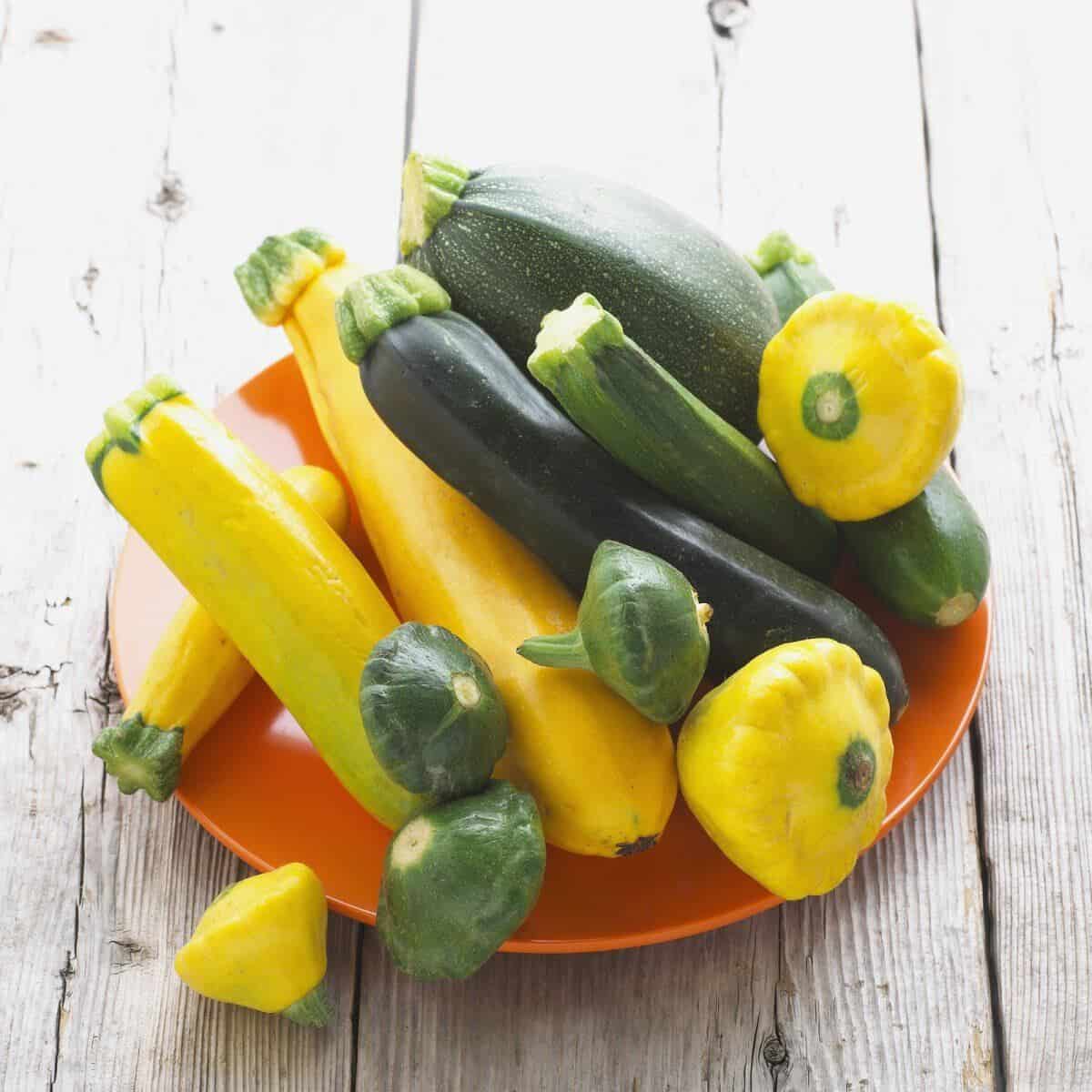
If portobellos are eggplant's robust, savory cousins, then zucchini and yellow squash are its milder, more delicate siblings. But don't let their subtlety fool you - these summer squashes are a powerhouse of flavor and can absolutely hold their own as an eggplant substitute.
One of the biggest wins for these guys? They work beautifully in so many recipes. This is especially helpful if you're sensitive to certain flavors or have picky eaters to please. I’ve even found they caramelize beautifully, just like eggplant does.
Zucchini and yellow squash both bring that satisfying tenderness you want from an eggplant substitute. You can grill them, roast them, fry them, stuff them... you name it. Plus, their relatively neutral flavor profile makes them a perfect blank canvas for whatever spices you’re feeling.
Zucchinis are a pretty straight swap for eggplant – usually a 1:1 ratio does the trick. However, because yellow squash can release more moisture during cooking, you might want to start with slightly less and add more as needed.
Best for: Zucchini and yellow squash make fantastic eggplant substitutes due to their mild flavor and tender texture, and they work well in ratatouille, moussaka, vegetable fritters, and pasta primavera.
Related: Zucchini Substitute: Tasty Stand-Ins to Spice Up Your Cooking!
3. Sweet Potatoes

Sweet potatoes. Yes. This one might seem a little left-field at first, and it is, admittedly, a less common swap. Sweet potatoes won’t behave exactly like an eggplant substitute. They’re naturally sweet and far starchier.
But trust me on this, because that sweetness can bring a delicious twist to dishes that usually call for eggplant. And their vibrant orange color instantly makes any dish more visually appealing.
It depends on the dish. When substituting sweet potatoes for eggplant, keep the sweetness level of the dish in mind. You'll want to consider reducing any additional sugars. For savory dishes, go for a 1:1 ratio.
But for something sweeter, start with a bit less. For example, if a recipe requires two cups of chopped eggplant, begin with one and a half cups of chopped sweet potato.
Best for: Sweet potatoes, with their natural sweetness and creamy texture, make a great substitute for eggplant and are particularly effective in casseroles, curries, stews, and roasted vegetable medleys.
4. Bell Peppers
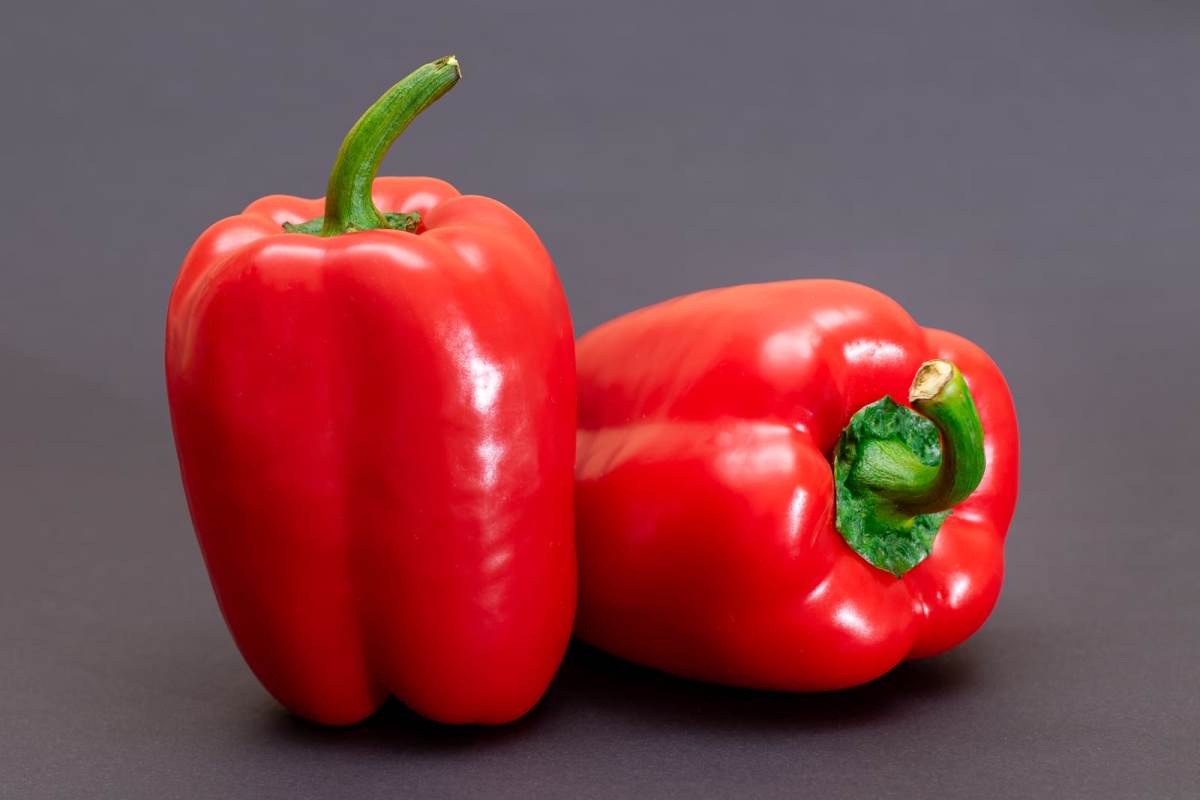
Bell peppers, also known as sweet peppers, have a crisp texture and a sweet, slightly tangy flavor that varies depending on their color.
Red, yellow, and orange bell peppers are sweeter and milder, while green bell peppers have a more vegetal, slightly bitter taste. Their firm, crunchy texture contrasts with the spongy and tender texture of eggplant when cooked.
When substituting bell peppers for eggplant, the ratio can be 1:1 in most recipes, though the final dish will have a different flavor profile due to the sweetness of the peppers.
Best for: Bell peppers work well as a replacement for eggplant in dishes where the texture difference won't dramatically alter the outcome, such as in stir-fries, casseroles, pasta dishes, and ratatouille.
Try this recipe: Air Fryer Sweet Potato Chips Recipe
5. Tofu
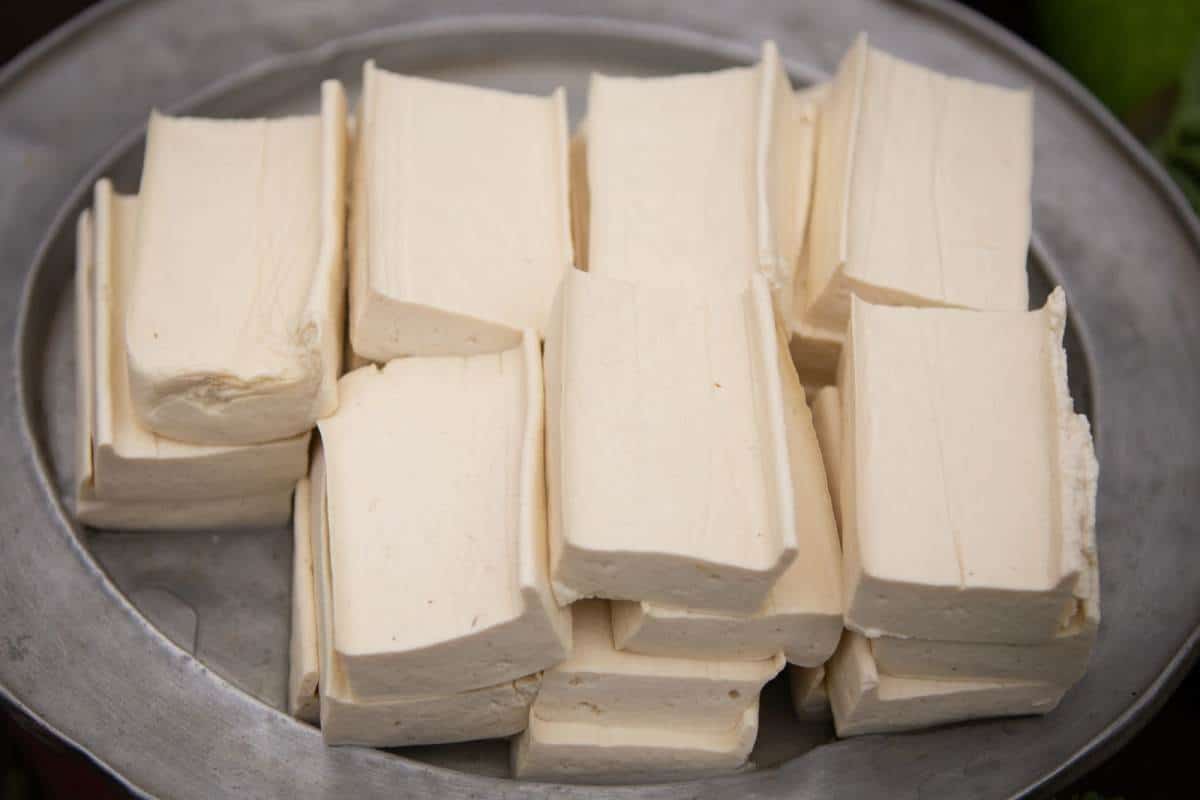
Tofu, also known as bean curd, is a versatile plant-based protein made from soybeans. It has a mild, slightly nutty flavor and a soft, spongy texture that absorbs the flavors of the ingredients it’s cooked with.
Tofu comes in various forms, including silken, soft, firm, and extra-firm, each with different textures suitable for a wide range of dishes.
When substituting tofu for eggplant, the ratio can be 1:1, but it's essential to consider the dish's texture and flavor requirements. The key difference is that tofu will absorb more of the surrounding flavors and offer a protein boost, making it an excellent choice for vegetarian or vegan adaptations of eggplant-based dishes.
Best for: Tofu works well as a substitute for eggplant in recipes where you want to maintain a soft, tender texture, such as in stir-fries, curries, or casseroles.
6. Summer squash
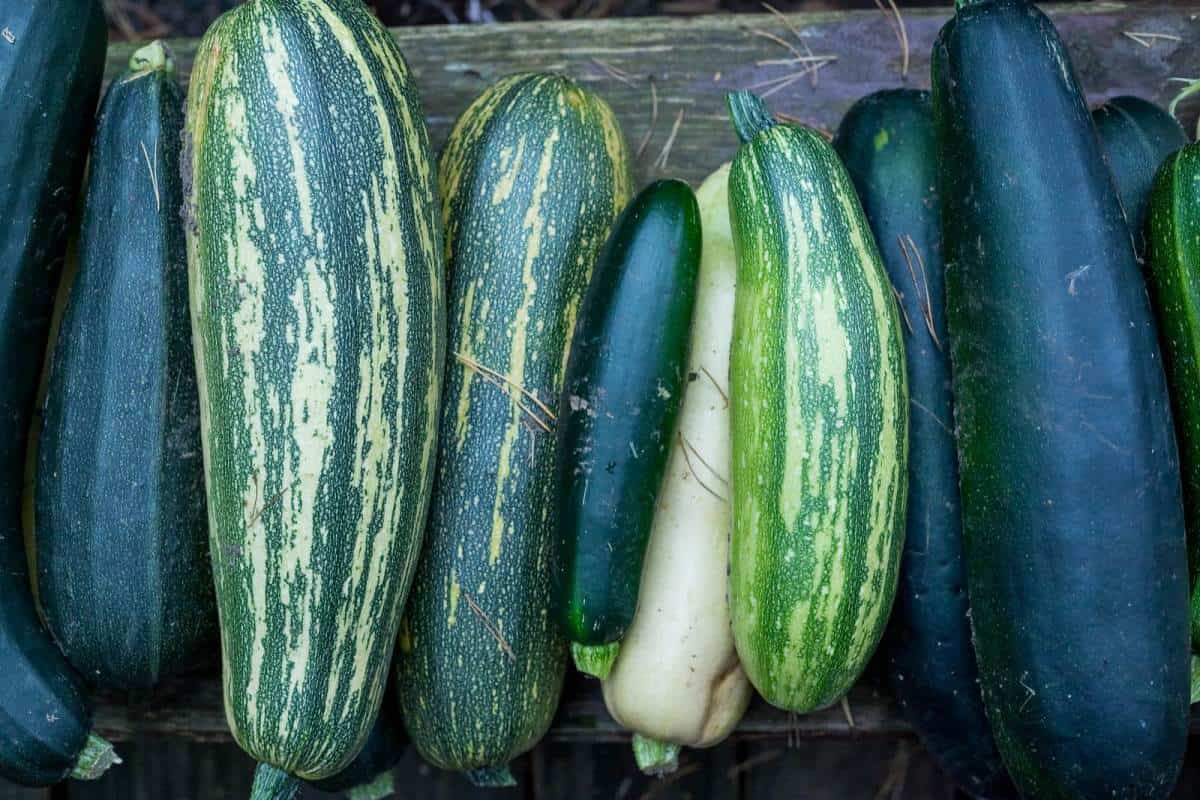
Summer squash, including varieties like zucchini and yellow squash, is a mild-flavored vegetable with a slightly sweet and tender texture. Unlike the spongy and dense texture of eggplant, this squash is softer and more delicate, especially when cooked.
It has a subtle taste that pairs well with a variety of ingredients, making it a versatile substitute in many dishes.
When using this substitute for eggplant, you can generally use a 1:1 ratio. However, because of a higher water content, you may need to adjust cooking times to prevent the dish from becoming too watery. It's a good idea to lightly salt the squash and let it drain for a few minutes before cooking to remove excess moisture.
Best for: Summer squash works particularly well as a substitute for eggplant in recipes like ratatouille, grilled vegetable dishes, or stir-fries where the vegetables are layered and baked together.
7. Globe Eggplants: Your Secret Weapon is More Eggplant
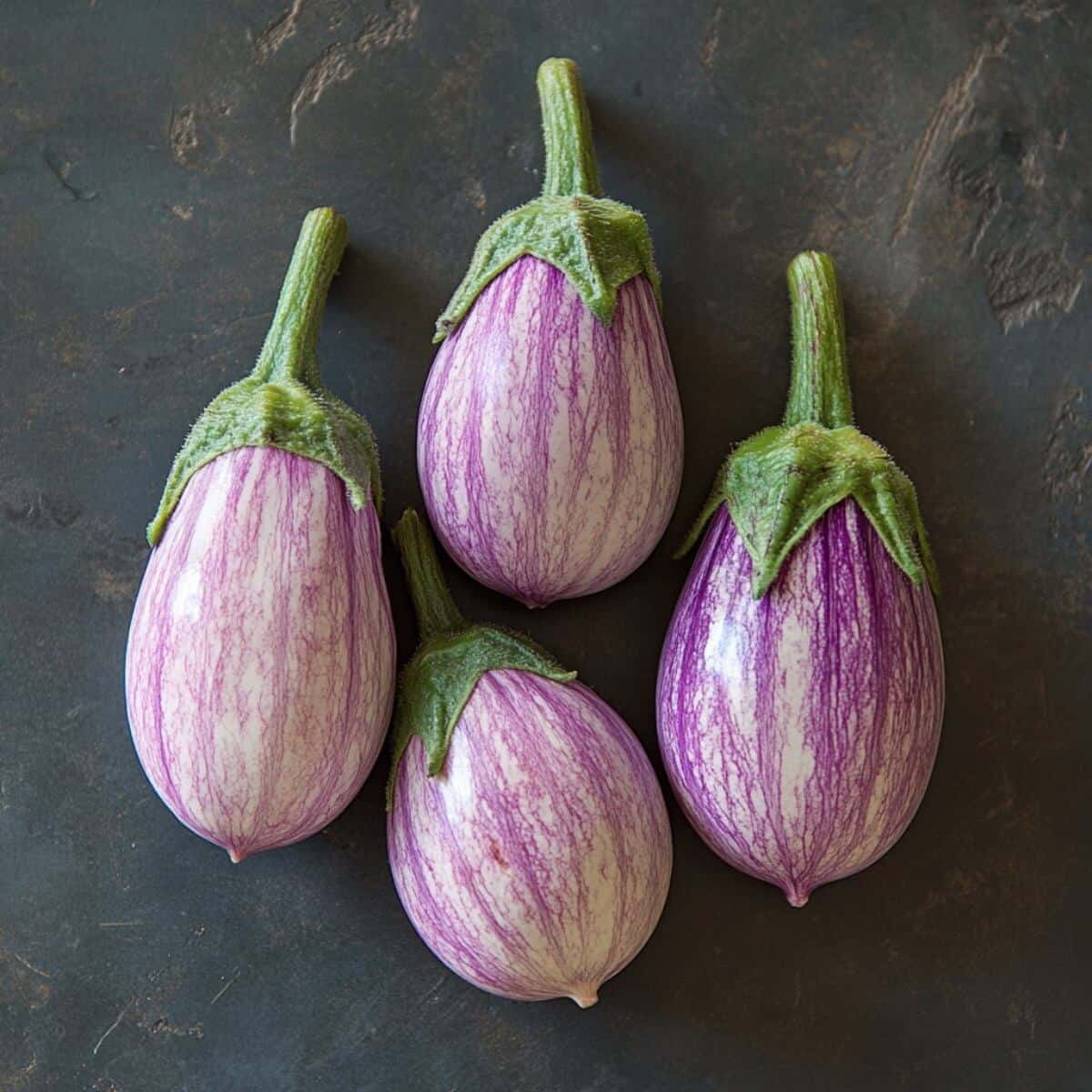
Before you say, "Wait a minute – that’s cheating." hear me out. Sometimes the best eggplant substitute is, well, a different kind of eggplant. The variety we see most often in supermarkets is the globe eggplant (those large, bulbous guys with deep purple skin).
The thing is, there’s a whole world of eggplant varieties out there, and each offers a unique texture. I’ve seen long, slender Japanese eggplants; small, delicate Italian eggplants, gorgeous striped or pale white varieties, and even teeny, tiny Thai eggplants. Each of them brings something unique to the party.
Because they are still eggplants, most varieties can be swapped 1:1. Keep in mind that some have a milder, sweeter flavor while others are slightly bitter. Be sure to taste-test your creations and adjust spices if needed.
Best for: Globe eggplants, with their large size and meaty texture, is ideal as a stand-in for eggplants for dishes requiring thick slices or hearty portions, such as grilling, roasting, stir-frying, or making eggplant parmesan.
Note: Chinese eggplants are what I usually use in my recipes, but there are also white eggplant options, Chinese eggplants, and more!
Pro Tip: When using substitutes, you can prepare them similarly to eggplant slices for various recipes like lasagna and moussaka.
For more substitutions, see here: Best Recipe Substitutions - How to Substitute a Missing Ingredient
FAQs
Most veggies are pretty low-carb already. For a dish like eggplant parmesan where you’d typically bread and fry eggplant, consider swapping for portobello mushroom caps (no breading needed) or sliced zucchini or yellow squash. You can bread these veggies with almond flour or crushed pork rinds instead.
Roasted bell peppers or portobello mushrooms can be used as substitutes in baba ganoush, providing a smoky flavor and soft texture.
Portobello mushrooms have a similar texture and earthy flavor, making them ideal for replacing eggplant in grilled or baked dishes.
Conclusion
Just like you can probably tell a good pair of knock-off slippers from a mile away, your taste buds will know when something’s not quite eggplant. But the beauty is, some pretty amazing vegetables can create those eggplant vibes in your food – the key is knowing what you're looking for.
With this guide above, you can see the variety of substitutes and what they have to offer in specific dishes. Happy cooking!



Recipe

Eggplant Substitute
Ingredients
- 1 medium zucchini (about 1 cup, chopped)
- 2 cups portobello mushrooms (about 1 cup, sliced)
- 1 cup peeled and cubed butternut squash
- 1 medium sweet potatoes, peeled and cubed
Instructions
Ratios:
- Zucchini: 1 cup diced = 1 cup diced eggplant
- Portobello Mushrooms: 1 cup sliced = 1 cup sliced eggplant
- Butternut Squash: 1 cup cubed = 1 cup cubed eggplant
- Sweet Potatoes: 1 medium = 1 medium eggplant
Prepare the Substitute:
- Zucchini: Slice or dice and season as desired.
- Portobello Mushrooms: Clean and slice; season or marinate as desired.
- Butternut Squash: Peel, seed, and cube; season and roast or sauté.
- Sweet Potatoes: Peel and cube; season and roast or sauté.
Cooking:
- Zucchini: Sauté in a pan with a bit of olive oil over medium heat for 5-7 minutes until tender.
- Portobello Mushrooms: Sauté in a pan with a bit of olive oil over medium heat for 5-7 minutes until tender.
- Butternut Squash: Roast in a preheated oven at 400°F (200°C) for 20-25 minutes or until tender.
- Sweet Potatoes: Roast in a preheated oven at 400°F (200°C) for 20-25 minutes or until tender.
Use in Recipes:
- Substitute the chosen ingredient for eggplant in recipes such as casseroles, stir-fries, or grilled dishes.
Notes
You can find the video in the post above. If you don't see a video, please check your browser settings.
Leave a Reply