

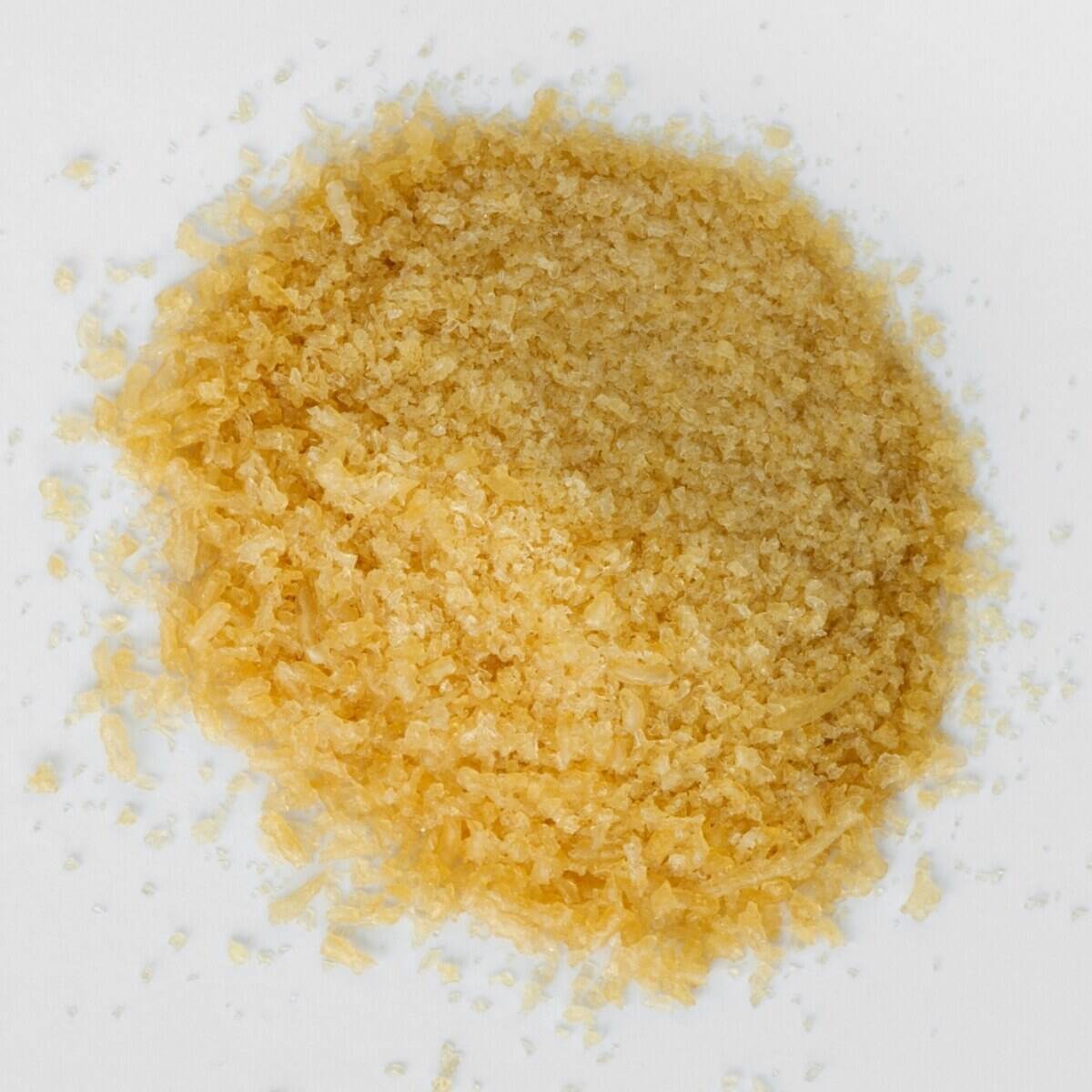
Ever wondered how to make your favorite desserts without using animal-based gelatin? You're not alone. Many people are searching for a good gelatin substitute, whether for dietary restrictions, ethical reasons, or simply to explore new ingredients.
What if I told you there are plant-based alternatives that can give you similar results? For instance, did you know that xanthan gum is a popular choice as a replacement? Read on for more swaps you can use easily!
Jump to:
Understanding Gelatin and Its Substitutes
Before we look at the alternatives, it's important to understand what gelatin is and why we might want to replace it. Gelatin is a protein obtained from animal collagen, typically from cows or pigs. It's used as a gelling agent in foods, giving structure to dishes like jellies, mousses, and gummy candies. Did you know that bloom gelatin can be measured by its bloom strength?
However, there are several reasons why you might want to use a gelatin substitute. Fortunately, there are numerous plant-based and synthetic alternatives that can mimic gelatin's properties.
Top Gelatin Substitute Ideas and Their Uses
1. Agar Agar
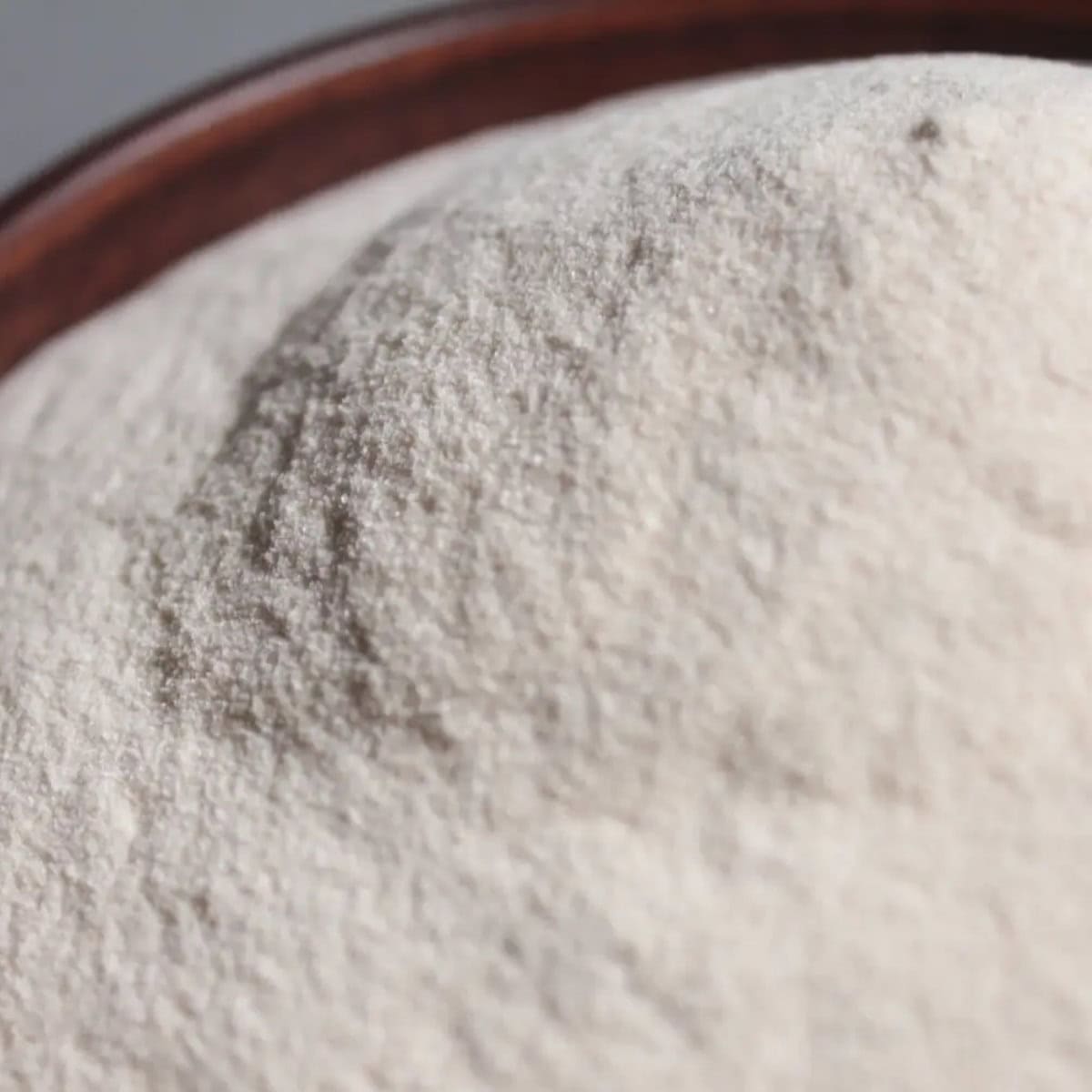
Agar agar, derived from red algae, is perhaps the most well-known gelatin alternative. It's an ingredient that can replace gelatin in many recipes, offering a firm, clear gel. You can often find agar agar flakes in health food stores.
Use 1 teaspoon of agar powder for every 1 cup liquid. Simply dissolve it in hot liquid and let it simmer for a few minutes to activate its gelling properties. Then, incorporate it into your recipe as you would gelatin. Remember that bloom strength gelatin affects how firmly it sets.
Best for: Agar agar works as a substitute for gelatin in recipes like panna cotta, fruit jellies, and vegan "jello" desserts.
Also see: Top Agar Agar Substitute Options for Perfect Desserts
2. Carrageenan
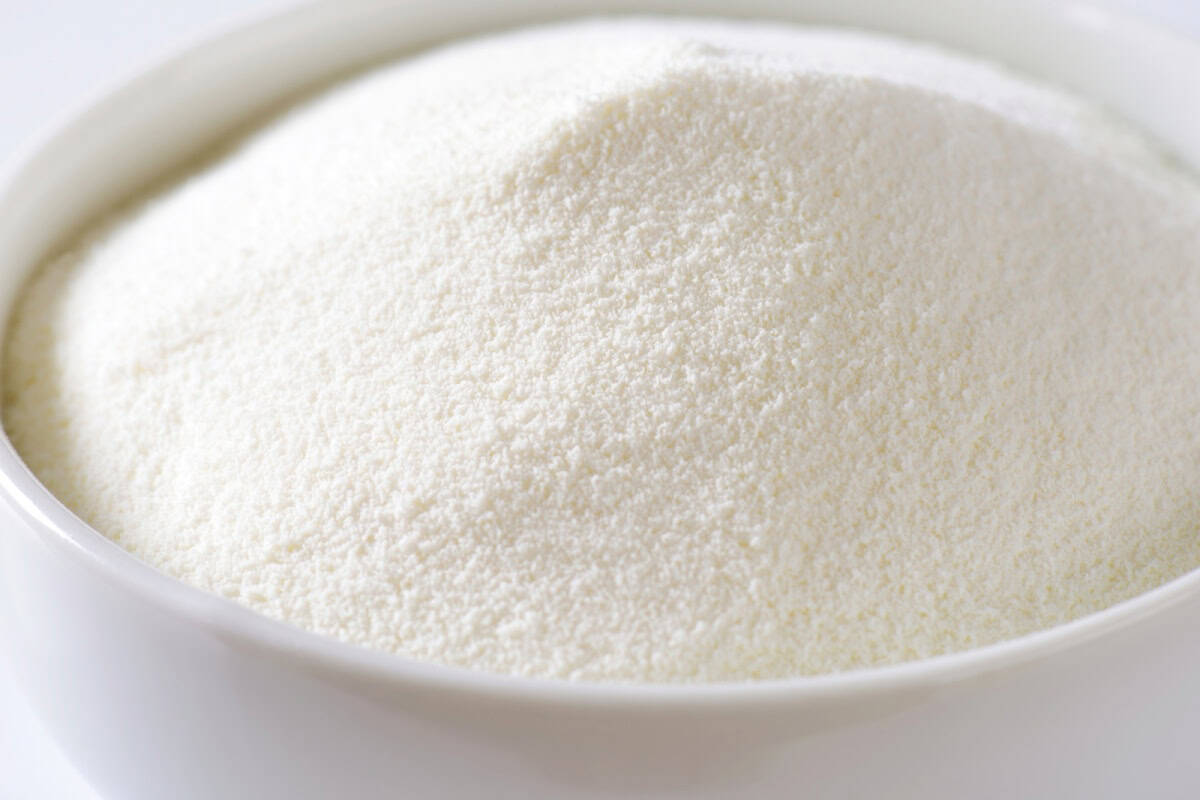
Carrageenan, another seaweed-derived food ingredient, is a popular gelatin alternative in the food industry. It's known for its ability to create a range of textures, from soft gels to firm gels. It can also be used as a thickening agent.
Carrageenan has some unique properties that makes it a bit different from other gelatin substitutes. According to a comparison of gelling agents, carrageenan exhibits shear thinning properties, unlike gelatin or agar agar. This means it becomes less viscous when under stress, which can be beneficial in certain applications. Use 1.5% to 2% carrageenan by weight of the total recipe.
Best for: Carrageenan can be used as a substitute for gelatin in dairy-free milk alternatives, ice creams, and soft gels.
3. Pectin
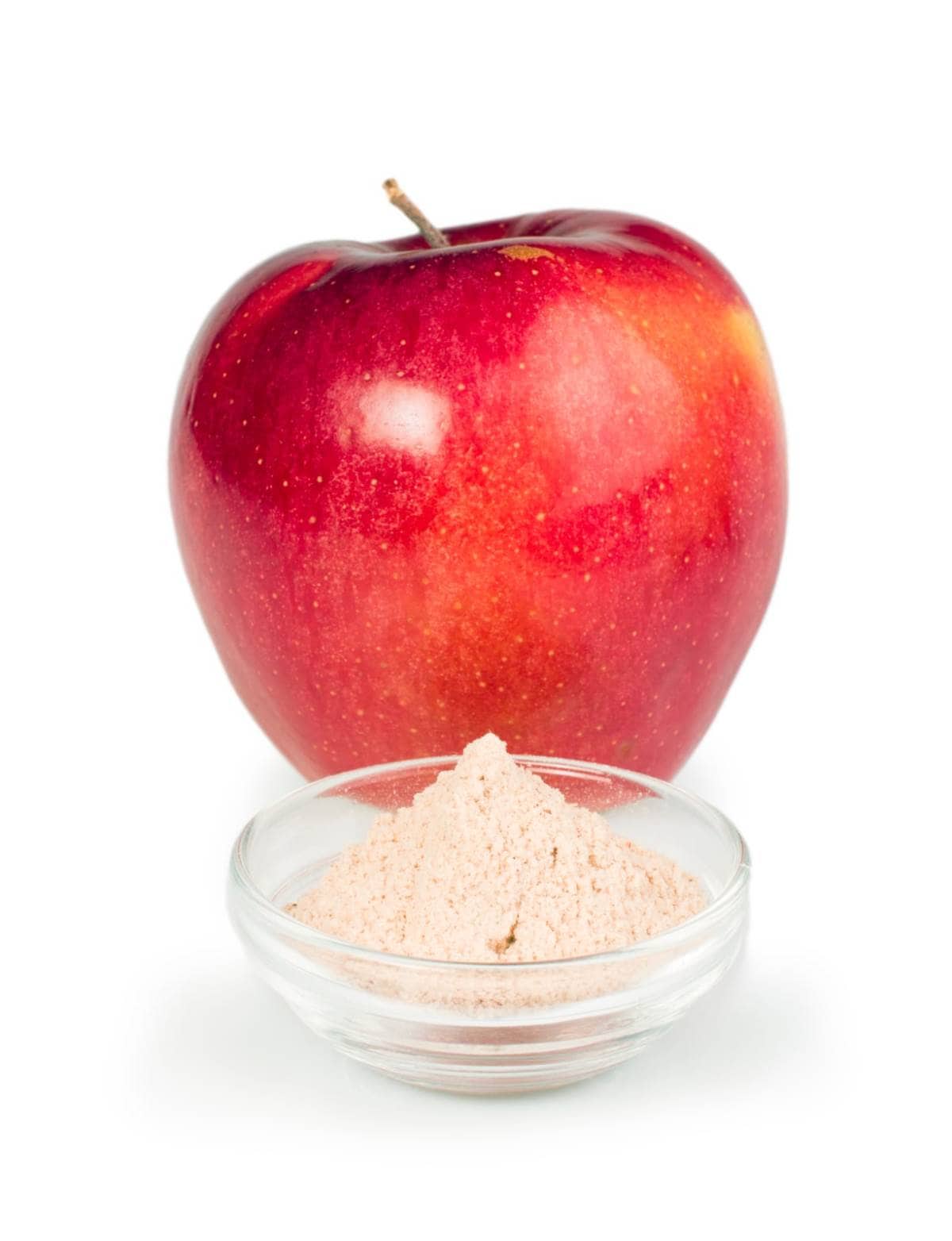
Pectin, a naturally occurring substance in fruits, is another excellent gelatin substitute. It's commonly used in jams and jellies but can also be used in other desserts. Pectin is also a soluble fiber.
Pectin works best in high-acid environments, making it perfect for fruit-based recipes. I've had great success using pectin to create vegan fruit jellies and as a glaze for tarts and pies. It's a wonderful option for those seeking a naturally occurring gelling agent.
To use pectin, mix it with sugar before adding it to your liquid ingredients. This helps prevent clumping and ensures even distribution. You can often find it in powdered form in grocery stores. Use 2 teaspoons of pectin for every 1 cup liquid.
Best for: Pectin is a great substitute for gelatin in fruit-based desserts, jams, and glazes.
4. Xanthan Gum
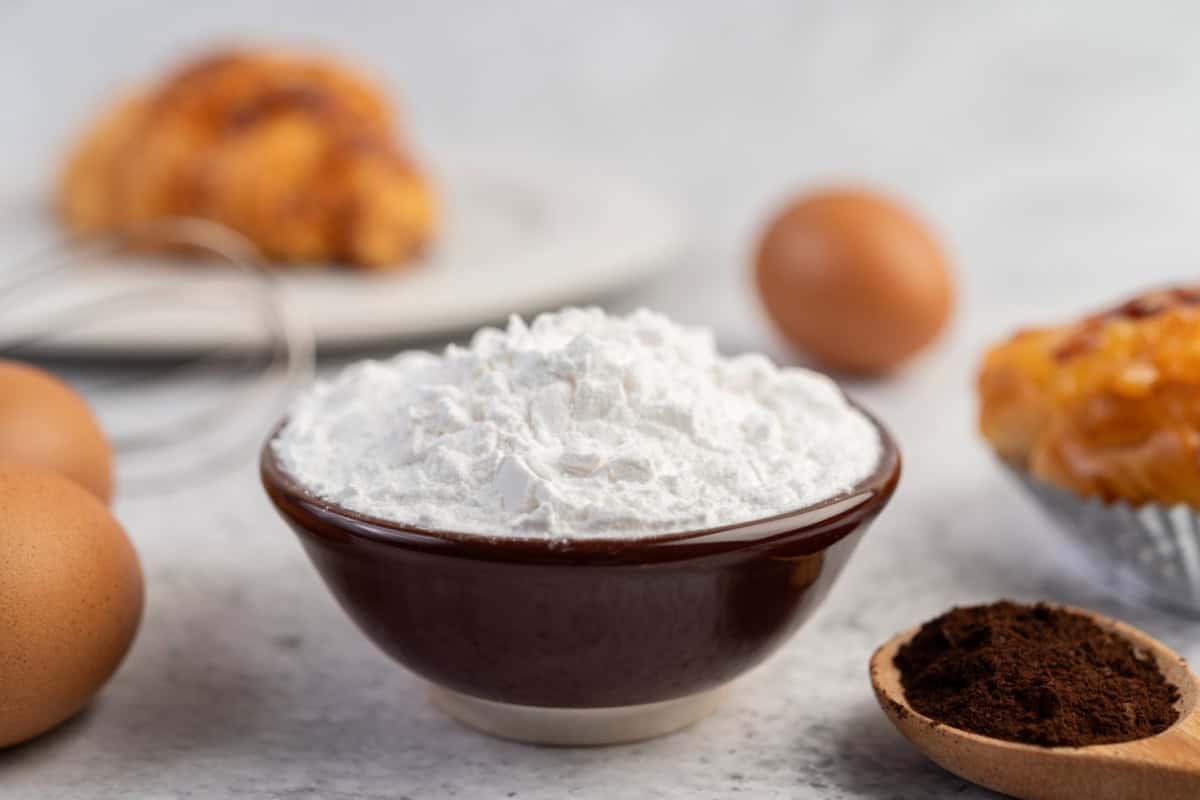
Xanthan gum is a popular thickening agent in gluten-free baking, but it can also serve as a gelatin replacement in some applications.
While xanthan gum won't create the same firm gel as gelatin, it's excellent for adding body and stability to recipes. I've found it particularly useful in creating creamy textures in vegan ice creams and stabilizing whipped cream alternatives. Consider this for your next batch of homemade ice cream.
Use ½ teaspoon of xanthan gum for every 1 cup liquid.
Best for: Xantham gum can replace gelatin easily in sauces, dressings, and as a stabilizer in ice creams.
Related: Xanthan Gum Substitute - 10 Low-Carb Alternatives
5. Guar Gum
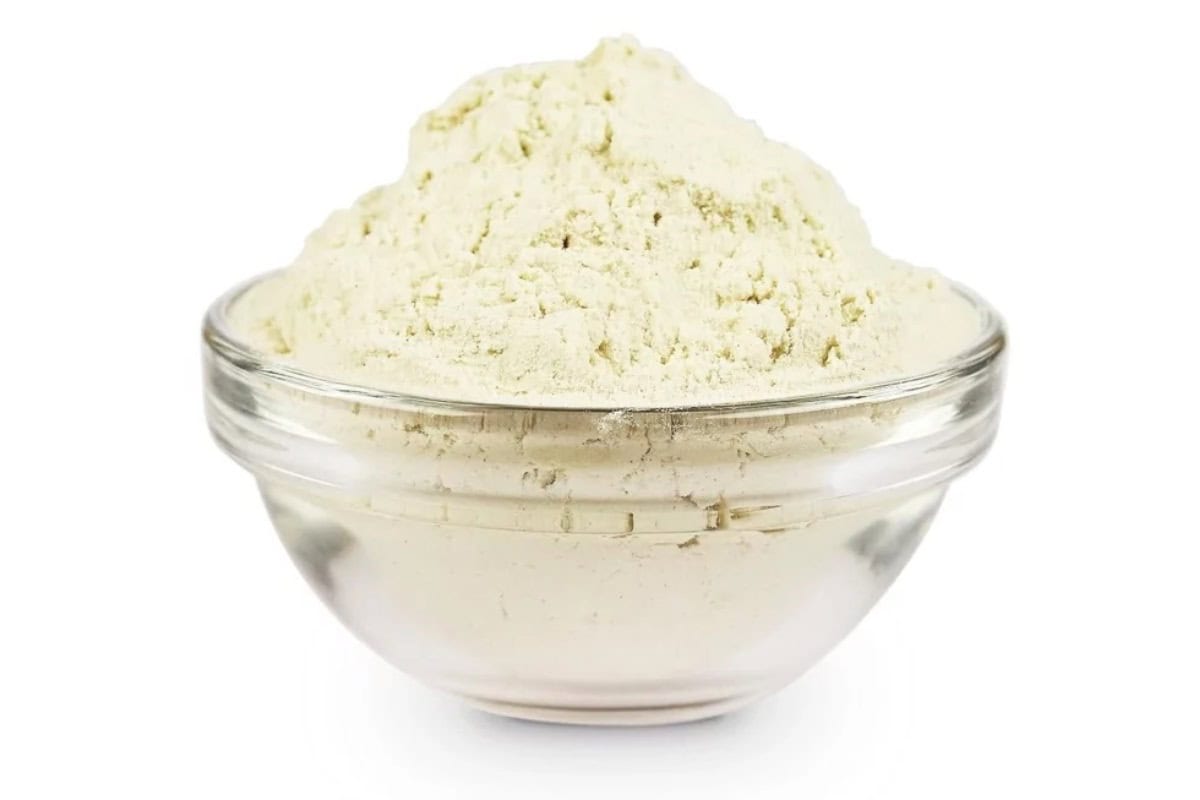
Guar gum, derived from guar beans, is another versatile thickener that can replace gelatin in some applications. You can often find guar gum guar in the baking section of grocery stores.
Unlike some other gelatin substitutes, guar gum doesn't require heat to activate its thickening properties. This makes it ideal for cold preparations. I've successfully used guar gum to stabilize Vegan whipped cream. Guar gum is also easy to use.
Use 1 to 2 teaspoons of guar gum for every 1 cup liquid.
Best for: Guar gum is an excellent substitute for gelatin in cold preparations, to thicken no-bake cheesecake fillings, and sauces.
Note: When using guar gum, be sure to mix it thoroughly with your dry ingredients before adding liquids to prevent clumping. Proper mixing helps prevent clumping.
6. Cornstarch
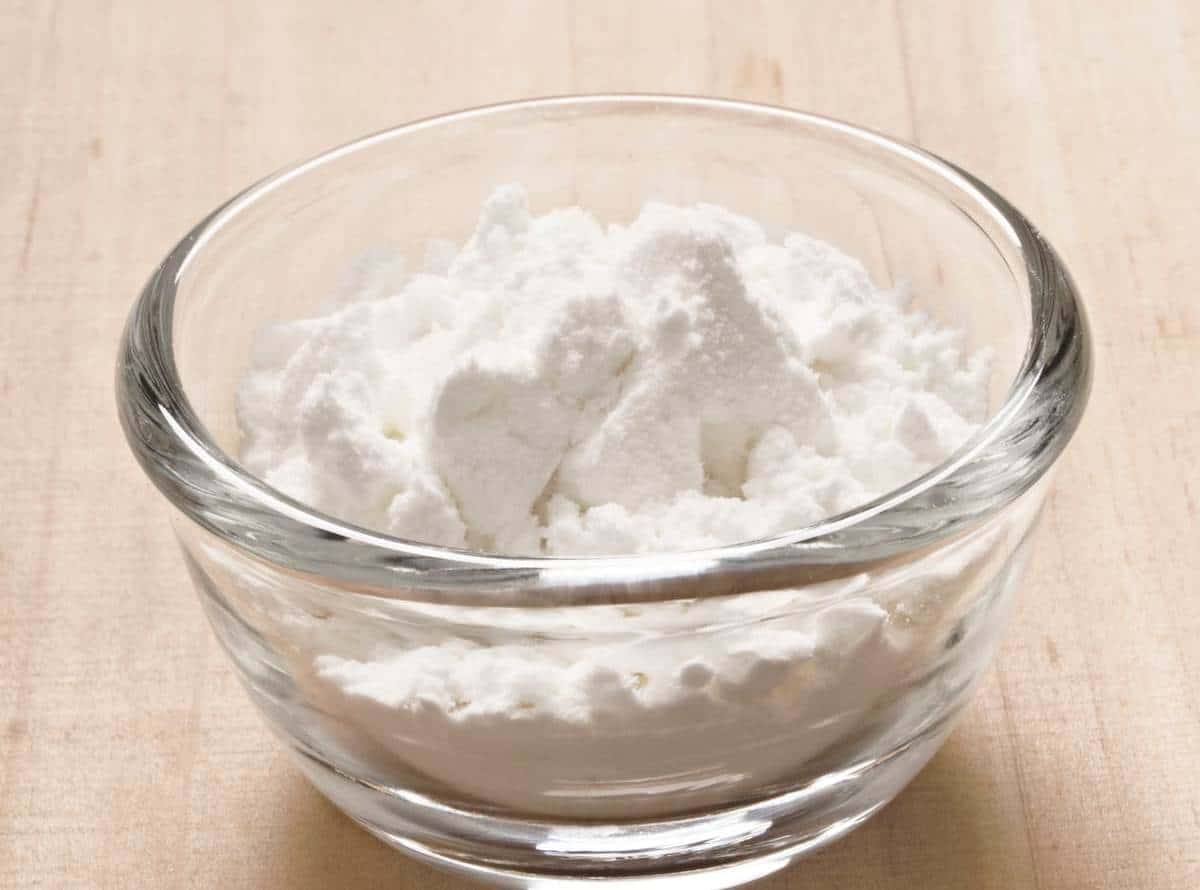
Cornstarch is a common thickening agent that can be used as a gelatin substitute in certain recipes. While it doesn't create a firm gel like gelatin, it's great for thickening sauces, custards, and puddings.
Cornstarch needs to be heated to activate its thickening properties. Mix it with a cold liquid first to create a slurry, then add it to your hot mixture. Stir constantly to prevent lumps from forming.
Use 1 tablespoon of cornstarch for every 1 cup liquid.
Best for: Cornstrach can be used as an alternative to gelatin in custards, puddings, and pie fillings.
7. Tapioca Starch
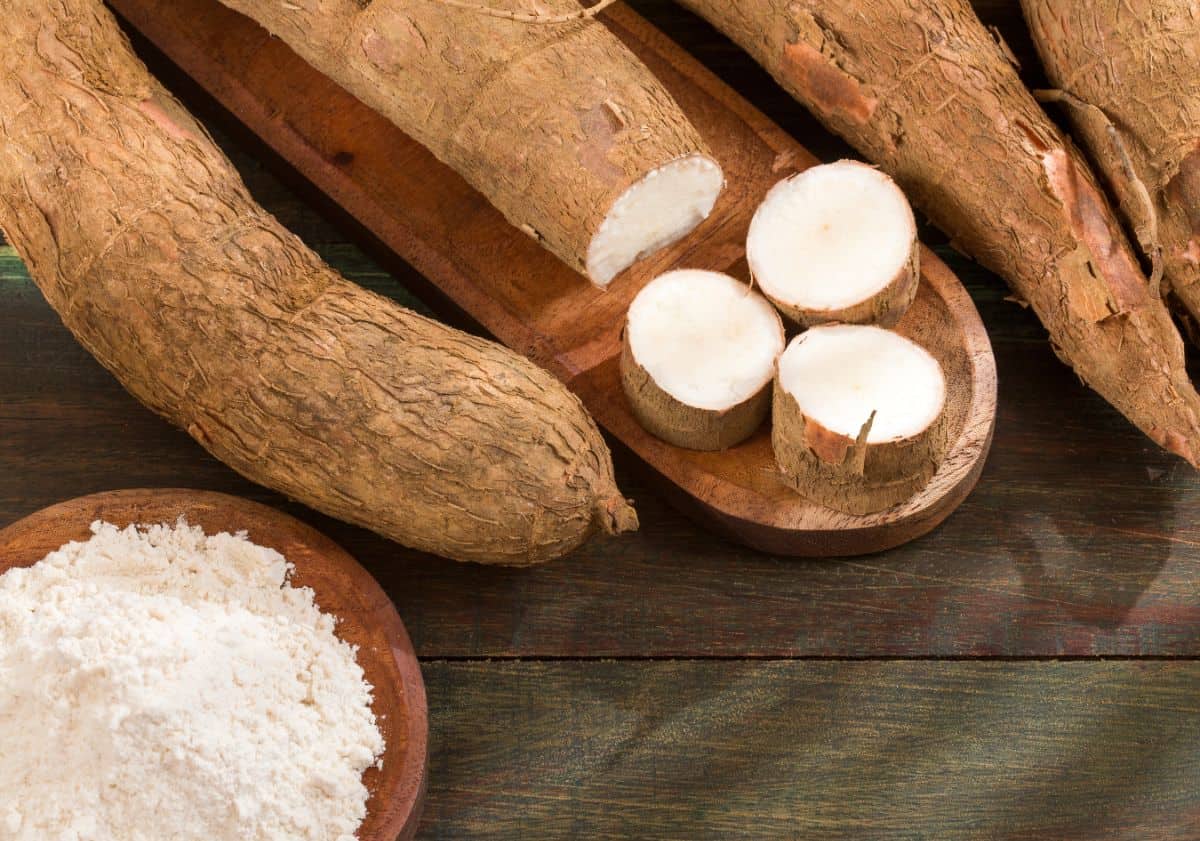
Tapioca starch, also known as tapioca flour, is another starch that can be used as a gelatin substitute. It's derived from the cassava root and is gluten-free, making it a good option for those with dietary restrictions.
Tapioca starch creates a glossy, translucent gel when heated. Like cornstarch, it needs to be mixed with a cold liquid before adding it to a hot mixture to prevent clumping.
Use 1 to 2 tablespoons of tapioca starch for every 1 cup liquid.
Best for: Tapioca starch works well as an alternative to gelatin in fruit fillings, sauces, and desserts where a clear gel is desired.
8. Arrowroot Starch
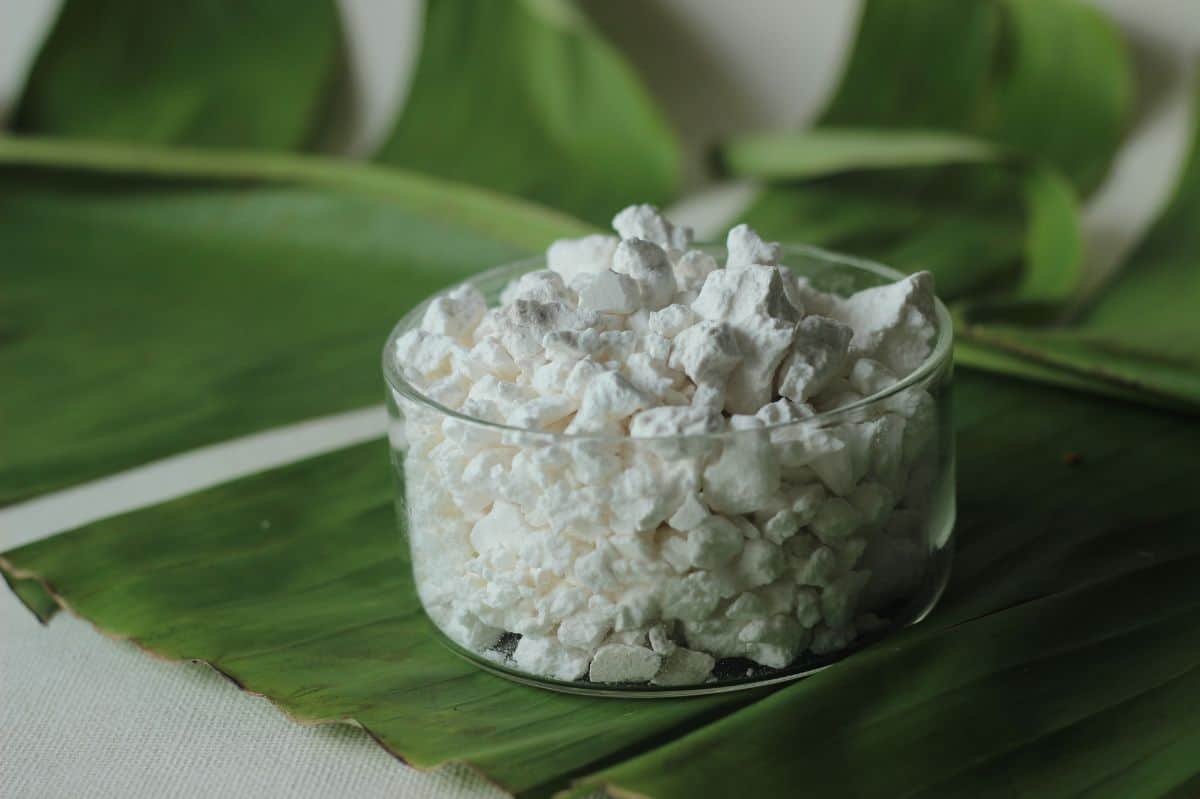
Arrowroot starch is a lesser-known but effective gelatin substitute. It's easily digestible and produces a clear, glossy gel, making it suitable for various dishes.
Similar to other starches, arrowroot needs to be mixed with cold water before being added to hot liquids to prevent clumping. Be careful not to overheat it, as it can lose its thickening power if cooked for too long.
Use 2 teaspoons of arrowroot starch for every 1 cup liquid.
Best for: Arrowroot starch works as an alternative to gelatin in things like delicate sauces, fruit fillings, and glazing.
Before you leave, be sure to check out these additional substitutions: Best Recipe Substitutions
Tips for Success with Gelatin Substitutes
Keep these tips in mind to improve your cooking experience:
- Follow ratios carefully: Unlike gelatin, many substitutes require precise measurements to achieve the desired texture.
- Consider flavor profiles: Some substitutes may impart subtle flavors to your dishes. Agar agar, for example, can have a slight seaweed taste in high concentrations.
- Adjust setting times: Different substitutes may set at different rates. Be patient and allow enough time for your desserts to set properly.
- Combine substitutes: Sometimes, a combination of gelatin substitutes can yield the best results. For example, using a bit of xanthan gum along with agar agar can create a softer, more gelatin-like texture.
FAQs
Store agar agar powder in a cool, dry place in an airtight container. This helps to maintain its gelling properties and prevent it from absorbing moisture.
Gelatin substitutes like agar agar, pectin, xanthan gum, and guar gum can typically be found in the baking section of most grocery stores, health food stores, and online retailers. Check your local grocery stores.
To replace gelatin powder, use corn starch as a thickener. Mix one tablespoon of corn starch with two tablespoons of water per cup of liquid. This works best in puddings and sauces but may not provide a brittle gel texture like gelatin.
Yes! In recipes like cheesecake, cream cheese helps create a firm texture without using gelatin. Blend softened cream cheese with whipped cream or cornstarch to achieve the desired consistency.
For a firmer brittle gel, vegetable gum options like agar-agar or carrageenan are excellent choices. These alternatives set more firmly than gelatin and work well in vegan-friendly recipes.
Yes, instead of gelatin sheets, use agar-agar or pectin. They dissolve in hot liquid and set when cooled, creating a similar consistency without animal-based gelatin.
Conclusion
Finding the right gelatin substitute depends on your recipe and dietary needs. Whether using gelatin powder, corn starch, vegetable gum, or cream cheese, you can achieve the perfect texture for your dish. Explore the different options above to create delicious, gelatin-free treats, and have fun!




Recipe
Gelatin Substitute
Equipment
- Small saucepan
- Whisk
- Measuring spoons
- Heatproof bowl
Ingredients
- 1 tablespoon gelatin powder or 3 gelatin sheets (for a 1:1 substitute)
- 1 tablespoon corn starch
- 1 tablespoon vegetable gum (for vegan-friendly recipes)
Instructions
- If using gelatin sheets, soak them in cold water for 5 minutes until soft, then squeeze out excess water.
- If using gelatin powder, sprinkle it over cold water and let it bloom for 5 minutes.
- If using corn starch, mix it with cold water until dissolved.
- Heat the mixture in a small saucepan over low heat, whisking until fully dissolved.
- Remove from heat and let it cool slightly before using in your recipe.
Notes
- Corn starch works best for thickening sauces and custards but may create a brittle gel in some recipes.
- Vegetable gum is a great vegan alternative for firm gels.
- Cream cheese can add stability and texture in creamy desserts.
- Store leftover substitutes in the fridge and reheat gently before use.
You can find the video in the post above. If you don't see a video, please check your browser settings.
Leave a Reply