


You're whipping up your favorite Indian curry, and you realize you're all out of kasoori methi. Panic sets in. Your dish won't be the same without that distinct, slightly bitter flavor. But wait, don't throw in the towel just yet!
One of the best choices as a kasoori methi substitute is celery leaves, however, the taste may not be exactly what you are looking for. That is why I have additional alternatives below to help you make the best choice! Let's spice things up!
Jump to:
What is Kasoori Methi?
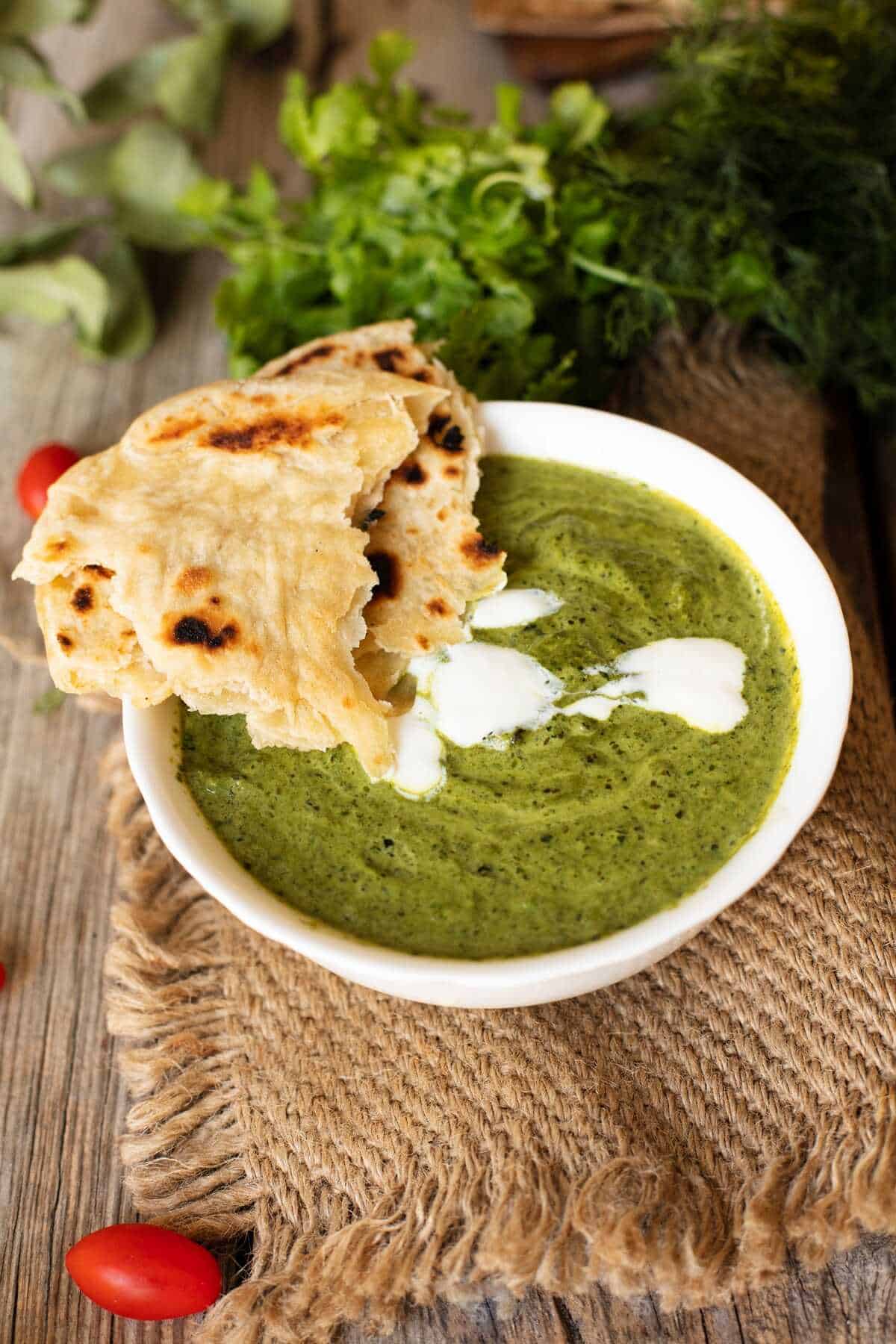
If you've ever cooked an Indian dish and wondered about that distinctive taste, slightly bitter yet addictive flavor, chances are it's kasoori methi. Also known as dried fenugreek leaves, this herb is a staple in Indian cuisine.
But what exactly is kasoori methi? Where does it come from? And what makes it so special?
Kasoori methi is made from the leaves of the fenugreek plant, which is part of the legume family. The leaves are harvested and then dried to concentrate their unique flavor and aroma.
So what does kasoori methi taste like? Imagine a flavor that’s nutty, savory, and with the same mild bitter taste as mustard seeds, emphasizing the similarity in their flavor profiles. It has a strong, pungent aroma that mellows out and blends seamlessly into dishes.
Kasoori methi adds an incredible depth of flavor to curries, dals, and even breads like parathas. A little goes a long way - just a pinch can transform a dish.
Kasoori methi isn't just delicious - it's packed with health benefits too. Fenugreek leaves are known to help control blood sugar, reduce inflammation, and aid digestion.
Incorporating kasoori methi into meals not just for the flavor, but for the nutritional boost as well is an easy way to add some extra goodness to your diet.
Best Kasoori Methi Substitutes
1. Dried Fenugreek Leaves
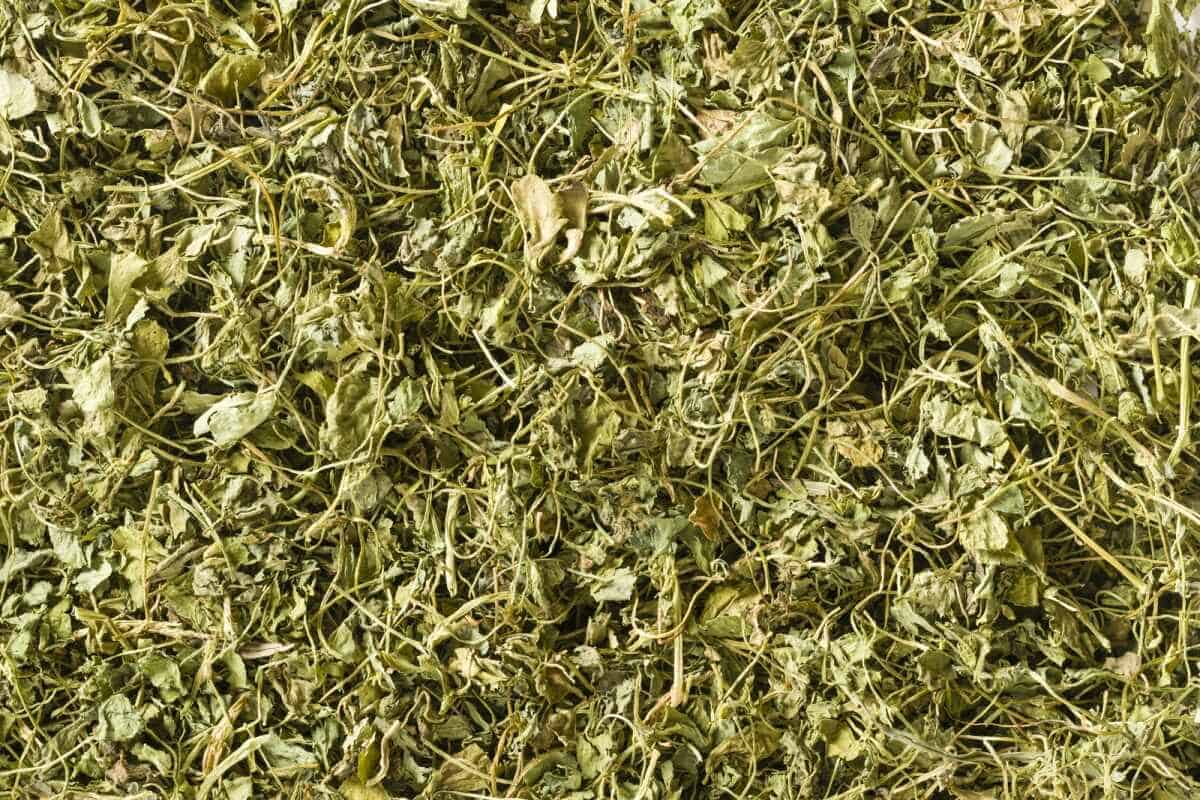
If you have dried fenugreek leaves that aren't specifically labeled as kasoori methi, don't worry - you can still use them as a substitute. The flavor might be slightly less concentrated, so you may need to use a bit more to get the desired taste.
Best for: Fenugreek leaves substitute kasoori methi well, and are often used to flavor curries, particularly those made with vegetables, lentils, or meats as they add a depth of flavor and aroma to the dish.
2. Fenugreek Seeds
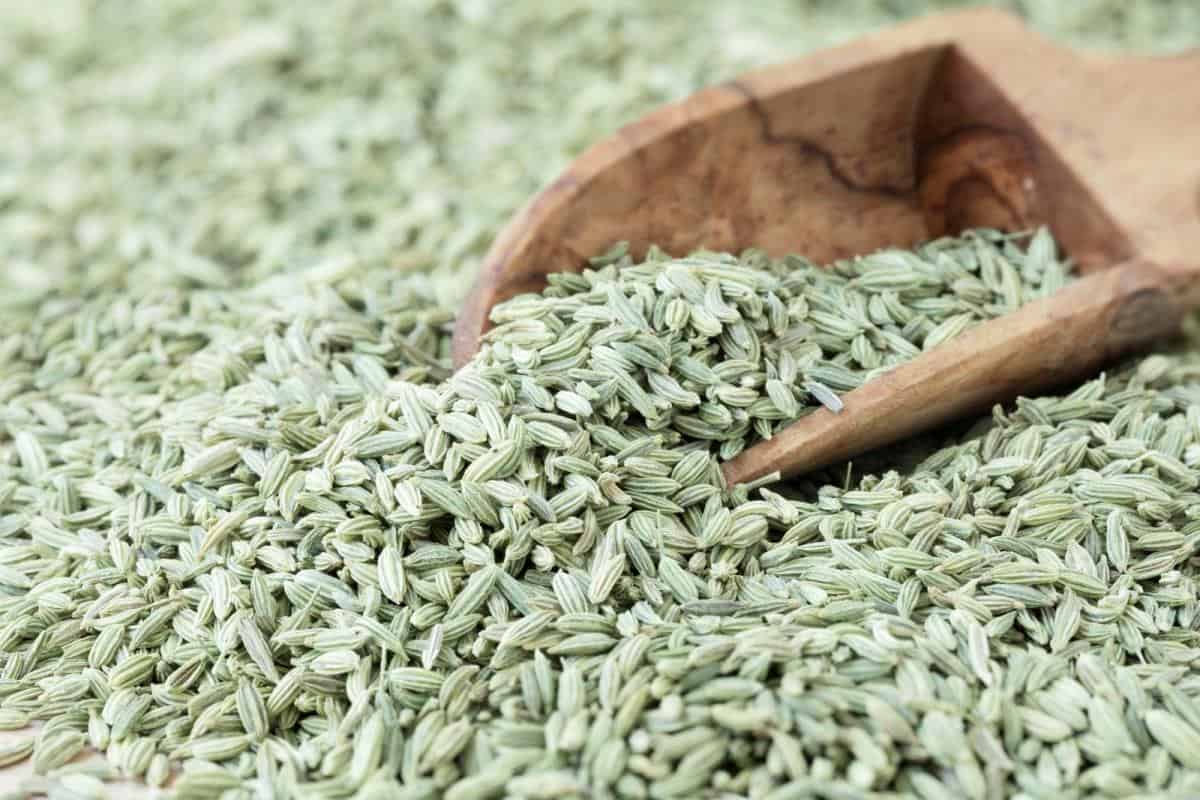
No kasoori methi or dried fenugreek leaves on hand? Fenugreek seeds to the rescue. Just toast the seeds lightly and grind them into a powder. Use this as a 1:1 substitute for kasoori methi as the best fenugreek alternative.
Best for: Fenugreek seeds work as a fenugreek leaves substitute in many spice blends, including curry powder and garam masala. The flavor of the seeds is a bit different than the leaves, but it still gives that characteristic fenugreek essence to your dishes. I’ve used this swap in a pinch and it works like a charm.
3. Celery Leaves
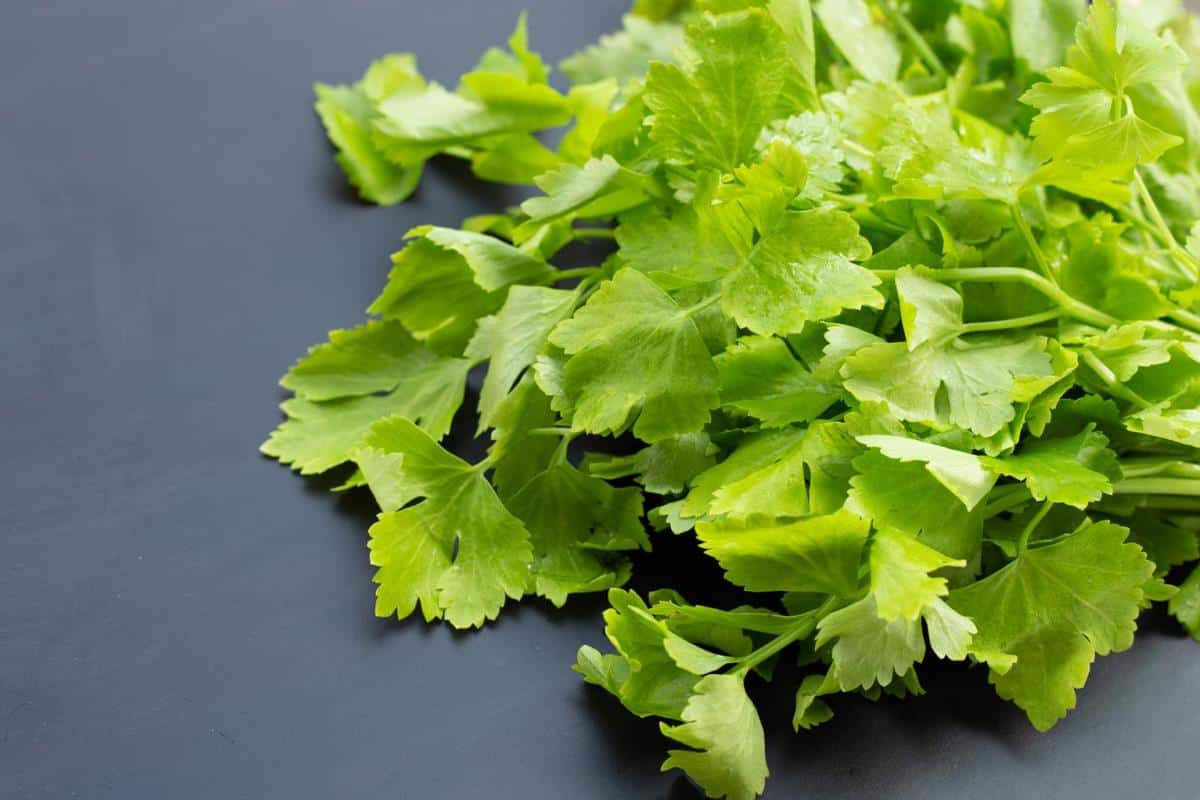
Celery leaves are another great kasoori methi substitute, especially in curries and pilafs. They have a similar bitter flavor profile. Just chop up the celery leaves and use them in place of the fenugreek.
Best for: Add celery leaves as a fenugreek leaves substitute to soups, stews, and broths to enhance their flavor. They can be used in combination with celery stalks or as a substitute for Kasoori methi if you don't have celery on hand. Chinese celery works especially well if you can find it.
Check out more Celery Salt Substitute here.
4. Mustard Greens
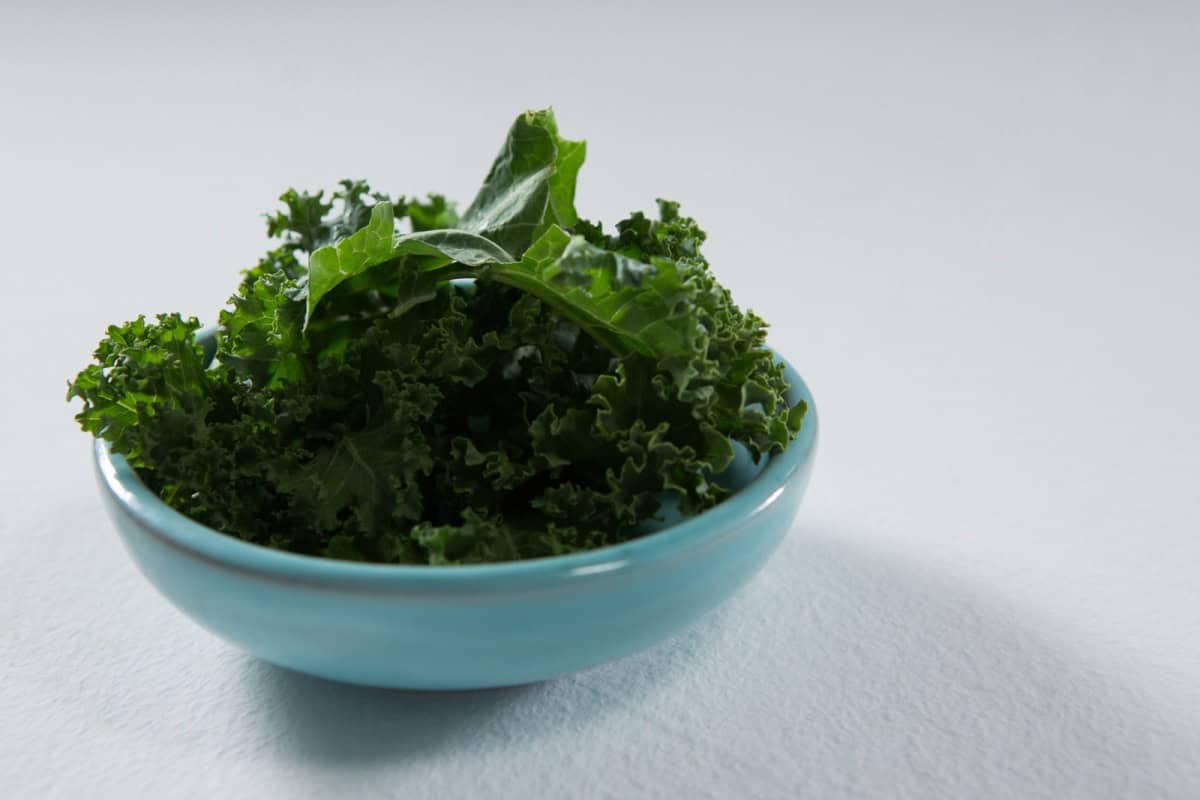
Mustard greens are a peppery, slightly bitter leafy green that can mimic the flavor of fenugreek leaves in some dishes. I like to chop them up finely and use them as a substitute in dals and saags.
Best for: Sauté mustard greens with garlic, olive oil, and a pinch of red pepper flakes as fenugreek substitutes for a quick and flavorful side dish. If you're using dried mustard greens, soak them in water for a bit before adding them to your recipe.
5. Curry Powder
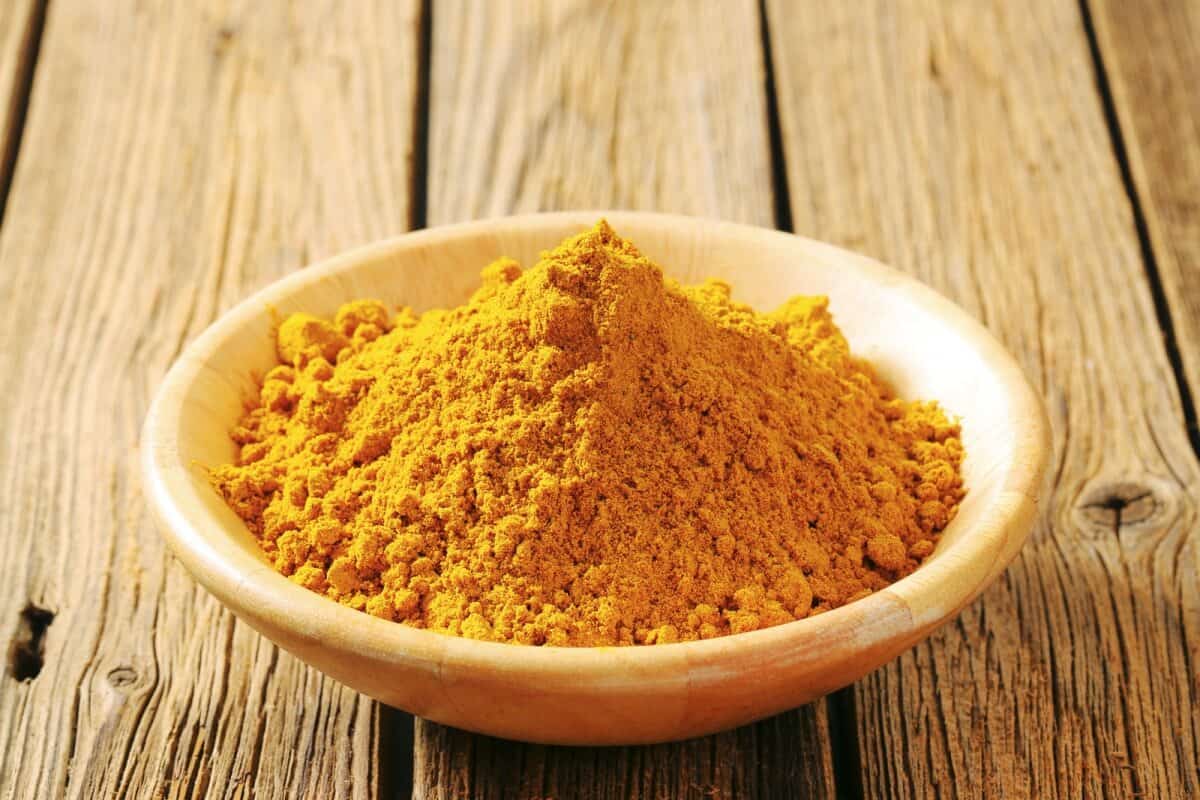
In a pinch, curry powder can be used to add a hint of fenugreek flavor to your dishes. Most curry powder blends contain ground fenugreek seeds, so it can work as a substitute in some recipes.
Best for: As the name suggests, curry powder is a key ingredient in making curry dishes and an excellent substitute for fenugreek.
Just be careful not to overdo it - curry powder has a lot of other strong spices that can overpower a dish. I recommend starting with half the amount of curry powder as you would kasoori methi and adjusting to taste.
Tip: For additional curry powder substitutes, click on the link: Curry Powder Substitute Options
6. Maple Syrup
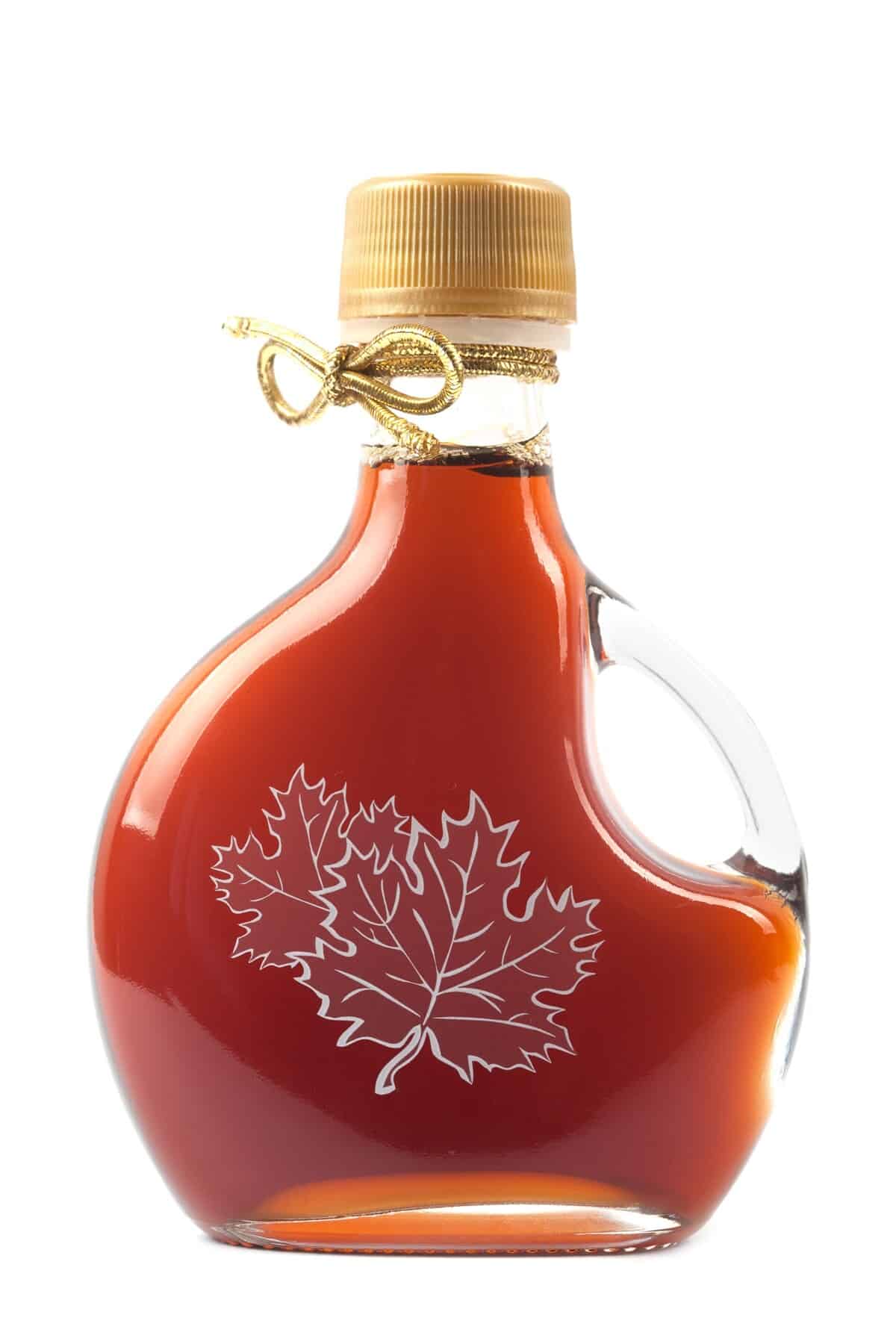
Maple syrup is a surprisingly effective substitute for kasoori methi, especially in creamy chicken curries. It has a similar bitter sweet flavor profile due to a shared chemical compound called sotolone.
Best for: Maple syrup can be used as a substitute for fenugreek as a base for marinades for meats, as its sweetness helps tenderize the protein while adding depth of flavor.
7. Curry Leaves
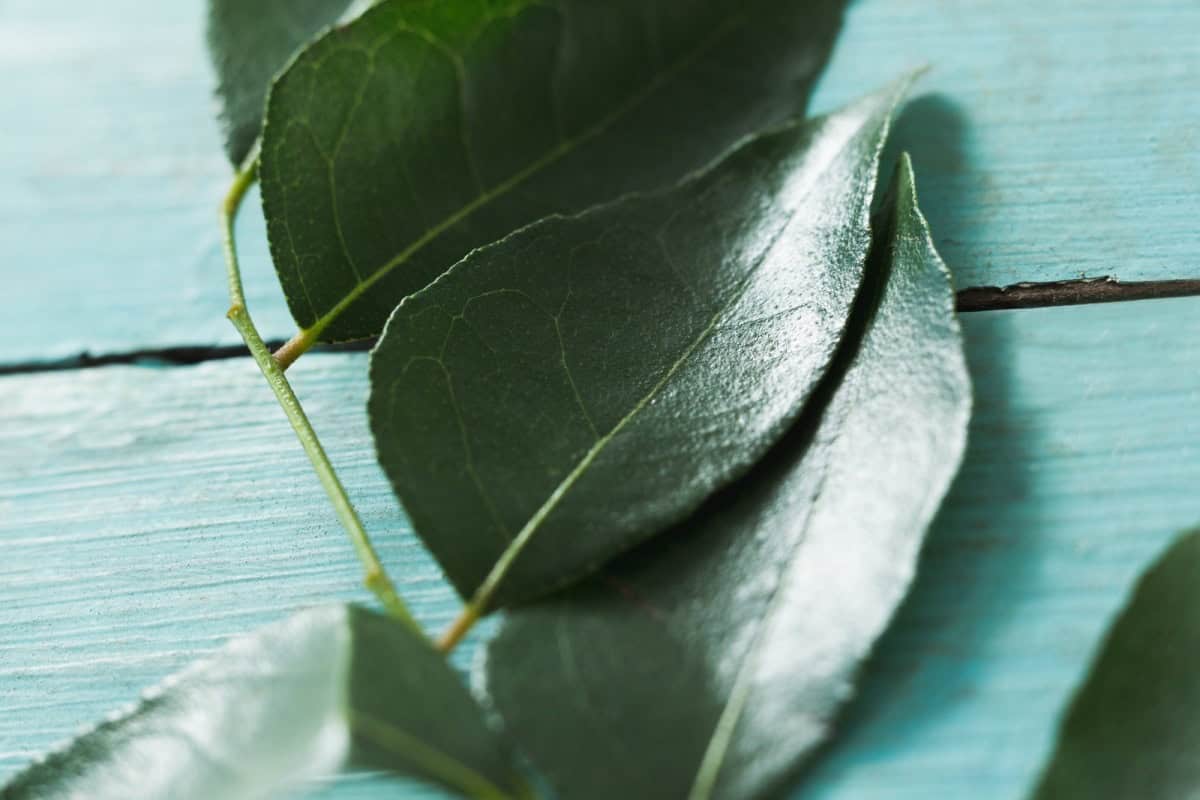
While they won't replicate the exact flavor of kasoori methi, fresh curry leaves can provide a comparable aromatic element to many Indian dishes. Sautéing them in ghee or oil to release their essential oils before adding other ingredients works wonders.
Best for: Curry leaves as a substitute for fenugreek has a unique fragrance that's often described as citrusy with hints of anise. They're a staple in South Indian cuisine, adding depth to curries, dals, and chutneys.
8. Carom Seeds
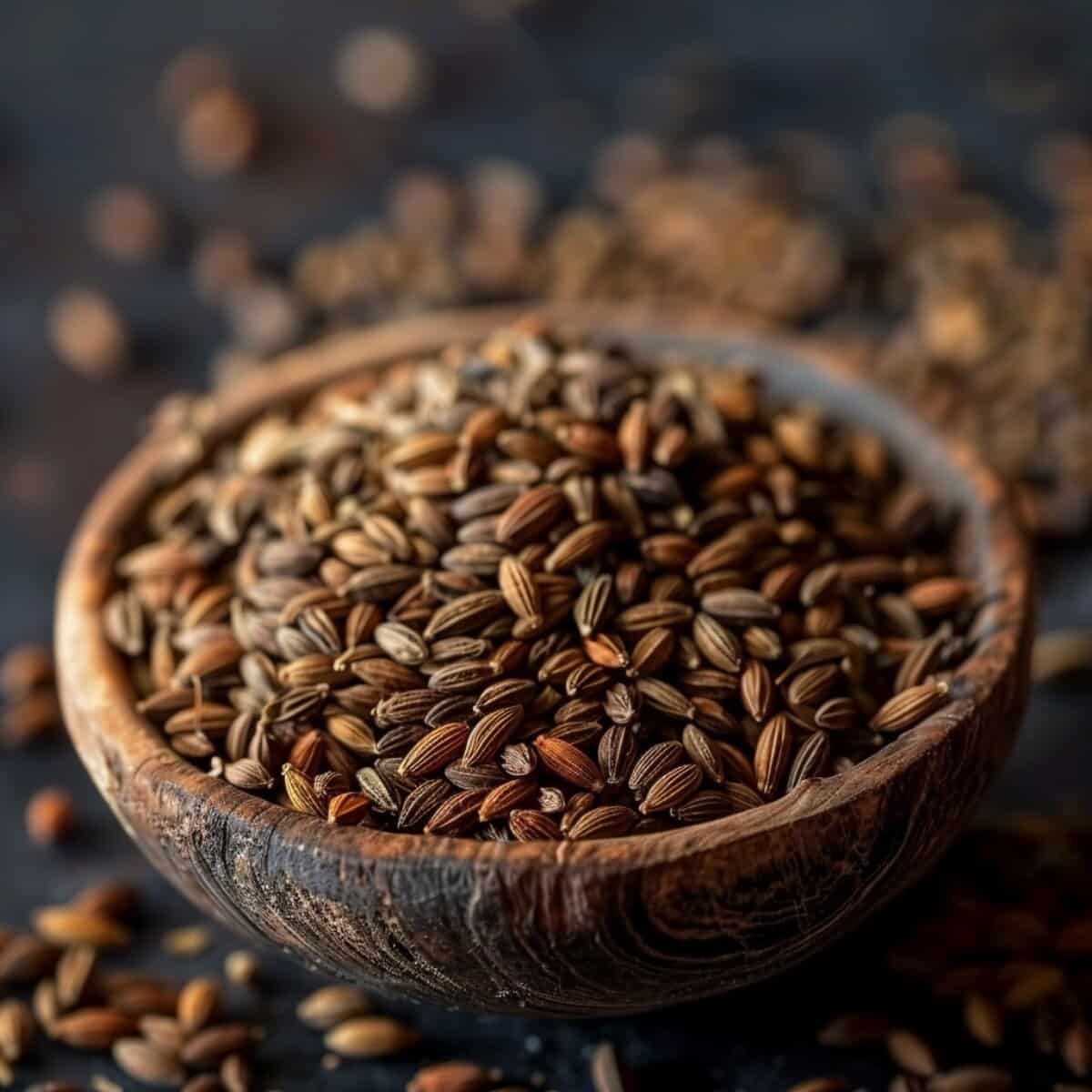
Carom seeds, also known as ajwain, have a pungent, herbaceous taste that can work as a kasoori methi substitute in some Indian recipes. Crush or grind the seeds before adding them to release maximum flavor.
Best for: Incorporate carom seeds into lentil or bean dishes like stews. Use carom seeds in a 1:2 ratio compared to dried fenugreek leaves, as their potent flavor can easily dominate if used in excess. They pair especially well with potatoes, lentils, and breads like parathas.
9. Fennel Seeds
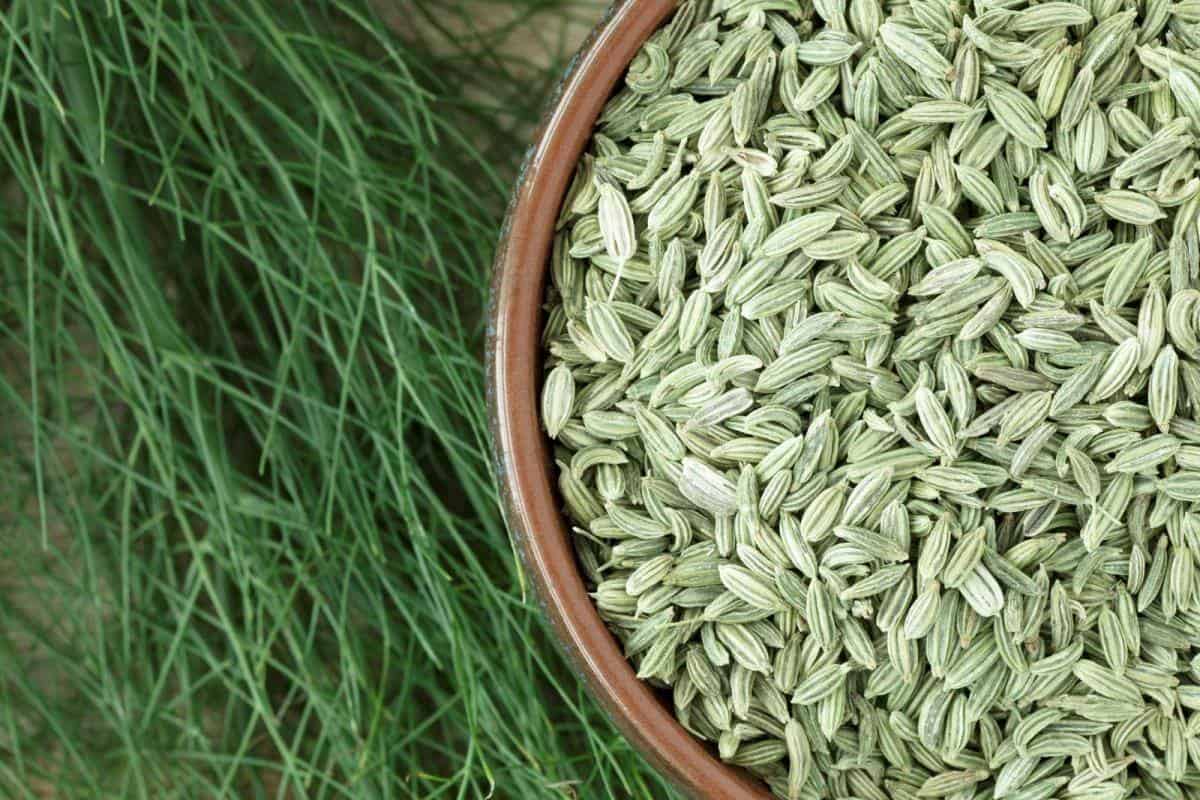
Fennel seeds have a sweet, licorice-like flavor that beautifully complements many Indian dishes traditionally made with kasoori methi. Dry roast and grind them for the most intense taste and aroma.
Best for: Use fennel seeds in an equal amount as you would dried fenugreek leaves. They work particularly well in meat-based curries and stews, adding a subtle sweetness that balances out the rich, savory flavors. Add fennel seeds to pickling brines or preserving liquids for vegetables like cucumbers, beets, or onions.
10. Fresh Fenugreek Leaves
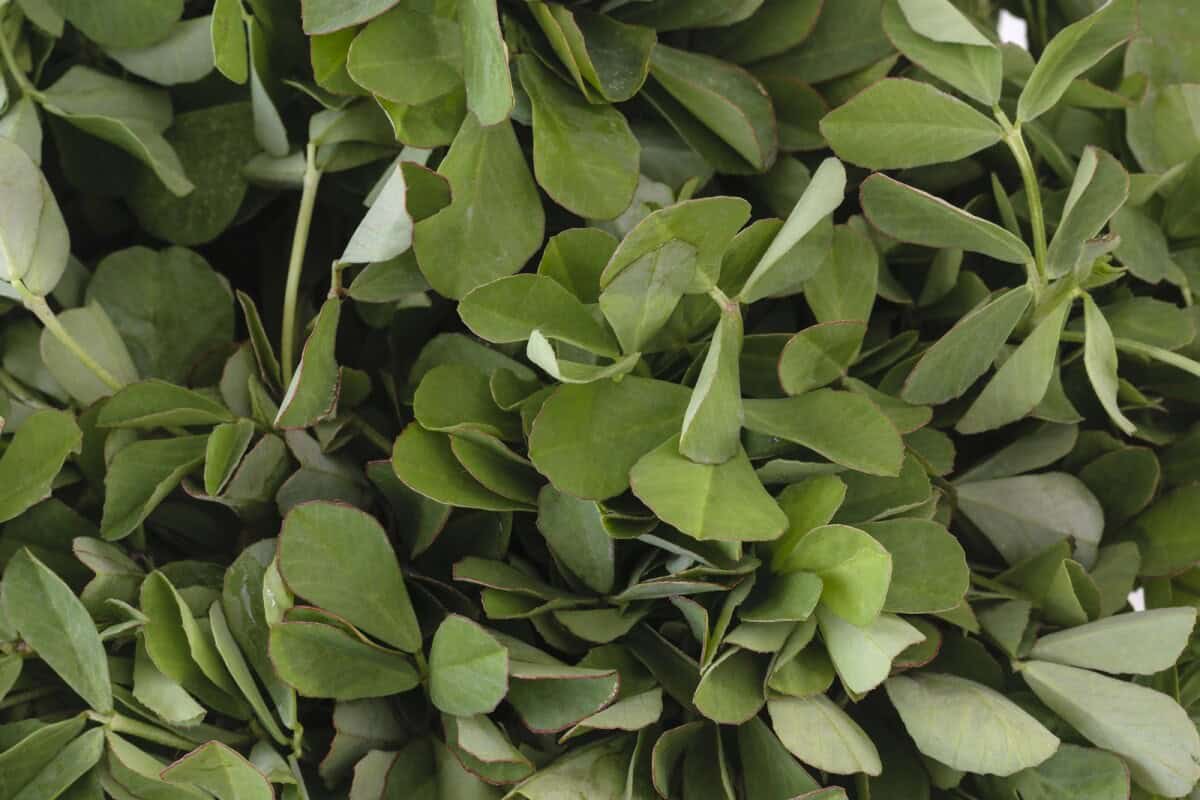
If you're lucky enough to find fresh fenugreek leaves (methi) in an Indian or Middle Eastern grocery store, by all means snatch them up. They're a fantastic substitute for kasoori methi, offering a milder version of that characteristic bitter flavor.
Best for: Finely chop the fresh leaves and use them as a garnish for curries, dals, and sabzis. You'll need to use about 2-3 times as much as you would dried fenugreek, but the bright, herbaceous notes are well worth it.
If you have extra, try freezing the leaves for later use. Mix chopped fresh fenugreek leaves into the batter for pakoras, bhajis, or fritters before frying.
Kasoori Methi Substitute FAQ's
If you're looking for a non-fenugreek alternative, you can try using yellow mustard seeds or even a small amount of maple syrup to mimic the mild bitter taste of kasuri methi. Experimentation with these substitutes may be needed to achieve the desired flavor profile in your dish.
Substituting fenugreek seeds for Kasoori Methi (dried fenugreek leaves) in a dish can work, but the flavors and textures are quite distinct, and this difference might be noticeable depending on the dish. Fenugreek seeds have a more potent, bitter taste, whereas Kasoori Methi offers a more subtle bitterness with a slightly sweet undertone and a distinct leafy texture.
If you're in a pinch, you can use a small amount of ground fenugreek seeds as a substitute, but be cautious with the quantity because the seeds are much more intense. Start with just a pinch of ground fenugreek seeds for every teaspoon of Kasoori Methi called for, and adjust according to your taste preference.
This fenugreek seeds substitution might slightly alter the intended flavor profile of your dish, so it’s best used when Kasoori Methi is not a central ingredient.
To enhance the flavor such as fresh fenugreek leaves or collard greens, consider toasting them lightly before adding them to your dish. This can help deepen their flavor and reduce any raw or grassy notes.
Additionally, pairing them with aromatic spices like cumin, coriander, or mustard seeds can complement their taste and spice up the overall dish.
Conclusion
Who knew there were so many kasoori methi substitutes hiding in our kitchens? From the crunchy celery leaf to the mighty curry powder, we've uncovered a variety of alternatives to replace kasoori methi.
So the next time you're halfway through a recipe and realize you're out of kasoori methi, don't panic. Reach for one of these substitutes, keep calm, and curry on.
Go ahead, try out these kasoori methi substitutes, and discover new flavor combinations that'll make your taste buds sing. Happy cooking, my fellow spice adventurers!


Recipe

Kasuri Methi Substitute: Toasted Coriander Seeds
Ingredients
- ¼ cup coriander seeds
Instructions
- Heat a dry skillet or pan over medium heat.
- Add the coriander seeds to the skillet and toast them, stirring constantly, until they become aromatic and slightly darker in color. This should take about 2-3 minutes.
- Once toasted, remove the coriander seeds from the skillet and transfer them to a plate to cool.
- Once cooled, grind the toasted coriander seeds using a mortar and pestle or a spice grinder until you achieve a coarse powder.
- Store the ground coriander seeds in an airtight container in a cool, dry place.
- Use the toasted coriander seed powder as a substitute for kasuri methi in your recipes.
- Add the ground coriander seeds towards the end of the cooking process to infuse the dish with their flavor.
- 1 tablespoon coriander seed powder is equal to 1 tablespoon kasuri methi, use as a 1:1 part ratio.
Notes
You can find the video in the post above. If you don't see a video, please check your browser settings.
Leave a Reply