


Ever found yourself in the middle of making cake, pie, or cookies, only to realize you're out of pastry flour? Don't worry, it happens often. But here's the good news: you likely have a perfectly good pastry flour substitute in your pantry right now.
Plenty of alternatives can save your baking day without drastically changing the taste or texture of your favorite treats, like whole wheat pastry flour as an example. This guide will show you the best options.
You'll learn how to use common ingredients, turning simple items into an effective flour substitute. We'll explore how these replacements affect your baked goods, helping you choose wisely for your specific recipe. Read on for more!
Jump to:
What is Pastry Flour?

Before discussing substitutes, let's understand pastry flour itself. Pastry flour is a low-protein flour, typically milled from soft wheat. Its protein content usually sits between 8% and 9%.
This protein content places it between cake flour (even lower protein, around 7-8%) and all-purpose flour (higher protein, about 10-12%). Bread flour has an even higher protein content, often 12-14%, which is great for chewy bread but not ideal for tender pastries.
Bakers prefer pastry flour for items needing a delicate, tender texture, like pie crusts, scones, biscuits, and certain cookies. The lower protein content means less gluten development when mixed with liquid, which helps create that desirable flaky or crumbly result.
Top Pastry Flour Substitutes
When your recipe calls for pastry flour and you don't have any, these substitutes are reliable options. They aim to replicate the lower protein content needed for tender baked goods.
1. All-Purpose Flour and Cornstarch Mix
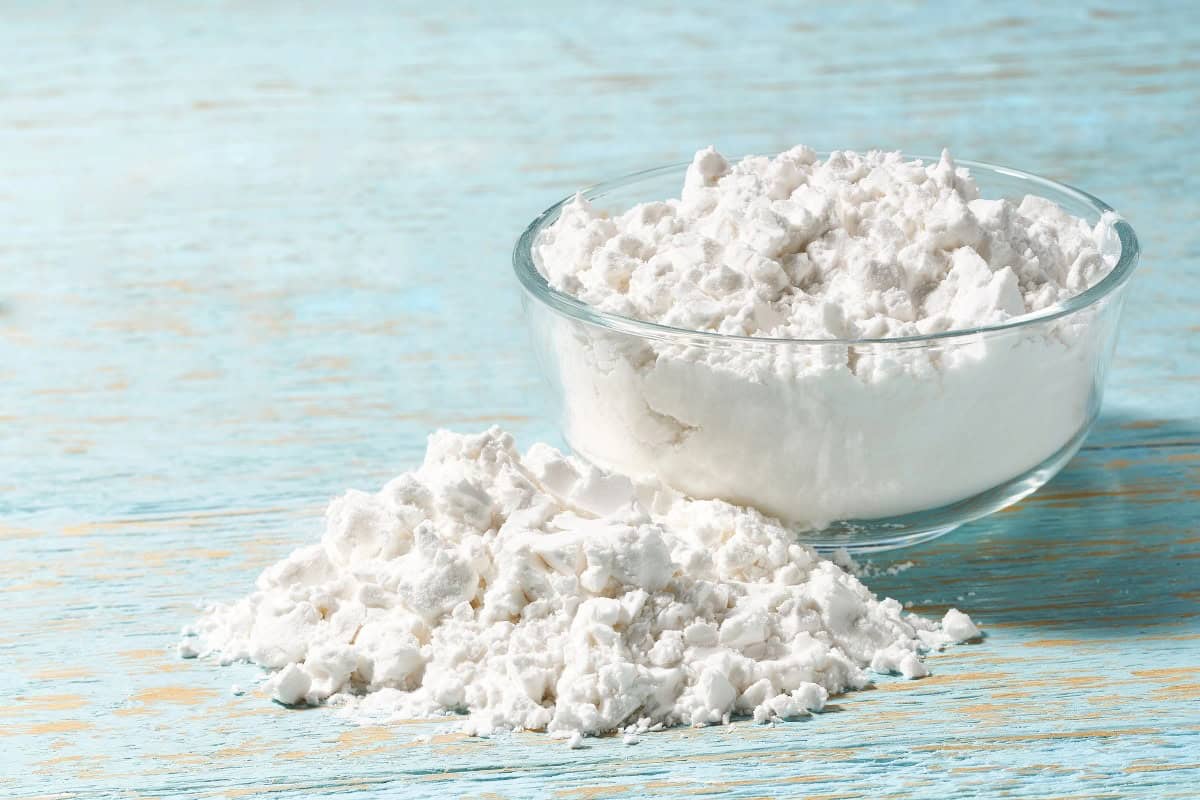
This is often the easiest and most recommended pastry flour substitute because most kitchens have both ingredients. Corn starch is a pure starchwith no protein. Adding it to all-purpose flour effectively dilutes the overall protein concentration.
To make 1 cup of pastry flour substitute: Start with 1 cup of all-purpose flour. Remove 2 tablespoons of the flour, then add 2 tablespoons of cornstarch back into the measuring cup.
Sift the all-purpose flour and cornstarch mixture together several times to ensure it's evenly distributed.
Best for: All-purpose flour works well as a substitute for pastry flour for pie crusts, cookies (like chocolate chip cookies), and biscuits.
2. Cake Flour and All-Purpose Flour Blend
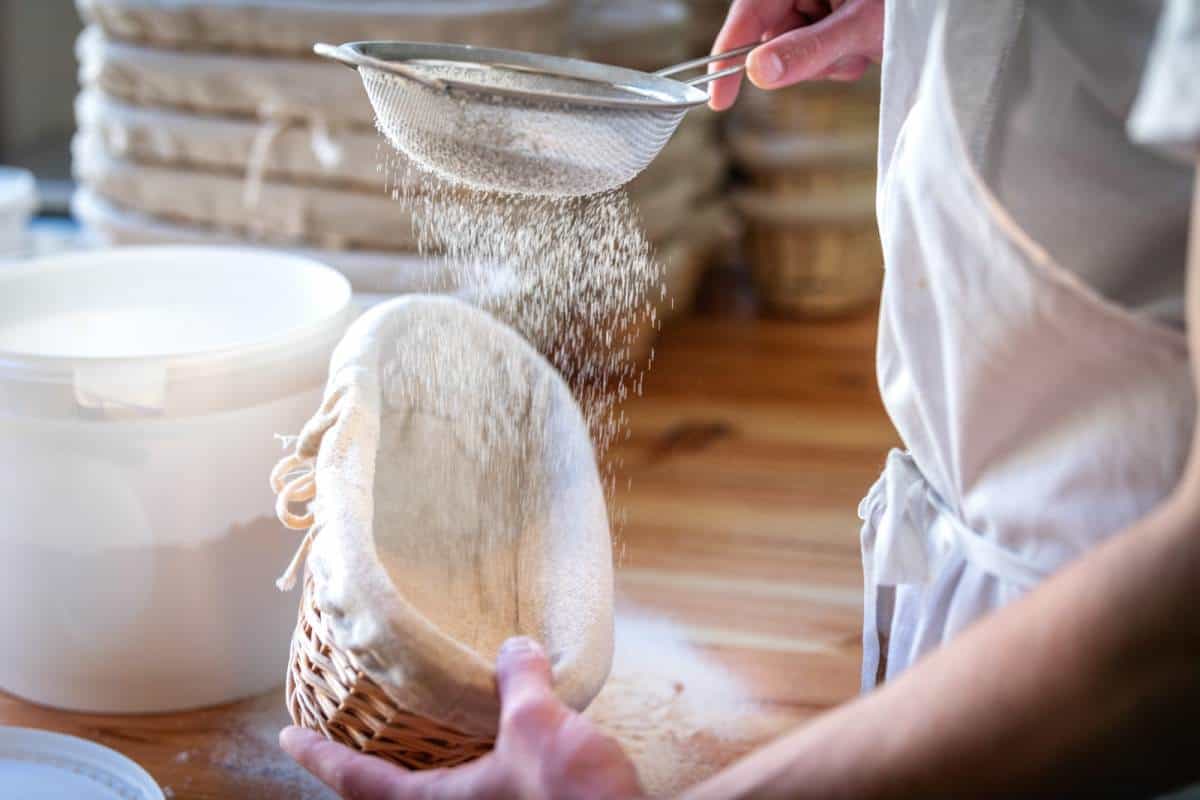
Mixing cake flour and all-purpose flour is another excellent way to achieve a protein content similar to pastry flour. Cake flour has very low protein, while AP flour has moderate protein. Combining them creates a balanced flour needed for many pastries.
A common ratio for this cake flour substitute blend is to combine equal parts by volume: ½ cup cake flour + ½ cup all-purpose flour to replace 1 cup of pastry flour. Measure each flour accurately before mixing.
Best for: Cake Flour and All-Purpose Flour Blend is great as a replacement for pastry flour in scones, muffins, and cookies where tenderness is important but a little structure from the AP flour is beneficial. It can also work well for making cake recipes that might originally suggest pastry flour.
Check out some of these delicious cookie recipes: Best Cookie Recipes
3. Whole Wheat Pastry Flour
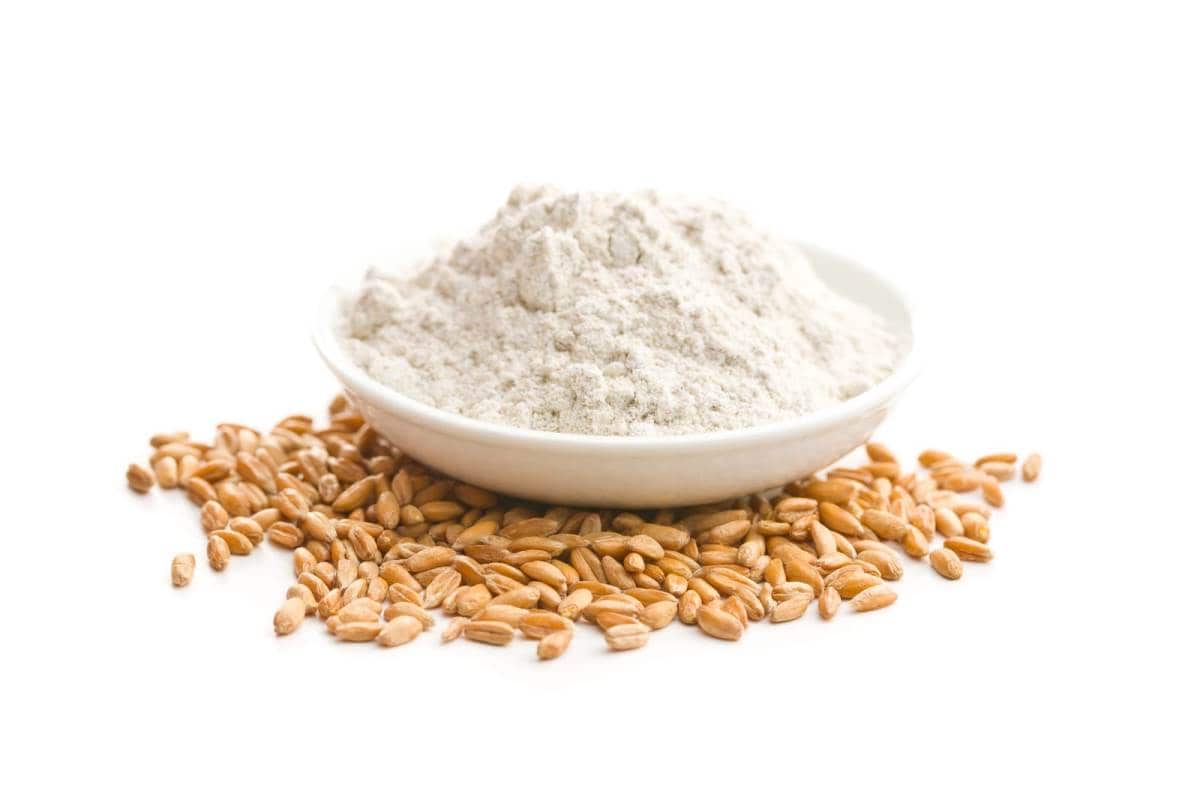
For those seeking a healthier option with more fiber, whole wheat pastry flour is a viable choice. It's milled from soft white wheat, giving it a lower protein content than regular whole wheat flour (which uses hard red wheat). It retains the nutritious bran and germ.
Whole wheat pastry flour provides a tender crumb similar to regular pastry flour but adds a slightly nutty flavor and a light tan color to baked goods. Be aware that the bran particles can slightly interfere with gluten development, which aids tenderness, but can also lead to a slightly denser or heavier final product compared to white pastry flour.
Best for: Whole Wheat Pastry Flour can replace pastry flour in muffins, quick breads, pancakes, and heartier cookies.
Pro Tip: You might need to add slightly more liquid to your recipe, as whole wheat flours tend to absorb more moisture.
4. Gluten-Free Flour Blend
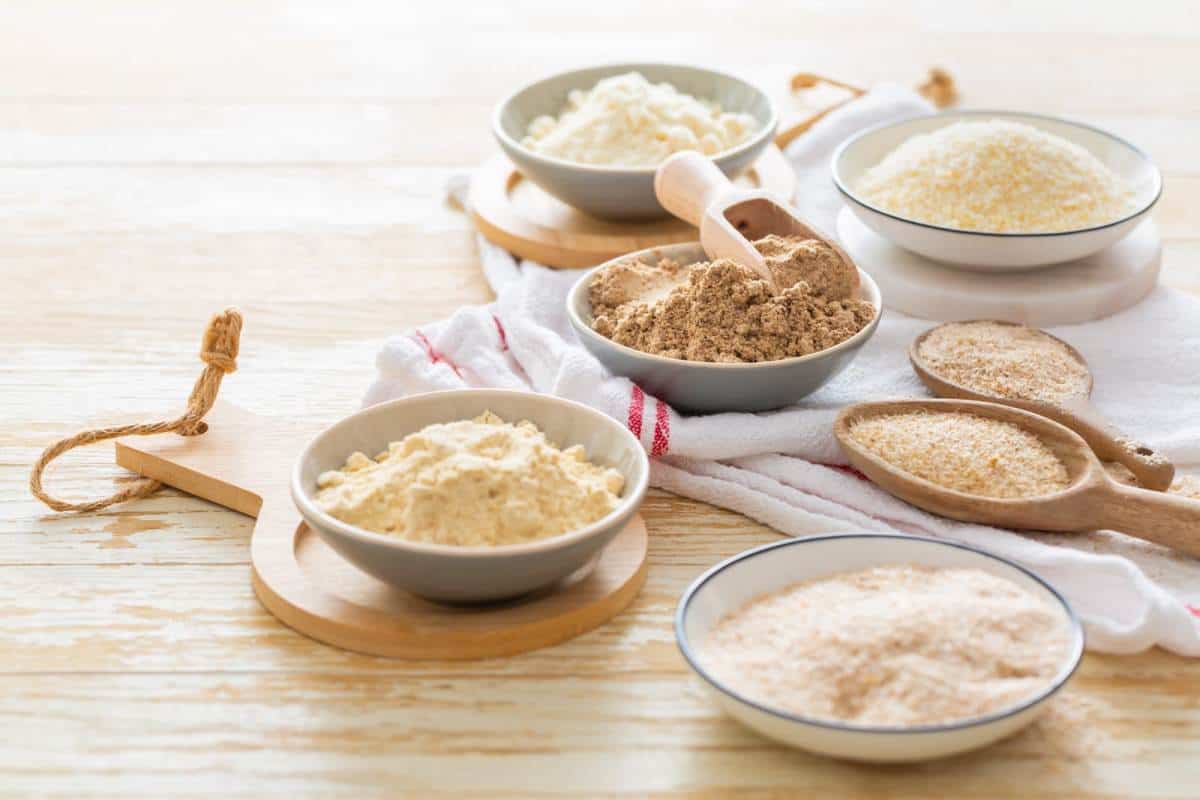
Creating gluten free baked goods requires a different approach. If you need a gluten-free pastry flour substitute, using a commercial gluten-free flour blend designed for baking is usually the best bet. These blends often contain a mix of rice flour, tapioca starch, potato starch, and sometimes sorghum or almond flour.
Look for a blend that includes xanthan gum or another binder, as this helps replicate the structure and binding properties that gluten normally provides. Without gluten, baked goods can become crumbly or dry. Read the package; some blends already contain xanthan gum, while others require you to add it.
Making a gluten free cake or pastry often requires adjustments to liquid ratios and mixing methods. Results can vary significantly between different gluten free flour blend formulations, so some experimentation might be necessary when adapting a recipe that requires pastry flour. Consider resting the dough or batter if the blend contains hydrocolloids like psyllium husk.
Best for: Gluten-Free Flour Blend is an excellent substitute for pastry flour because it mimics the light texture while being versatile and is perfect in gluten-free pie crusts, cookies, and muffins.
Check this out: How to Make Air Fryer Muffins
Impact on Different Baked Goods
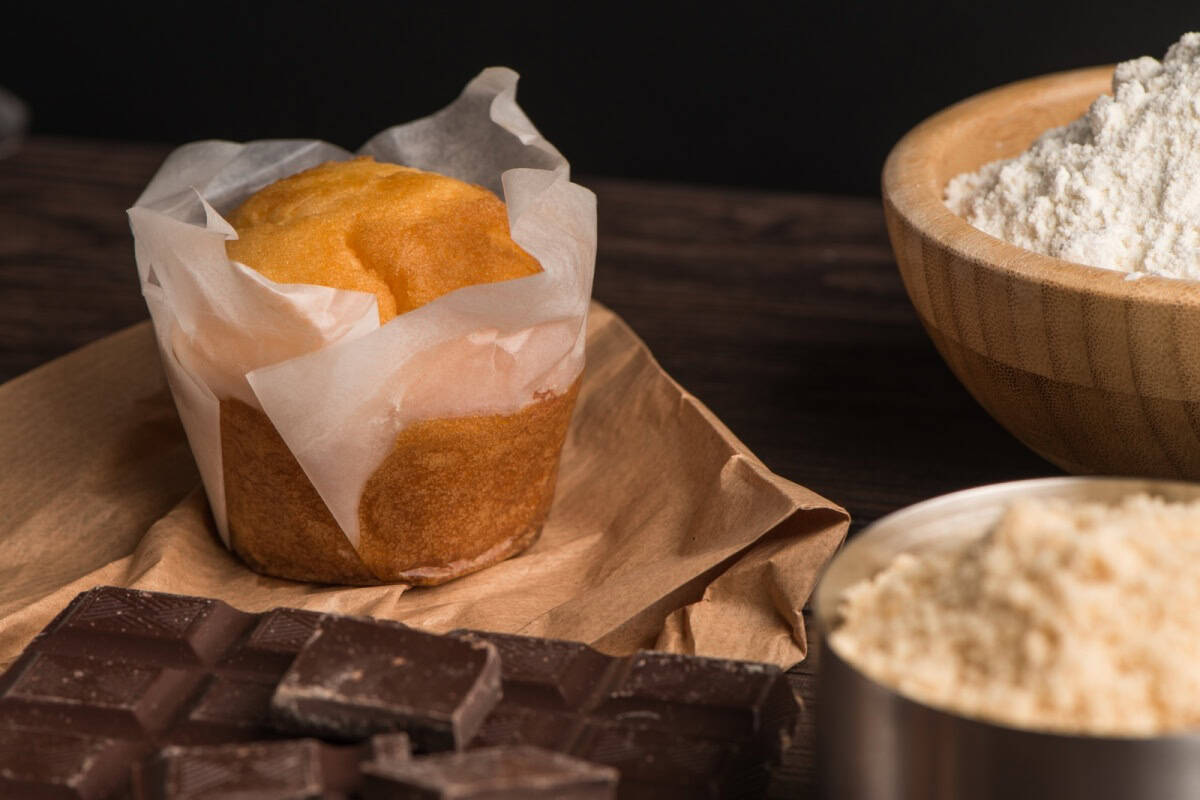
Using a pastry flour substitute will influence the final texture and sometimes the flavor of your baked goods.
Pie Crusts - For pie crusts, the goal is flakiness and tenderness. The AP flour + cornstarch substitute works well here, as the cornstarch limits toughness. However, it might not be quite as melt-in-your-mouth as a crust made with true pastry flour.
Cookies - Cookies, like chocolate chip cookies, benefit from some chewiness but also need tenderness. The cake flour + AP flour blend is often ideal, balancing structure and softness. Using only AP flour might make cookies too tough, while only cake flour could make them too delicate or crumbly.
Cakes - For cakes, including homemade cake or vanilla cupcakes, tenderness is usually paramount. The cake flour + AP flour blend is a good substitute. If the original recipe specifically calls for pastry flour (less common for cakes than cake flour), this blend mimics it well. Using whole wheat pastry flour will result in a denser, nuttier cake.
Muffins - Muffins and scones are quite forgiving. Whole wheat pastry flour adds nice flavor and texture here. The AP flour + cornstarch or cake flour + AP flour blends also work well, yielding tender results.
Biscuits - Biscuits need to be flaky and tender. Either the AP + cornstarch or cake flour + AP flour substitute is suitable. Avoid overmixing, especially with these substitutes, to keep biscuits light.
Tips for Successful Baking with Pastry Flour Substitutes
Even when using a flour substitute, you can achieve excellent results by following good baking practices.
- Sift your flour substitute before measuring, or sift the combined ingredients together. This aerates the flour mix, helps ensure accurate measurement, and removes lumps, contributing to a lighter final texture.
- Keep ingredients cold, especially fat (like butter or shortening) and liquids, when making pastries like pie crusts or biscuits. Cold fat creates steam pockets during baking, leading to flakiness. Chilling the dough before rolling and baking also helps prevent gluten development and fat melting prematurely.
- Do not overmix batters or doughs. Mix only until the ingredients are just combined. Overmixing develops gluten, which leads to toughness – a particular risk when using substitutes containing all-purpose flour with its higher gluten potential.
- Consider prep time. Some recipes, especially those involving gluten-free flour blends or whole wheat pastry flour, might benefit from a short resting period after mixing to allow the flour to fully hydrate. This can improve texture.
- Using a stand mixer? Use the lowest speed for mixing doughs and batters once flour is added to minimize gluten development. Or, finish mixing delicate doughs by hand.
When to Stick with Pastry Flour
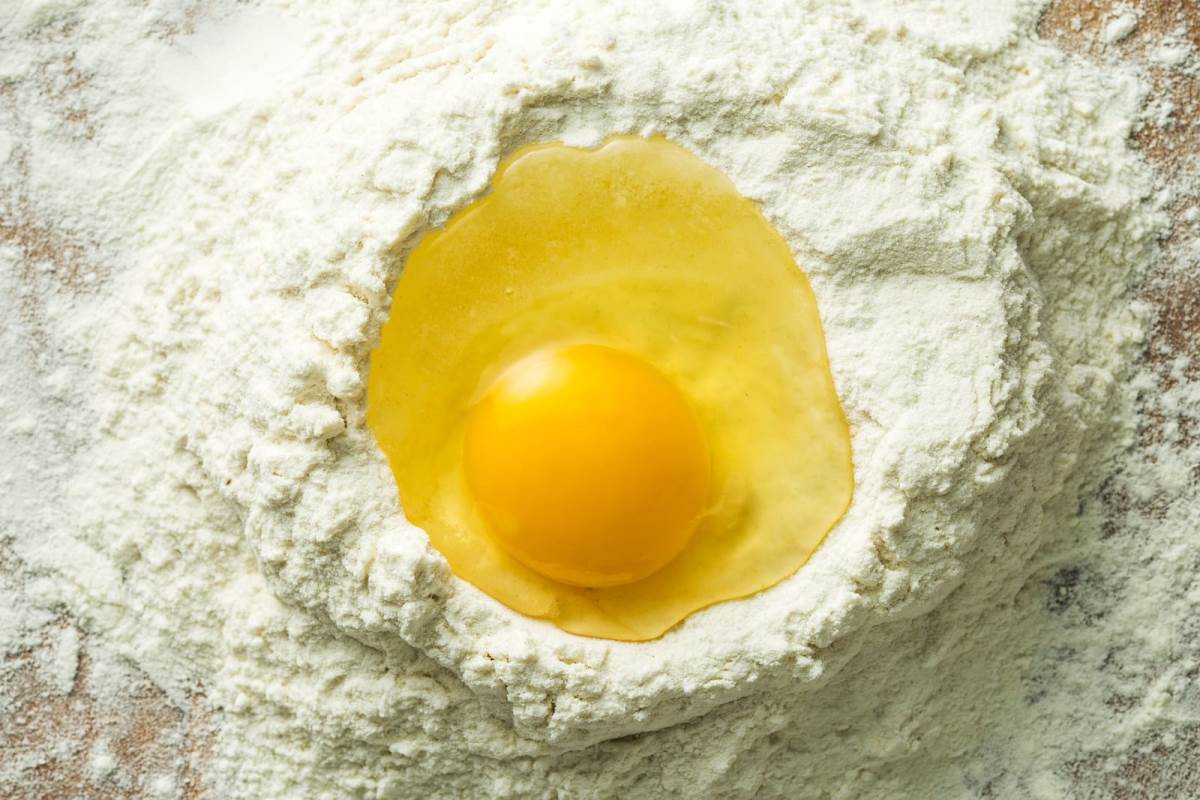
While substitutes are often perfectly good, there are situations where using genuine pastry flour is preferable for achieving the intended result.
- Very delicate items: For professional-level croissants, puff pastry, or extremely fine-textured tarts where the precise balance of tenderness and structure is critical, pastry flour often yields the best, most consistent outcome. It helps create layers effectively.
- Recipe consistency: If you are developing a recipe or need absolute consistency for selling baked goods or competitive baking, using the exact flour type specified, like pastry flour, is recommended. Substitutions introduce variables.
- Personal preference: Some bakers simply prefer the specific texture that true pastry flour provides and find that substitutes don't offer a precise match. If you bake these items frequently, keeping pastry flour on hand might be worthwhile.
Storing Flour and Substitutes
Proper storage keeps your flour fresh, whether it's pastry flour or a homemade substitute.
Store flour in a cool, dark, dry place. An airtight container is essential to protect it from moisture, odors, and pests. Whole wheat pastry flour contains oils in the germ, making it more prone to spoiling; consider storing it in the refrigerator or freezer for longer shelf life.
Label your airtight container clearly, especially if you pre-mix a batch of pastry flour substitute. Note the ingredients and the date it was mixed. Most white flour substitutes will last for several months if stored correctly, similar to all-purpose flour.
FAQ's
Yes, you can use whole grain flour as a substitute for pastry flour. However, it contains more protein, which can result in denser cakes and pastries. To lighten the texture, consider adding baking powder to the recipe.
Unbleached flour is a great option for pie dough and other pastries, offering a similar texture to pastry flour. It has less protein than whole grain flour, providing a softer, delicate texture for your baked goods.
While pastry flour is best for tender cakes and pastries, it’s not ideal for yeast breads as it contains less protein. Opt for bread flour for more gluten and structure in your bread.
To use substitute cake flour in place of pastry flour, adjust the protein in the flour by adding a small amount of baking powder. This can help maintain the desired delicate texture in cakes and pastries.
For 1 cup of flour in a recipe, use 1 cup of unbleached flour mixed with a tablespoon of cornstarch to reduce the amount of protein and achieve a delicate texture.
Conclusion
Running out of pastry flour doesn't mean you have to abandon your baking project. Understanding the role of protein content allows you to create an effective pastry flour substitute using common pantry staples. Mixes like all-purpose flour with cornstarch, or a blend of cake flour and all-purpose flour, work well in many recipes.
Don't hesitate to try these flour substitute options and see which ones work best for your favorite baked goods. Happy baking!



Recipe

Pastry Flour Substitute
Equipment
- Small bowl
- spoon or whisk
Ingredients
- 1 cup all-purpose flour
- 1 tablespoon cornstarch
Instructions
- In a small bowl, combine 1 cup of all-purpose flour with 2 tablespoons of cornstarch.
- Mix well until the cornstarch is fully incorporated.
- Use this mixture as a substitute for 1 cup of pastry flour in any recipe.
Notes
- This substitute works best in recipes that require a delicate texture, like pie dough or cakes and pastries.
- The cornstarch helps to reduce the amount of protein in the all-purpose flour, making the final product softer.
You can find the video in the post above. If you don't see a video, please check your browser settings.
Leave a Reply