

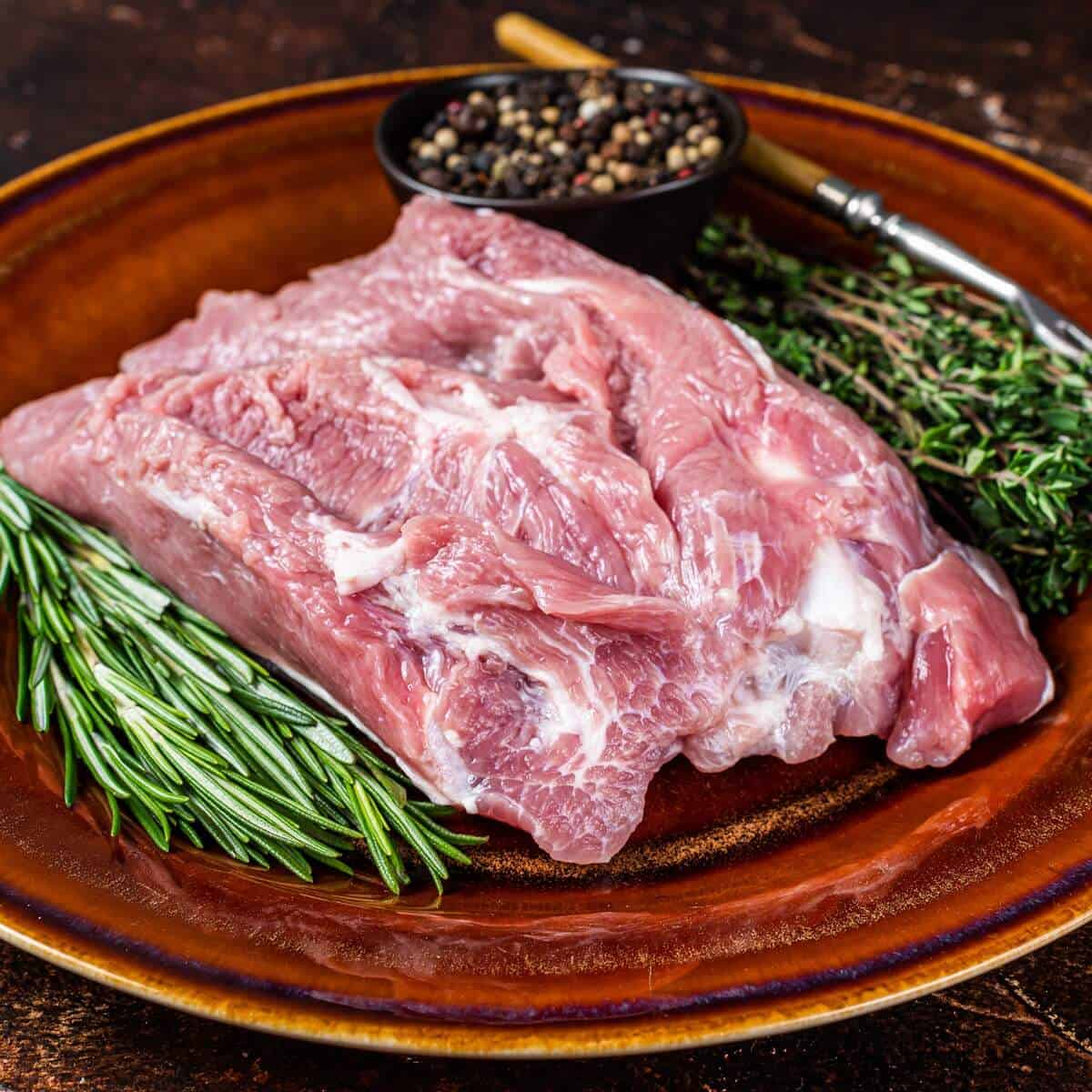
Cooking can be a real adventure, especially when you’re faced with a recipe that calls for a cut of meat you don’t have. I’ve been there more times than I can count.
Recently, I found myself staring at a recipe for pulled pork that required a pork shoulder, but my local store was out. That’s when I realized it was time to get creative with the best pork shoulder substitutes.
In this post, we’ll explore pork shoulder substitutes. We’ll explore everything from other cuts of pork to completely different meats and even some vegetarian options. I’ll share what I’ve learned through years of cooking (and sometimes failing) in my own kitchen.
Jump to:
Understanding Pork Shoulder
Before we jump into substitutes, let’s discuss what makes pork shoulder special. This cut comes from the pig’s front leg and shoulder area. It’s known for its rich flavor and high-fat content, which makes it perfect for slow-cooking methods like braising or smoking.
Pork shoulder is often used for dishes like pulled pork, carnitas, and pork roasts. Its marbling (those streaks of fat running through the meat) helps keep it moist during long cooking times. This is why it’s so popular for barbecue and other slow-cooked recipes.
To ensure the best results, it’s important to cook pork shoulder at low heat for a long period, using methods like braising, stewing, or roasting to infuse flavors and prevent dryness.
Key Characteristics of Pork Shoulder
- Rich, porky flavor.
- High-fat content.
- Tough muscle fibers that become tender with slow cooking.
- Large, often bone-in cut.
- Results in juicy meat when properly slow-cooked.
Understanding these characteristics is crucial when looking for a substitute. We want to find options that can mimic these qualities as closely as possible.
Best Pork Cuts to Substitute for Pork Shoulder
When you need a pork shoulder substitute, your first stop should be other cuts of pork. These will give you the closest flavor profile to what you’re aiming for. Here are some of the best options:
A great alternative to pork shoulder is the boneless pork leg. This cut is taken from the pig’s hind leg and is known for being lean, high in protein, and low in fat. It can be roasted, grilled, or baked, making it easy to cook and suitable for various recipes.
When cooked properly, the boneless pork leg is juicy and tender, making it an excellent choice for pulled pork and as a substitute in other recipes.
Another suitable substitute is the pork leg. Also taken from the pig’s hind leg, the pork leg shares similar lean, high-protein, and low-fat qualities. It can be used as a substitute for pork shoulder in various recipes, offering a comparable texture and flavor, making it a versatile alternative.
See this delicious recipe: Air Fryer Pork Neck Recipe
Pork Butt (Boston Butt)
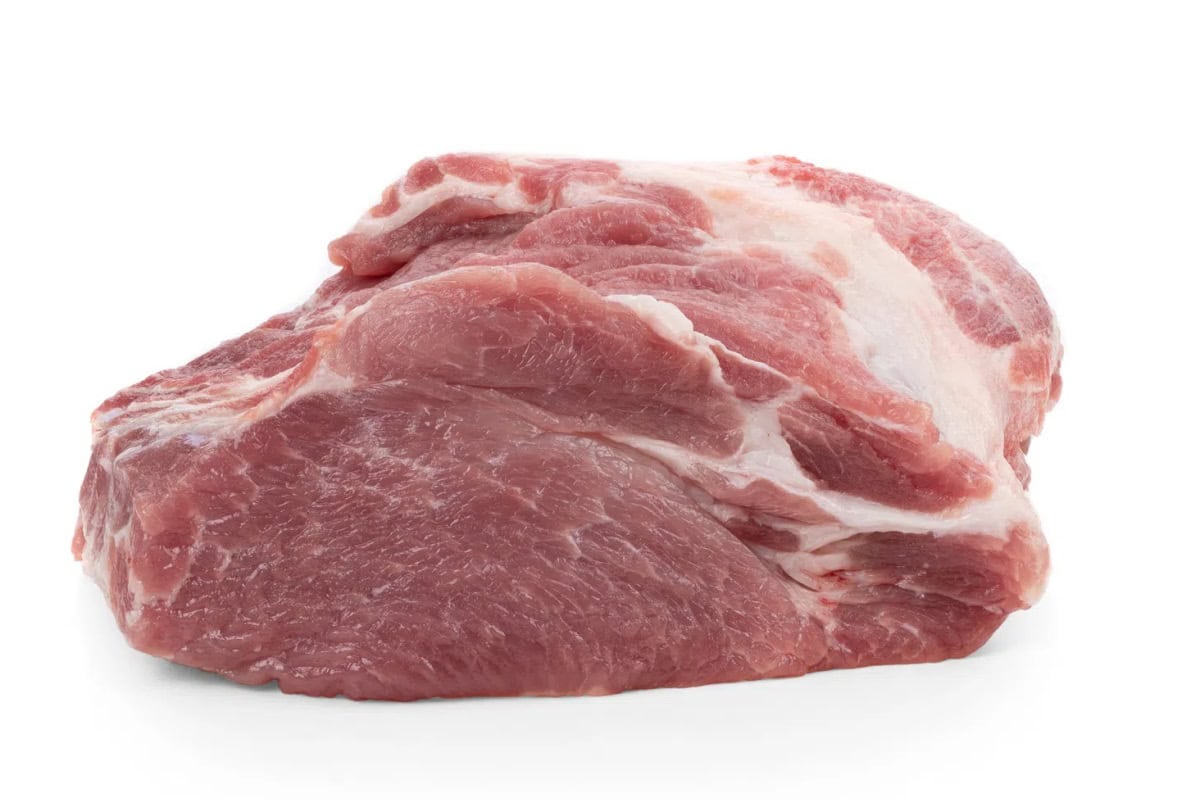
Despite its name, pork butt comes from the upper part of the pig's shoulder. It's very similar to pork shoulder and can be used interchangeably in most recipes. Many butchers use the terms pork shoulder and pork butt interchangeably.
Pork butt is well-marbled and has a good amount of connective tissue, making it ideal for slow-cooking methods. It's my go-to pork shoulder substitute when making pulled pork or carnitas.
Best for: Pork butt is best for pulled pork sandwiches or carnitas, favored for its tender texture and rich flavor. It makes a good substitute for pork shoulder in an air fryer, achieving crispy edges and juicy results with less cooking time.
Picnic Shoulder
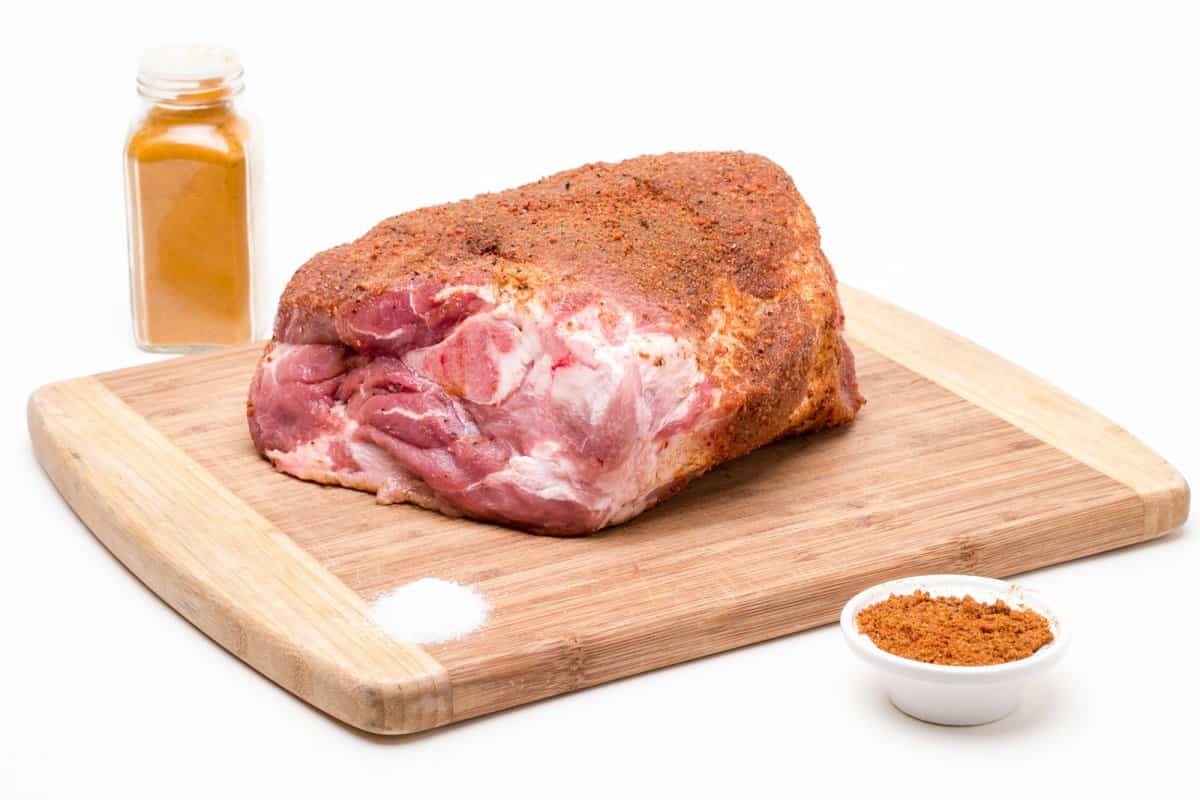
The picnic shoulder comes from the lower part of the pig's shoulder. It's a bit tougher than pork butt but still works well as a pork shoulder substitute, especially for slow-cooked dishes.
One thing to note: picnic shoulder often comes with the skin on, which can be great for recipes where you want crispy crackling. However, if your recipe doesn't call for skin, you might need to remove it before cooking.
Best for: Picnic shoulder is best for slow cooking recipes such as pulled pork, carnitas, or barbecue. It's well-marbled and flavorful, making it a great substitute for pork shoulder due to its similar fat content and cooking versatility.
Pork Loin
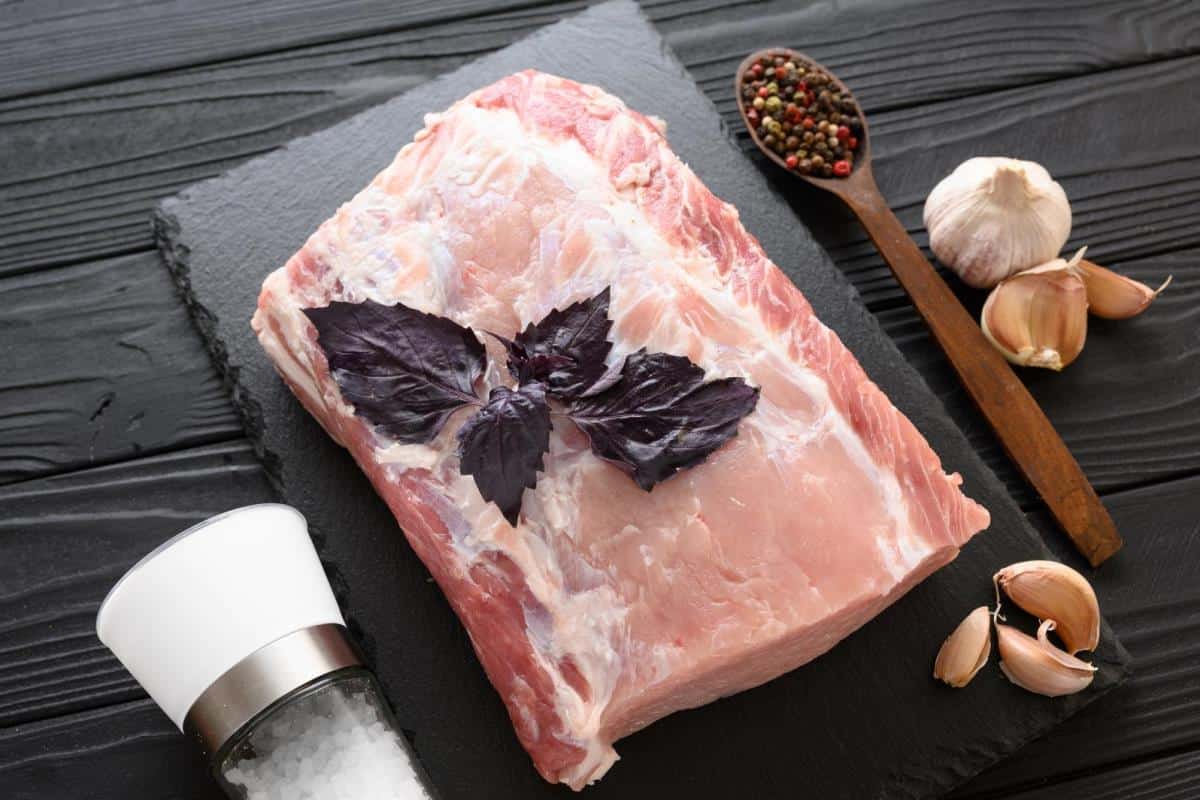
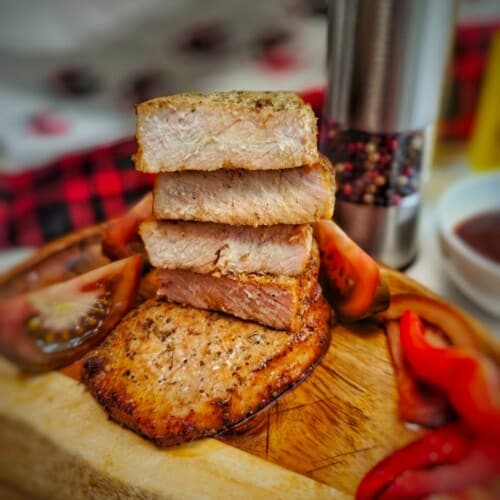
Pork loin is leaner than pork shoulder but can work as a substitute. Both pork loin roast and loin roast are excellent alternatives, especially for recipes that don’t require long cooking times, as they can dry out if overcooked.
If you’re using pork loin as a pork shoulder substitute, you might want to add some extra fat to your recipe. This could be in olive oil, butter, or even bacon fat. This will help keep the meat moist and add some of the richness you’d get from pork shoulder.
Best for: Pork loin is best for roasting or grilling, prized for its lean, tender texture and mild flavor. It makes a good substitute for pork shoulder in dishes where a lighter, less fatty cut is preferred, such as stir-fries or kebabs.
Non-Pork Meat Substitutes
Sometimes, you might need to look beyond pork for your substitute. Maybe you’re cooking for someone who doesn’t eat pork, or you’re in the mood for something different.
Here are some non-pork options that can work well as a pork shoulder substitute. These cuts of meat should be cooked slowly at a low temperature for a longer period to achieve tender, flavorful results.
Beef brisket is an excellent substitute for pork shoulder. It absorbs flavors well, becomes juicy and tender when slow-cooked, and is suitable for making steaks and other dishes similar to those made with pork shoulder.
Beef Chuck Roast
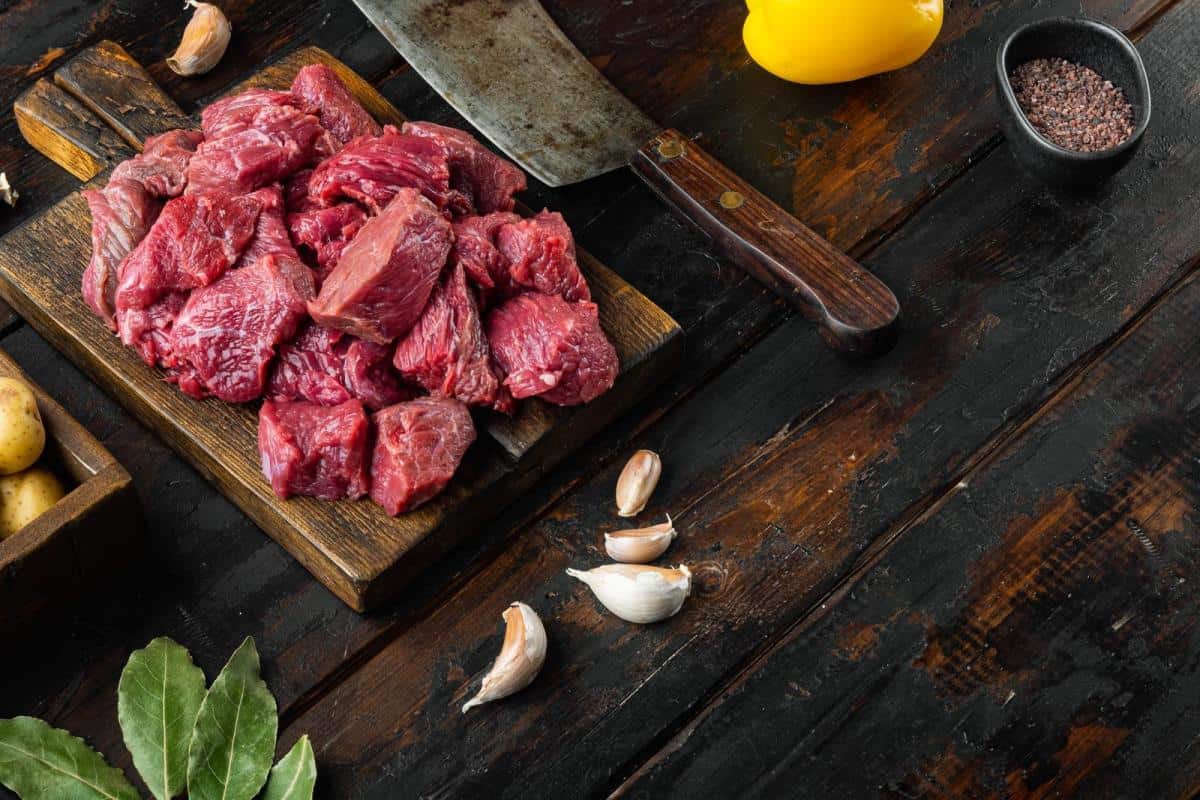
Beef chuck comes from the shoulder area of the cow, making it a good analog to pork shoulder. It's well-marbled and becomes tender with slow cooking, much like pork shoulder.
I've used beef chuck as a pork shoulder substitute in slow-cooker recipes with great success. The flavor is beefier, but the texture is quite similar. It works especially well in stews and pot roasts.
Best for: Beef roast is best for classic pot roast or slow-cooked stews, prized for its rich flavor and tender texture. It makes a good substitute for pork shoulder in dishes needing robust meatiness and depth of flavor.
Lamb Shoulder
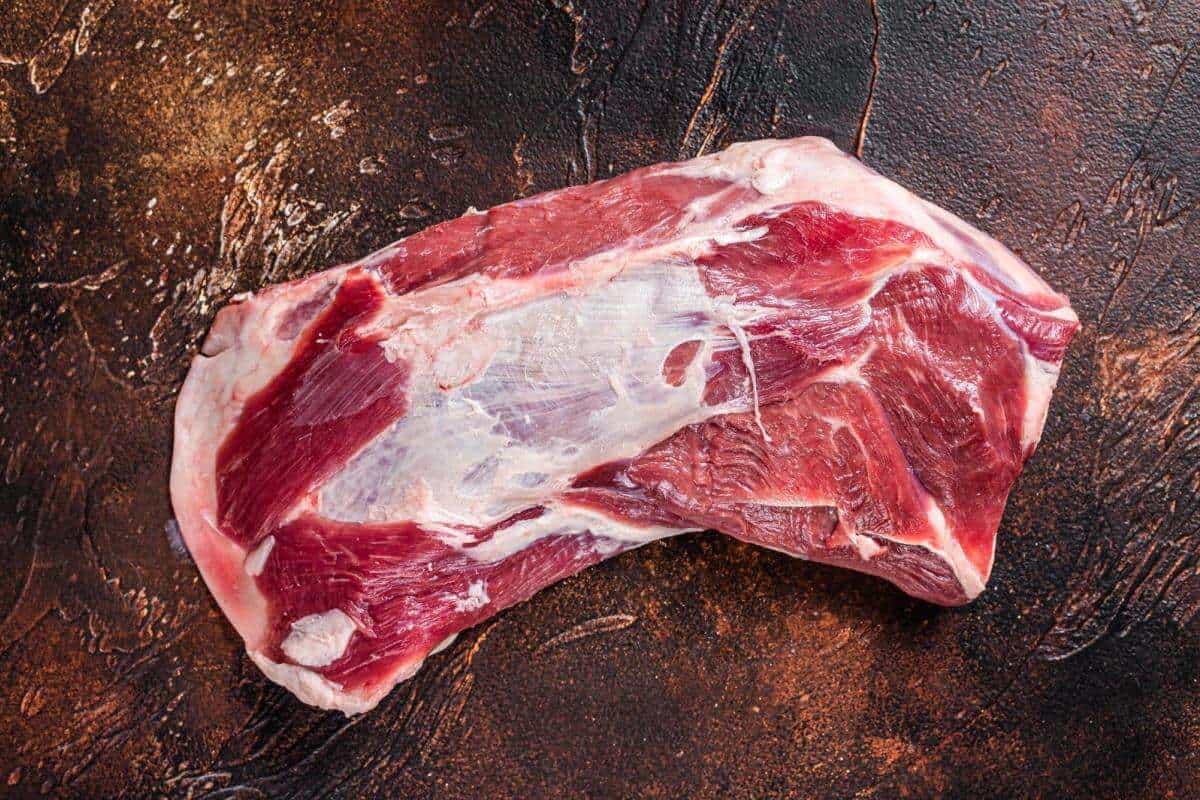
Lamb shoulder is another excellent pork shoulder substitute, particularly if you're a fan of lamb. Like pork shoulder, it has a good amount of fat and connective tissue that breaks down during slow cooking.
Remember that lamb has a stronger flavor than pork, so it might change your dish's overall taste. But in many cases, this can be a delicious variation on the original recipe.
Best for: Lamb shoulder is best for slow-cooked dishes like Moroccan tagine or Greek stifado, offering rich flavor and tender texture when braised or roasted. It makes a good substitute for pork shoulder with similar versatility and succulence in recipes.
Related: 7 Top Skirt Steak Substitutes for Delicious, Healthy Meals
Chicken Thighs
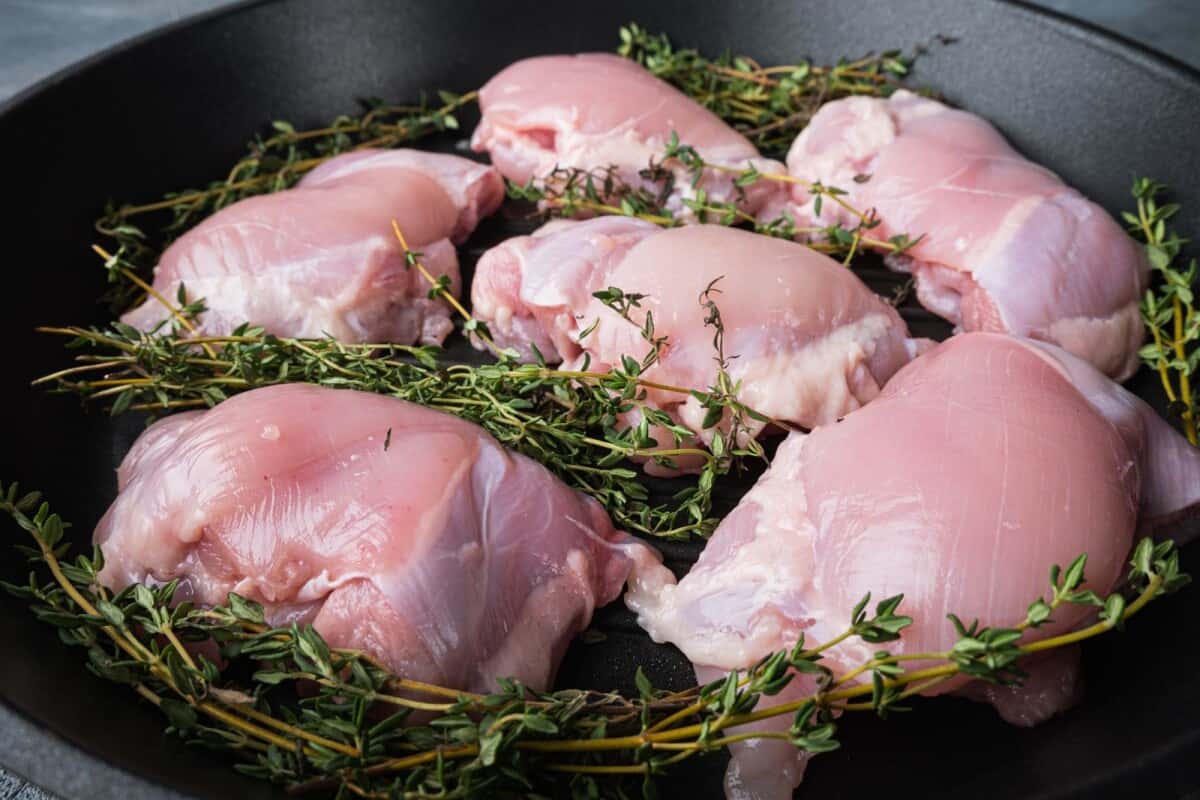
While chicken thighs don't have the same fat content as pork shoulder, they can work as a substitute in some recipes. They're more flavorful and moist than chicken breast, making them a better choice for slow-cooking methods.
If you're using chicken thighs as a pork shoulder substitute, you might need to adjust your cooking time. Chicken cooks faster than pork, so keep an eye on it to prevent overcooking.
Best for: Chicken thighs are best for dishes like braised chicken with vegetables or grilled marinated thighs, prized for their juicy texture and rich flavor. They make a good substitute for pork shoulder, offering a similar depth of flavor and succulence in recipes.
Related: Air Fryer Chicken Parmesan Recipe
Vegetarian and Vegan Substitutes
For those following a plant-based diet or looking to incorporate more meatless meals into your routine, several vegetarian and vegan options can stand in for pork shoulder in many recipes.
Jackfruit
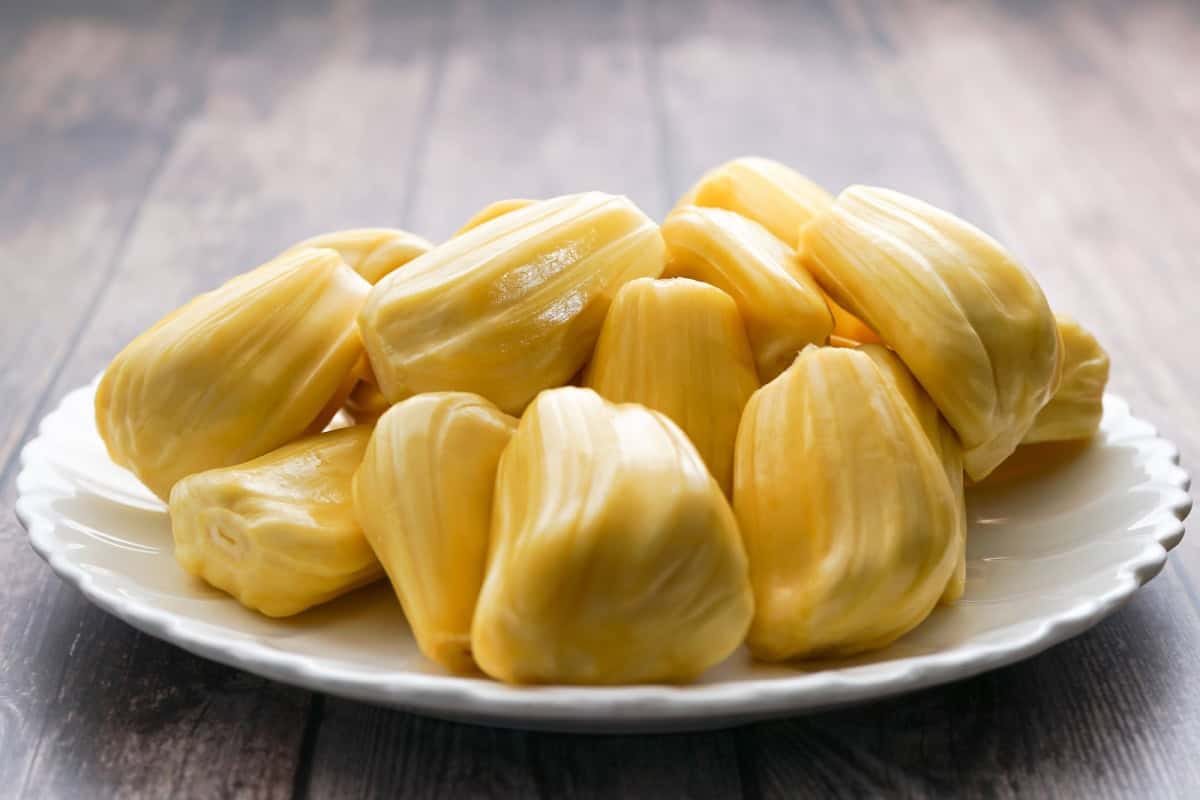
Jackfruit has become increasingly popular as a meat substitute, especially for pulled pork recipes. When cooked and shredded, it has a texture remarkably similar to pulled pork.
Young, green jackfruit works best as a pork shoulder substitute. It's usually available canned in brine or water. Drain it well, then season and cook it as you would pulled pork. It absorbs flavors well, so don't be shy with your seasonings.
Best for: Jackfruit is best for vegan pulled "pork" sandwiches or tacos due to its fibrous texture and ability to absorb flavors. It makes a good substitute for pork shoulder, offering a similar shredded texture and versatility in savory dishes.
Related: What To Substitute for Mushrooms: 17 Great Options To Use
Seitan
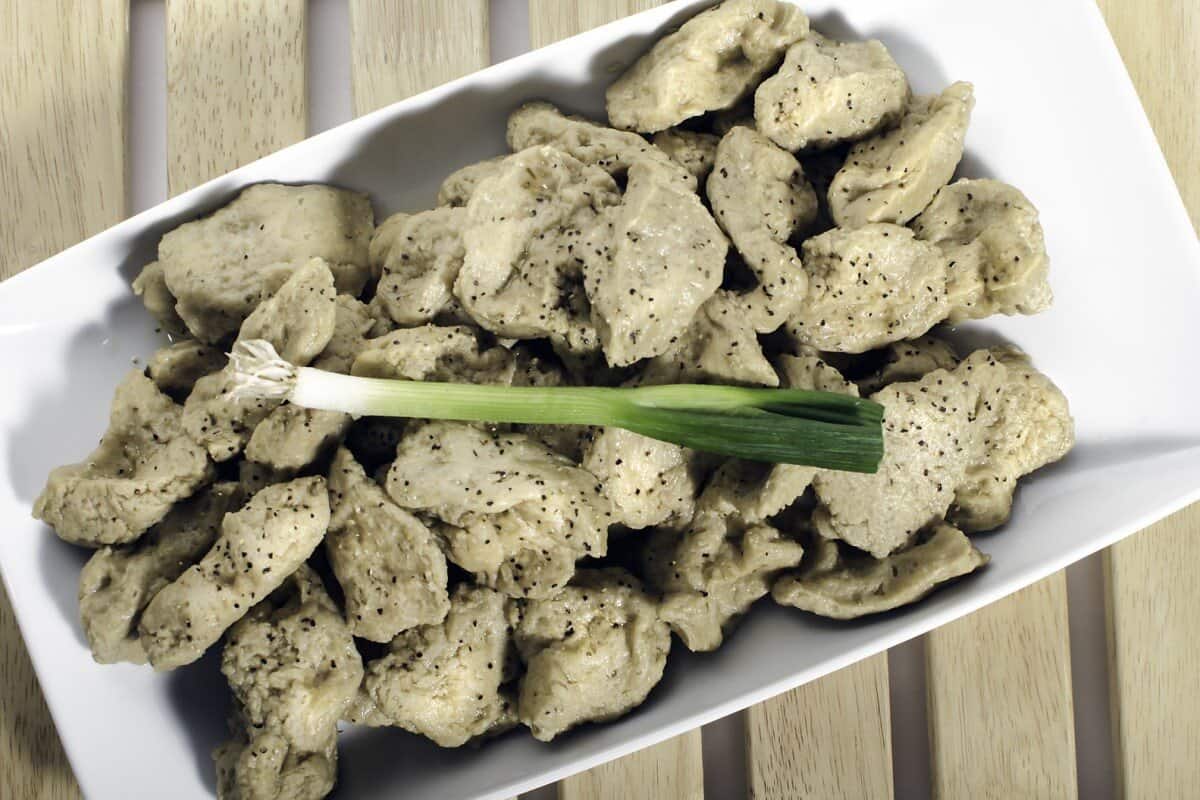
Seitan, also known as wheat gluten, has a meaty texture that can work well as a pork shoulder substitute in many recipes. It's high in protein and can be flavored in various ways to mimic different meats.
You can buy seitan pre-made or make it yourself from vital wheat gluten. It works well in stir-fries, stews, and even as a stand-in for pulled pork when shredded and mixed with barbecue sauce.
Best for: Seitan is best for vegan or vegetarian recipes like barbecue "pulled pork" sandwiches or stir-fries due to its chewy texture and ability to absorb flavors. It makes a good substitute for pork shoulder, providing a meaty alternative with similar versatility.
Related: Eggplant Substitute: Your Guide to Delicious Dishes
Adapting Recipes When Using a Pork Shoulder Substitute
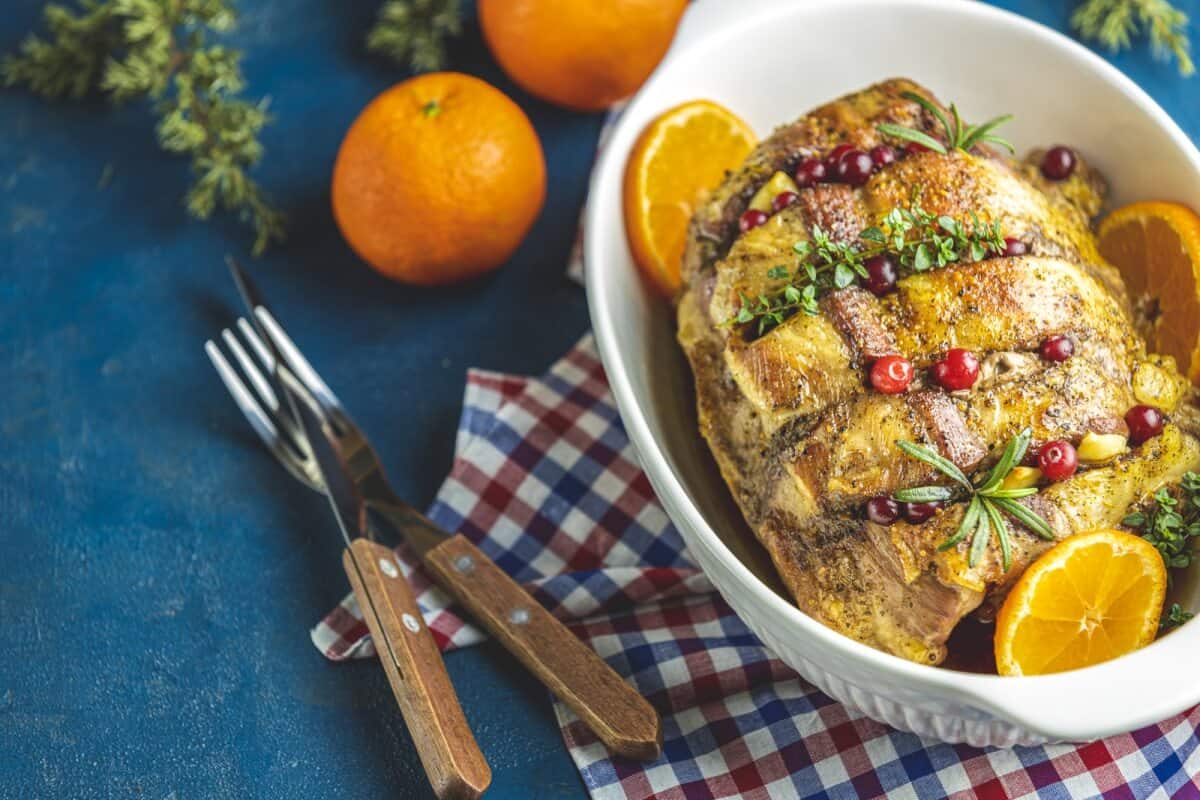
When you use a pork shoulder substitute, you might need to adjust your recipe. Here are some tips to help you get the best results:
Ground pork is another excellent substitute for pork shoulder. Cuts such as Boston butt, picnic cut, and shoulder are commonly used for ground pork due to their similar structure and suitability. You can also use top loin roast and top leg ham as substitutes for ground pork.
When adapting recipes, consider the fat content and texture of ground pork to ensure your dish maintains its intended flavor and consistency.
Adjusting Seasonings
When using a pork shoulder substitute, you might need to tweak your seasonings. Pork has a relatively mild flavor that takes on other flavors well. If you're using stronger-flavored meat like lamb or beef, you might want to adjust your spices accordingly.
For vegetarian substitutes like jackfruit or mushrooms, you'll likely need to increase your seasonings. These options don't have much flavor on their own, so don't be afraid to be generous with your spices and marinades.
Adding Fat
If you're using a leaner pork shoulder substitute, like pork loin or chicken thighs, you might want to add extra fat to your recipe. This could be oil, butter, or even bacon fat (if you're not avoiding pork altogether).
For vegetarian options, consider using coconut oil or a plant-based butter substitute to add richness to your dish.
FAQ's
The cut closest to pork shoulder is pork butt, also known as Boston butt. Despite its name, it actually comes from the upper part of the pig's shoulder and has very similar characteristics to pork shoulder. Picnic shoulder, which comes from the lower part of the pig's shoulder, is also quite similar.
While you can substitute pork loin for pork shoulder, it's important to note that pork loin is much leaner. This means it can dry out more easily, especially during long cooking times. If you use pork loin as a pork shoulder substitute, you might want to add extra fat to your recipe and be careful not to overcook it.
Pork shoulder can be called several names in a grocery store, which can be confusing. You might see it labeled as pork shoulder, pork butt, Boston butt, or picnic roast. Sometimes it's also called pork blade roast, especially if it comes from the upper part of the shoulder near the loin.
Conclusion
Finding the right pork shoulder substitute doesn't have to be a headache. Whether you're looking to switch up your protein source, accommodate dietary restrictions, or work with what you have, there are plenty of options available.
The cooking method is understanding the characteristics of pork shoulder—its rich flavor, high-fat content, and ability to become tender with slow cooking—and finding alternatives that can mimic these qualities.
So the next time you're faced with a recipe calling for pork shoulder and need a pork shoulder substitute, don't panic. You've got options, and now you know how to use them. Happy cooking.


Leave a Reply