


Ever found yourself staring at a recipe that calls for canola oil, only to realize your pantry is bare? Or maybe you're seeking other ingredients for health or flavor reasons? A substitute for canola oil is likely easier to find than you think.
Grapeseed oil can work when you having trouble finding a decent substitute, but there are additional options you can use. Read on for more!
What is Canola Oil?
Canola oil comes from the seeds of the canola plant. It's considered a versatile cooking oil. The mild taste makes it adaptable to many dishes, from baked goods to savory dishes.
But the canola oil cooking process is often highly processed. Also, while deemed safe, some avoid it due to potential health effects linked to the high omega-6 fatty acid content.
Linoleic acid, an omega-6 fat found in high amounts in canola oil and most other vegetable oils, can be harmful and increase inflammation. Evidence also points out the harm in byproducts in omega-6 fats too.
Best Substitutes for Canola Oil
Check out this next section for an overview of various cooking oil substitutes, considering smoke points, flavors, and nutritional profiles. Because personal preferences vary, you have choices based on your goals, dietary concerns, taste, etc:
1. Grapeseed Oil
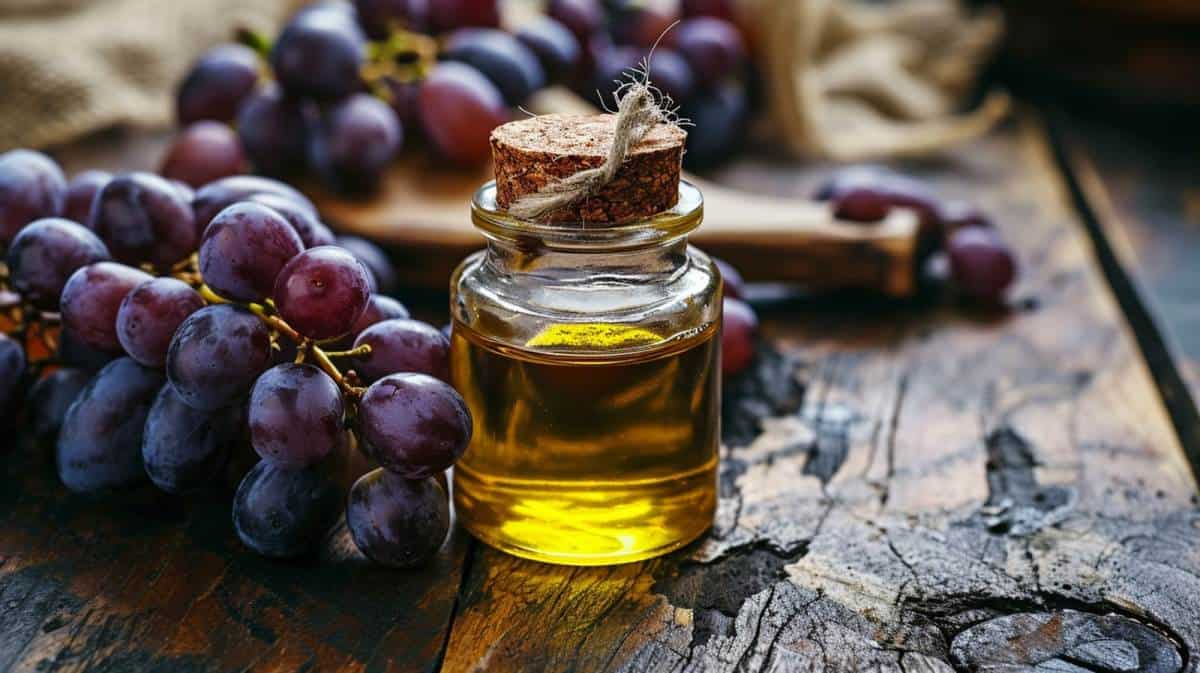
Grapeseed oil comes from the seeds of grapes and is produced mainly by the winemaking industry. Its flavor is incredibly neutral, and works for everything you need from roasting to cooking and making dressings.
This oil mirrors canola's neutral taste profile and works well with cooking techniques, from salad dressings to baked goods and marinades. It's my go to, a good substitute when I don't want any trace of an oil aftertaste. Use oil grapeseed oil as a 1:1 substitute for canola oil.
Best for: Grapeseed oil is a good alternative for canola oil especially in salad dressings or in baked goods.
2. Vegetable Oil
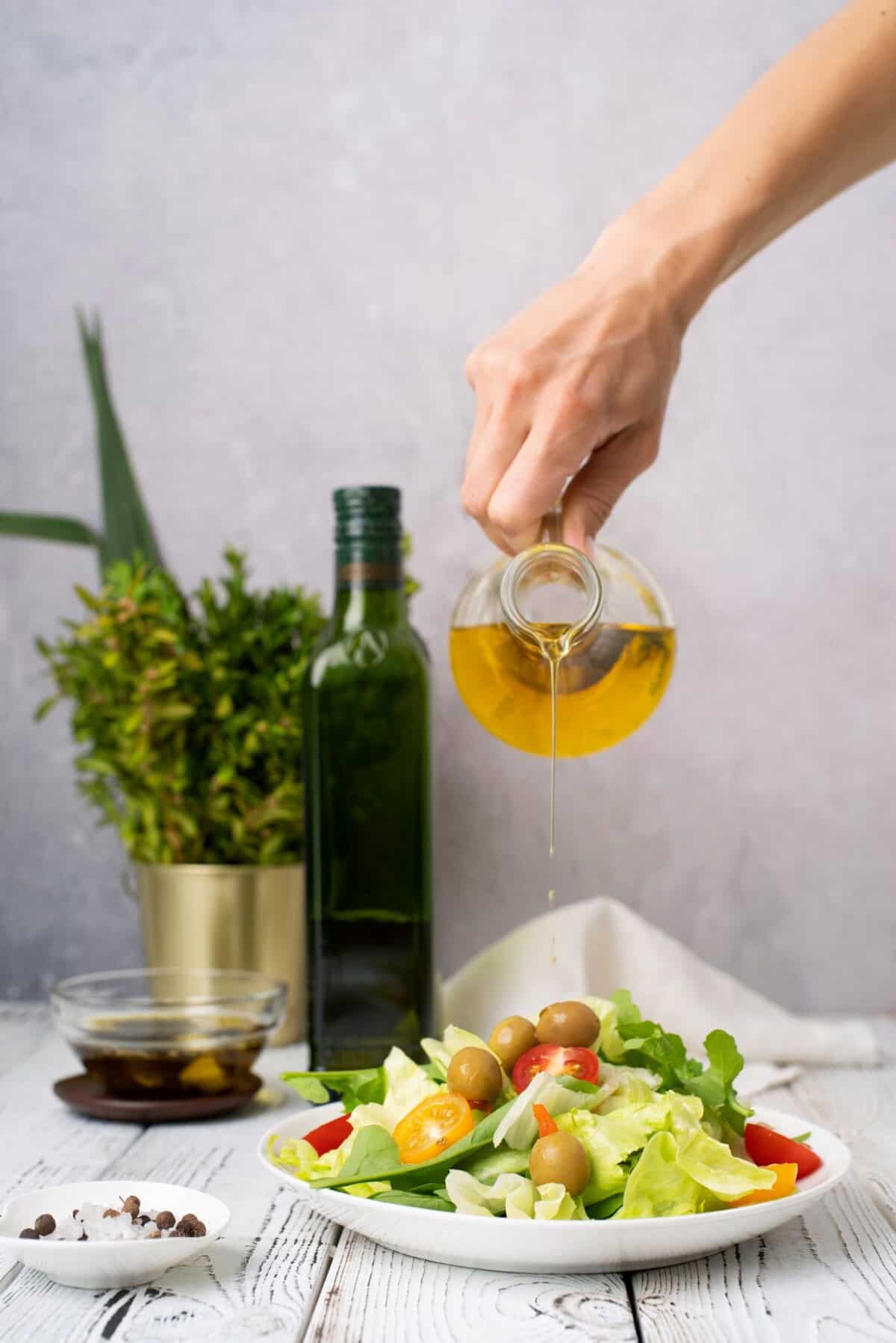
Often a blend of various seed oils like soy, corn, and sometimes even canola itself, vegetable oil shares canola oil’s mild taste. This interchangeability comes at a cost, as this oil also tends to be highly processed.
If that’s your only choice, substitute canola oil for the same measurement, but know you are not moving the needle far when making a swap.
Best for: Vegetable oil can replace canola oil in general cooking and baking, like cakes, where a neutral taste is needed.
Also read: What Is the Best Substitute for Vegetable Oil in Brownies?
3. Sunflower Oil
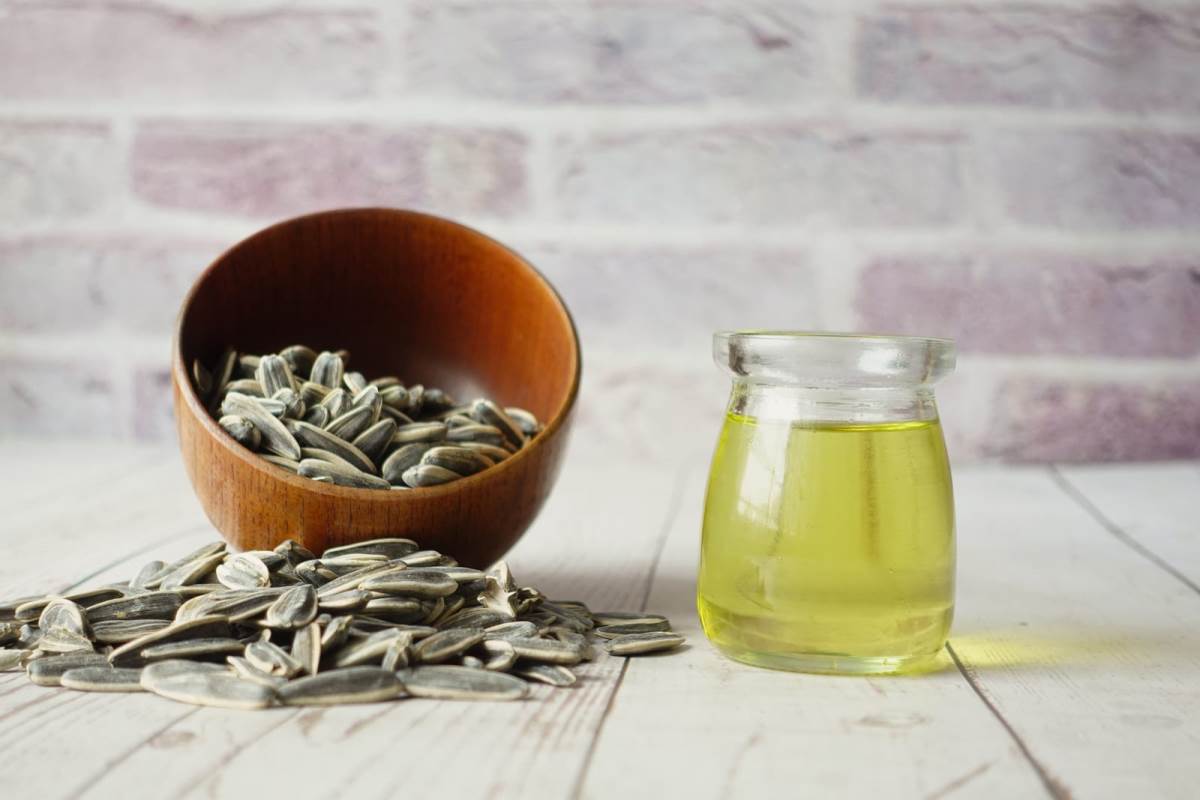
Pressed from sunflower seeds, sunflower oil gives a light, barely-there flavor, close to that of canola oil. A neutral flavored oil is useful when preparing fresh dressings or even homemade mayonnaise.
Its high smoke point makes it perfect for frying, sautéing, and even baking, much like canola. Keep in mind, worldwide production for many common vegetable oils, like sunflower and rapeseed, are very common because they are cheap, not because they have flavor or other positive cooking properties.
Best for: Sunflower oil is one of the better canola oil substitutes for recipes requiring high heat, such as my Air Fryer Sweet Potato Fries, where the oil's own flavor won’t dominate.
4. Safflower Oil

Safflower oil, extracted from safflower seeds, stands out. It’s an often overlooked neutral tasting oil with incredible benefits and an impressive smoke point of around 500° F.
Because of it's high heat cooking tolerance, it makes deep frying and searing food easy. As a substitute canola oil, swap in equal measurements. While safflower oil might be a healthy choice, it is low in saturated fats.
Best for: Safflower oil works well to replace canola oil in deep frying chips, and high-heat cooking or baking.
Also see: A Guide to the Best Safflower Oil Substitutes in Recipes
5. Avocado Oil
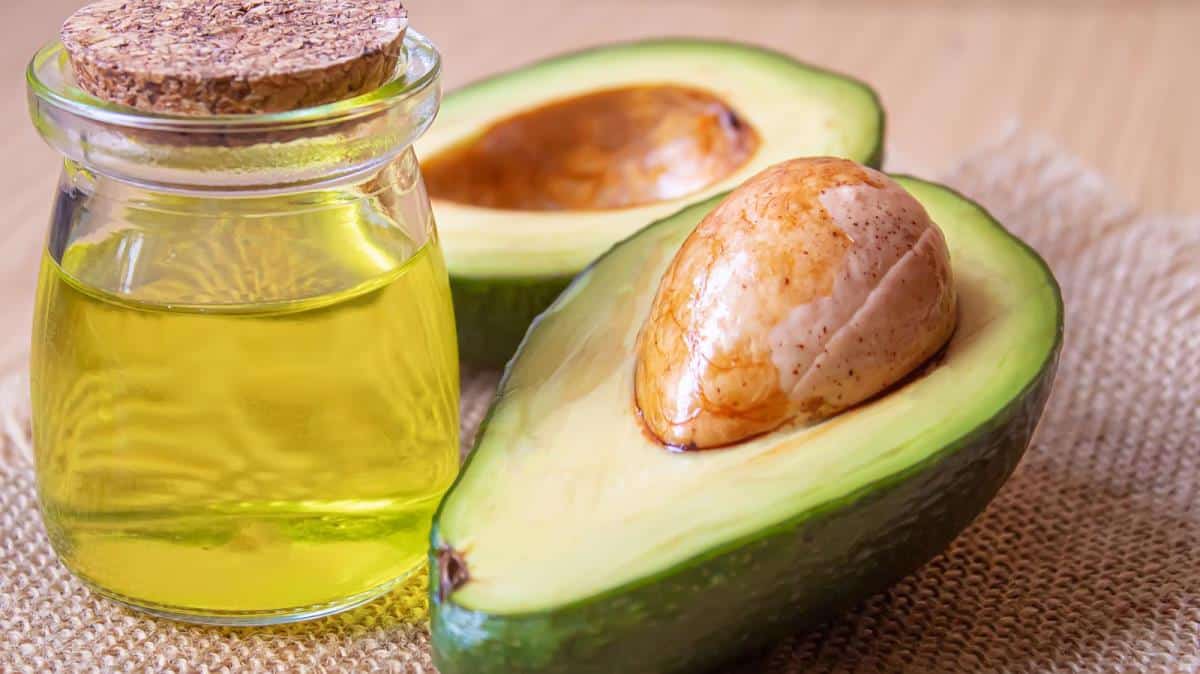
Derived from the pulp of avocados, not the seeds, oil avocado oil has an ever-so-slight buttery note. Some brands may taste very different, even having more avocado flavoring, which depending on your goals might not work well. Refined oil avocado oil generally offers a much more neutral flavor, similar to canola oil.
But most of the time, the refined avocado has a higher smoke point, be sure though you’re reading the label correctly so it performs well.
Best for: Avocado oil is perfect to swap with canola oil for Parmesan Crusted Chicken, sauteing and even baking.
6. Olive Oil
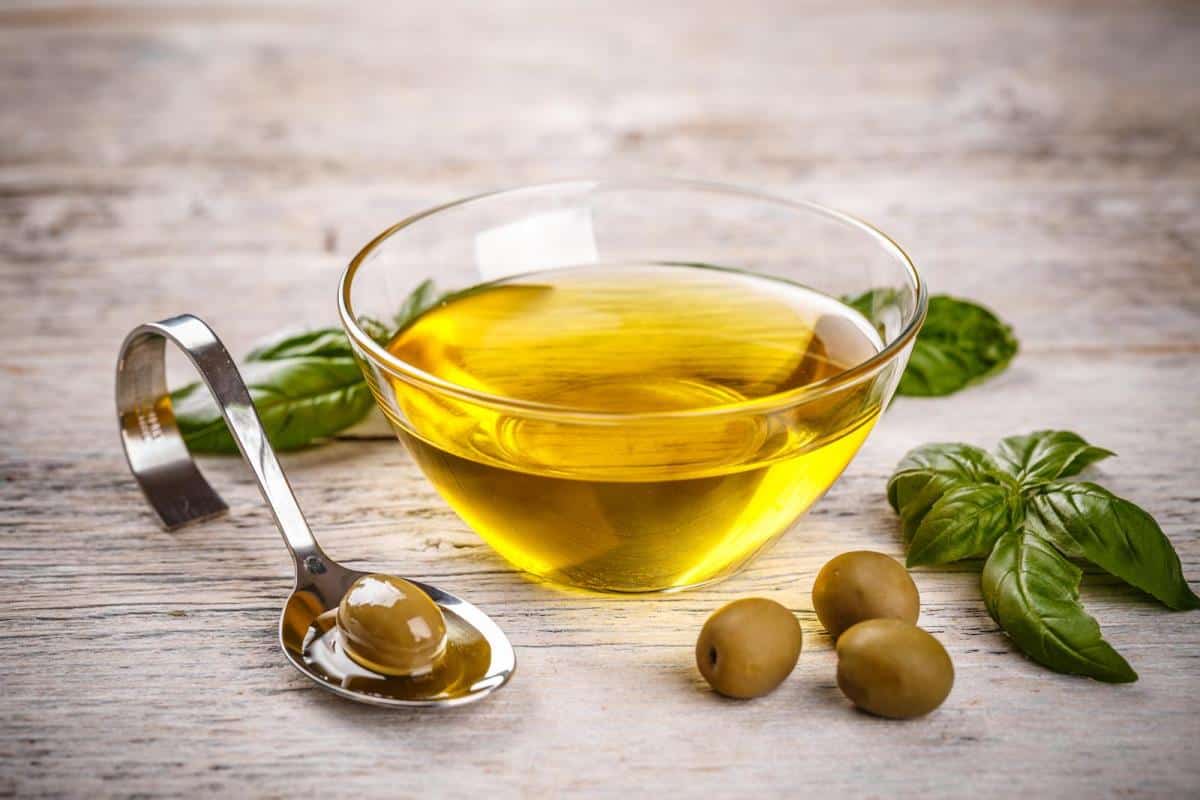
Olive oils provide a range from mild taste to robust flavor and various uses. Light olive oil can be a solid canola oil substitute. Olive oil works in mysterious ways that doctors still don't completely understand.
But its stronger taste impacts recipes that need a neutral oil. When substituting canola oil with olive oil, use it at a 1:1 ratio for pretty much any cooking process.
Extra Virgin Olive Oil
Extra virgin olive oil, the least processed form, boasts a low smoke point making it not the best candidate for deep frying. Heating this oil excessively diminishes the flavor notes and creates bitterness, an unwanted trait for the cooking oil in many recipes.
Best for: Extra virgin olive oil can replace canola oil in recipes like pan fried lamb chops, or even dressings, dips, and low-heat cooking.
Light Olive Oil
Light olive oil might sound deceptive. This oil is the exact same oil from the olive, but refined, offering more subtle notes. Light doesn't reflect calories or how healthy the oil is for consumption.
It is also considered one of the healthier of the oil choices. Keep in mind though, with olive oils up to 69% of imported extra-virgin oil is diluted with other oils.
Best for: Light olive oil works as a swap for canola oil in recipes like roast beef, as well as sautéing.
7. Coconut Oil
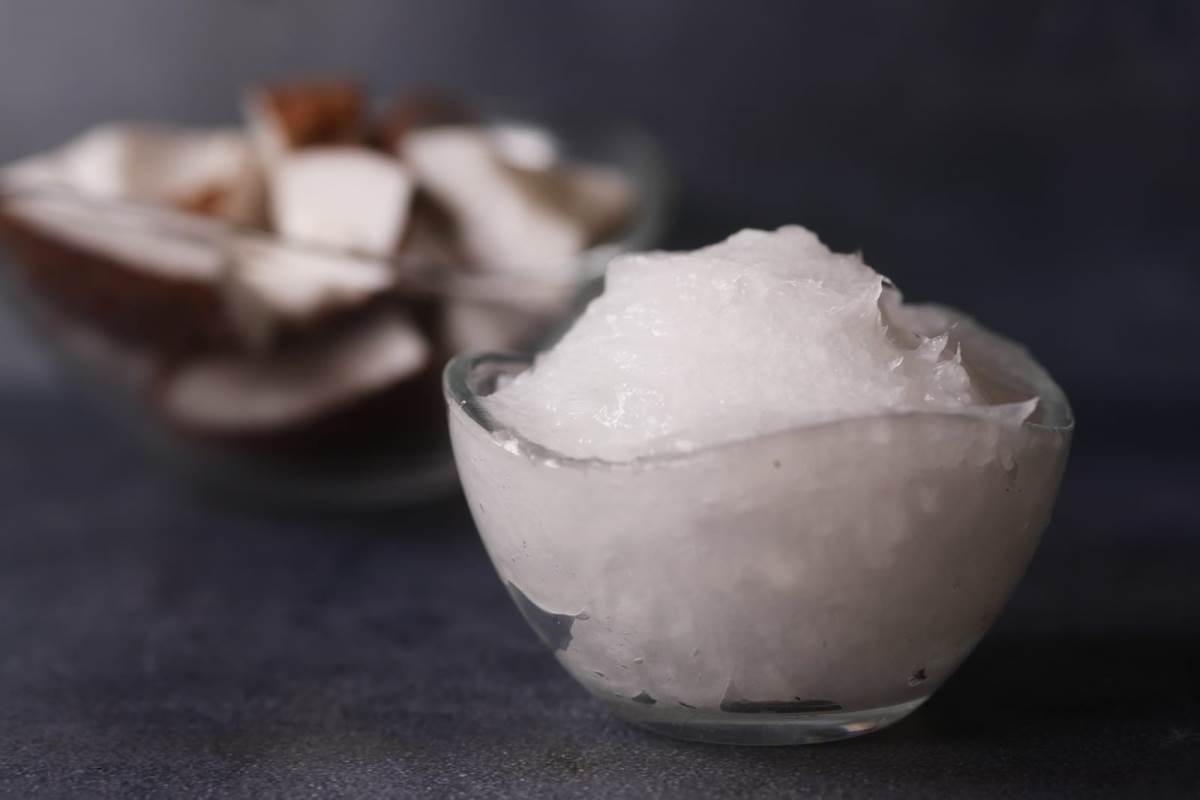
Coconut oil comes in two primary types. Refined coconut oil has less of a taste with a high smoke point than virgin coconut oil or unrefined.
The aroma can transport you to the tropics, great for some desserts and muffins. Know too that virgin coconut oil has solid form at room temp so best used for baking or frying in equal proportion.
Best for: Coconut oil can work well as a canola oil substitute in baking, adding a subtle flavor to curries, or using it in recipes where the coconut profile compliments other ingredients.
Try these in these Chocolate Chip Cookies.
Check this out: 7 Best Substitute for Coconut Oil: Healthier Cooking Options
8. Peanut Oil and Rapeseed Oil

Other oils with fairly high smoke points are rapeseed oil (yes, canola comes from rapeseed), peanut oil, and even corn oil. Peanut oil's higher smoke point oils make them excellent for frying and sautéing, but like many other oils, can still fall prey to concerns of high omega-6 contents.
Comparison of Canola Oil and Alternatives
| Oil Type | Smoke Point (°F) | Flavor Profile | Best For | Substitution Ratio (vs. Canola) |
|---|---|---|---|---|
| Canola Oil | 400 | Neutral | General cooking, baking, frying | N/A |
| Grapeseed Oil | 420 | Neutral | Salad dressings, baking, sautéing | 1:1 |
| Vegetable Oil | 400-450 | Neutral | General cooking, baking, frying | 1:1 |
| Sunflower Oil | 450 | Mild | Frying, sautéing, baking | 1:1 |
| Safflower Oil | 510 | Neutral | High-heat cooking, deep frying | 1:1 |
| Avocado Oil | 520 | Mild, Buttery | High-heat cooking, roasting, grilling | 1:1 |
| Extra Virgin Olive Oil | 375 | Robust, Fruity | Dressings, dips, low-heat cooking | 1:1 |
| Light Olive Oil | 470 | Mild Olive | General cooking, Sauteing | 1:1 |
| Coconut Oil (Refined) | 450 | Neutral to Mild Coconut | Baking, sautéing, medium-heat frying | 1:1 |
| Peanut Oil | 450 | Mild, Nutty | Frying and Stir-Frying | 1:1 |
| Melted Butter | 350 | Rich, Buttery | Baking, sautéing, finishing dishes | 1:1 |
9. Butter and Other Solid Fats
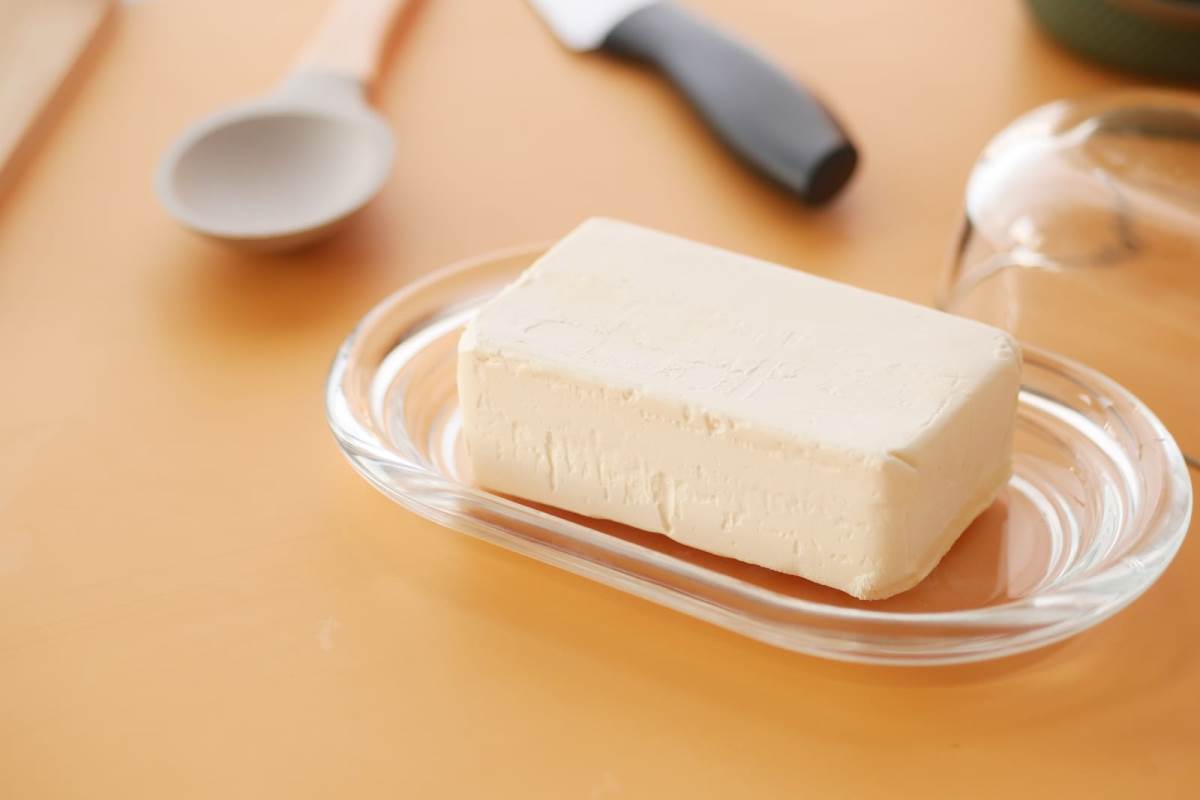
Using butter gives any recipe a better taste (my biased opinion of course). It changes the taste significantly. You would think with that comes some tradeoffs and it does, mostly with its smoke point, 300F, better used in low heat situations like a pastry or other baking needs.
Clarified butter or ghee on the other hand works much better as a frying candidate. Making it is easy, just melt the butter, and skim off the separated parts and keep only the remaining golden fat. The benefits though in using this go even further giving an increased shelf life by removing the milk solids.
Adding fruit puree like applesauce can work as well. See below:
10. Applesauce

A not so obvious candidate, but fruit puree actually does work. While applesauce is a great way to make some baking goods healthier by removing the oil, do know that it also makes the consistency very different than the original and can lead to denser recipes?
In baking recipes, when substituting canola oil for applesauce, use an even amount. Note too though, this can alter a recipe a lot and will not work for all recipes. You will not be able to use applesauce in place of canola oil in all baking recipes.
Baking time will have to be reduced by about 25%. Do not try to use this alternative for any non-baked goods.
Related: Applesauce Substitute In Baking: 10 Ideas for Delicious Treats
FAQ's
Yes, but use light olive oil instead of extra virgin, as it has a higher smoke point and won’t overpower the dish with its strong flavor.
Organic canola oil is free from synthetic pesticides and GMOs, making it a healthier choice if you prefer minimally processed ingredients.
Conclusion
Whether you are thinking of healthier alternatives or other choices based on preferences, know that a substitute for canola oil is not complicated. From oil avocado oil to oil grapeseed oil to even common vegetable oil, these replacements get the job done. Every oil gives a cooking experience that lets a chef consider the impact on flavor.


Recipe

Substitute for Canola Oil
Equipment
- 1 Small bowl
- 1 Spoon
Ingredients
- 1 tablespoon vegetable oil
- 1 tablespoon avocado oil
- 1 tablespoon olive oil (for low-heat cooking)
- 1 tablespoon coconut oil (melted, for baking)
- 1 tablespoon sunflower oil (optional)
Instructions
- Pour 1 tablespoon of vegetable oil into a small bowl.
- If you prefer a healthier alternative, swap vegetable oil with avocado oil for a neutral flavor.
- Use olive oil as a 1:1 substitute for canola oil in dressings and low-heat cooking.
- For baking, melted coconut oil works as a great substitute and adds a mild sweetness.
- Sunflower oil is another excellent option with a mild taste and a similar smoke point to canola oil.
- Stir the ingredients together and use as a substitute for canola oil in your recipe.
Notes
- Avocado oil is ideal for high-heat cooking due to its high smoke point.
- Olive oil has a stronger taste but works well in dressings and sautéing.
- Coconut oil adds a slightly sweet flavor, making it great for baked goods.
- Sunflower oil is a mild, versatile substitute that works in most recipes.
You can find the video in the post above. If you don't see a video, please check your browser settings.
Leave a Reply