

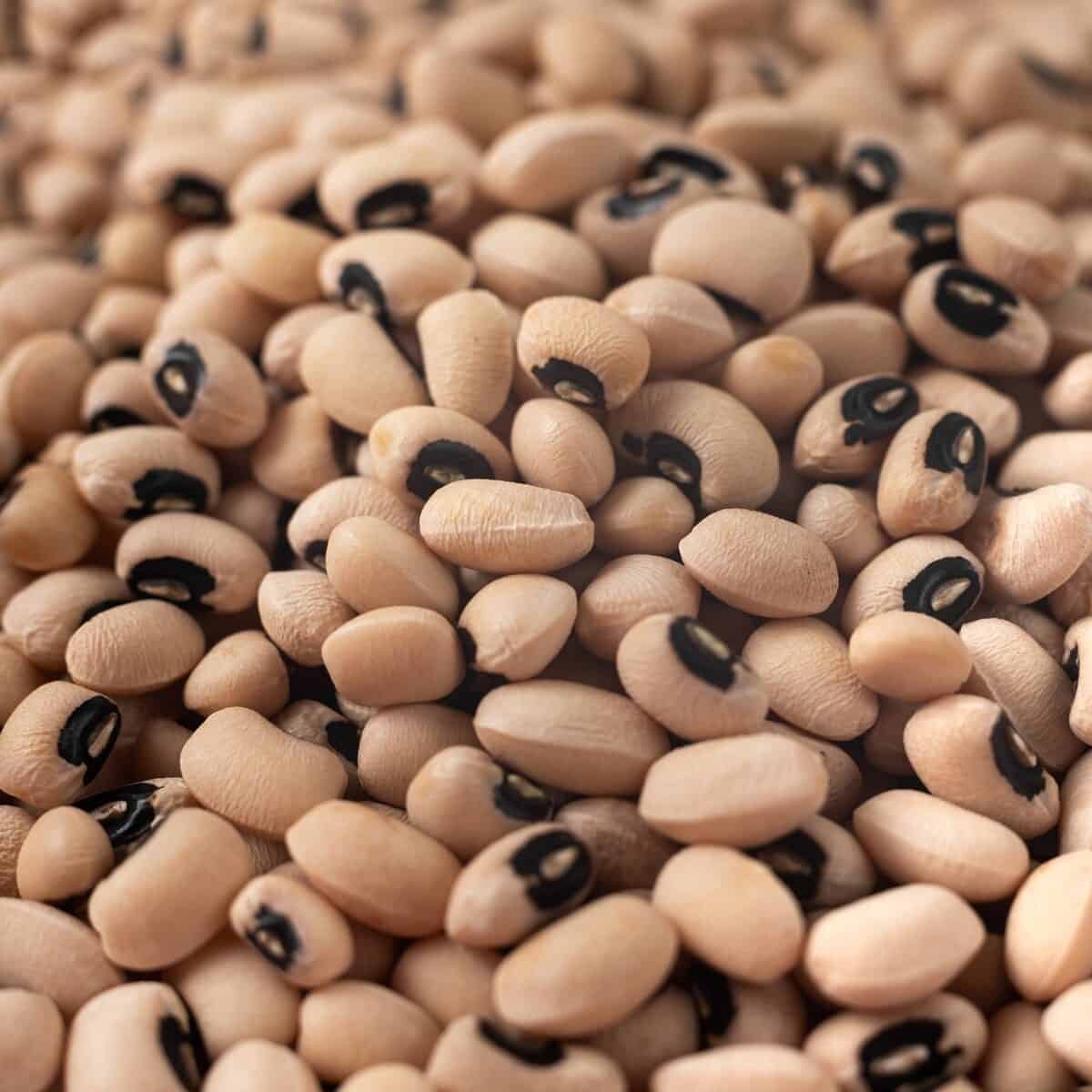
Disaster strikes - you're gearing up to make your grandmother's legendary Hoppin' John, but the pantry's glaring back at you with not a single black eyed pea in sight. That might seem like the end of that soul-warming dish, but with the right black eyed peas substitute, it’s just an unexpected twist in your culinary journey.
Pinto beans bring heartiness to any plate; they're a classic. But are lima beans or Romano beans an acceptable replacement? Can humble green beans replace black eyed peas?
And what's the difference between all these beans and peas anyway?
I'm about to explain, so keep reading.
Jump to:
Understanding Black Eyed Peas in Cuisine
Black eyed peas are a staple in kitchens from the Southern United States to West Africa. Known for their distinctive flavor and versatility, they bring more than just good luck to your New Year's Day meal—they pack a punch of nutrients too.
Their earthy taste with a hint of nuttiness complements an array of spices and ingredients. This makes them ideal for dishes like Hoppin' John or as the star in a hearty stew.
But it's not just about taste; these peas are loaded with fiber and protein which can support digestive health and keep you feeling full longer.
Sometimes though, whether due to dietary restrictions or simply because you're fresh out of them, finding a stand-in for black eyed peas is necessary. That’s where knowledge of substitutes comes into play—it can save dinner.
A good black eyed peas substitute should mirror the original ingredient’s texture and ability to soak up flavors while maintaining nutritional value. It turns out there are several beans that fit this bill nicely.
The 9 Best Black Eyed Peas Substitutes
Having a ready stock of ingredient substitutes is a no-brainer for a home chef.
These are my favorite replacements for black eyed peas - you're almost guaranteed to have at least one of these kicking around in your store cupboard.
1. Pinto Beans

When you're out of black eyed peas, pinto beans step up to the plate with gusto.
They bring a creamy texture and earthy flavor that pairs well with many dishes traditionally made with their black-eyed cousins. But it's not just about taste—pintos pack a punch in nutritional value too.
A staple in Mexican cuisine, pinto beans are versatile enough to cross culinary borders. Think soups, stews, or even salads; these beans hold their own.
Sure, pintos may take a tad longer to cook than black-eyed peas but consider this: they absorb flavors like a sponge during simmering. So if your recipe calls for some spice or herbs, expect these little guys to soak it all up beautifully.
And let's talk health because pintos come loaded with fiber and protein just like black eyed peas do. The US Department of Agriculture's nutritional comparisons show similar benefits between the two legumes which makes swapping them easy peasy.
Best for: A fantastic choice for Mexican cuisine; perfect in ground beef burritos. Great to add texture and flavor to any soup or stew, and surprisingly good in salads. A natural, creamy alternative for Southern dishes.
Best for enhancing Mexican dishes, especially ground beef burritos, and adding a unique touch to soups, stews, salads, and Southern cuisine with its natural, creamy texture.
2. Fresh Lima Beans
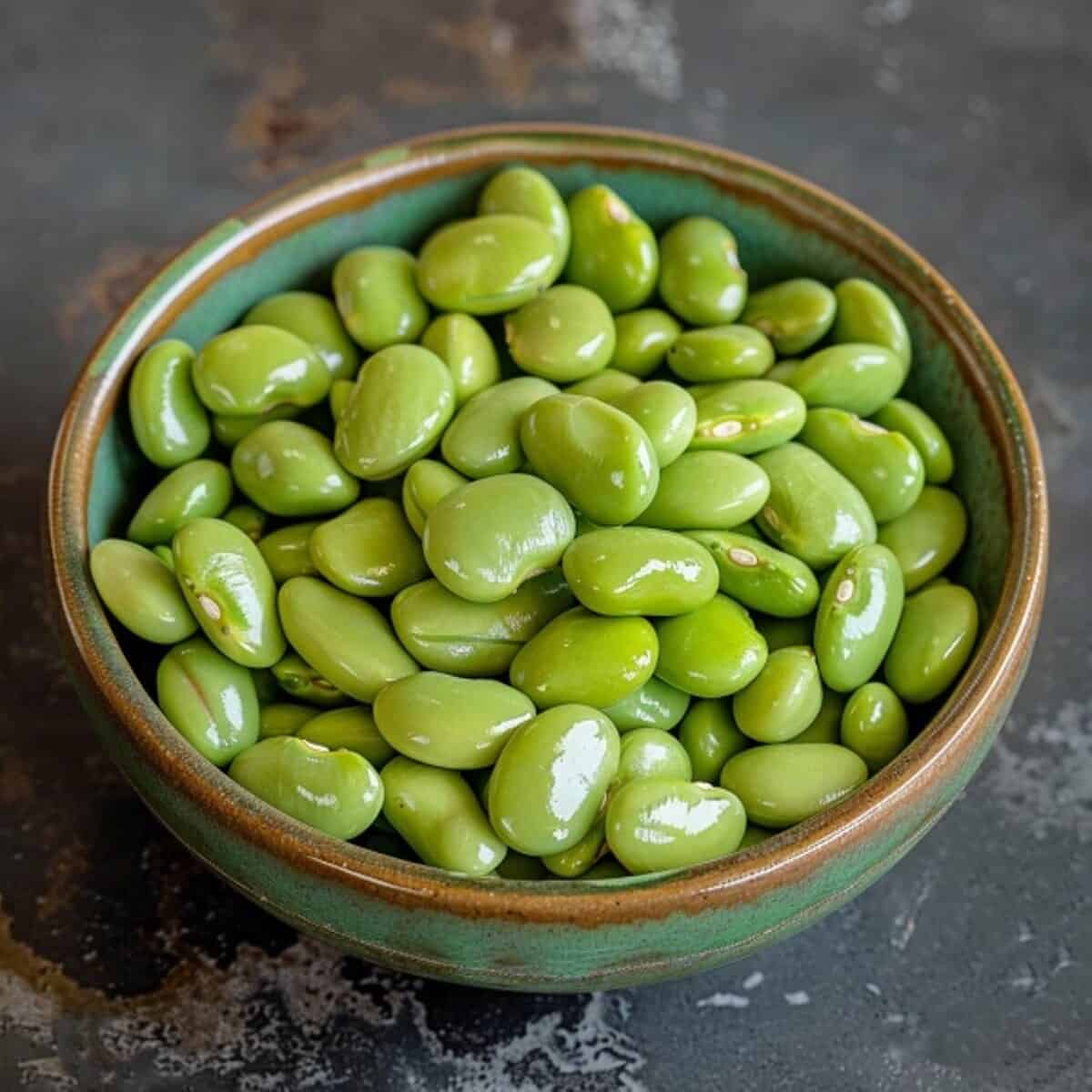
Fresh lima beans are more than just a stand-in; they bring their own buttery flavor to the table.
So why do they work so well as substitutes for black eyed peas? It all boils down to texture and taste. Fresh lima beans have this creamy quality that mimics the starchy goodness of black eyed peas but with an extra hint of sweetness. Nutritionally, they're packed with fiber and protein, making them a hearty addition to any meal.
Next time you’re at the store, grab some fresh limas and give them a go—you might just find yourself reaching for them even when you've got plenty of black eyed peas.
Best for Italian soups and stews, elevating salads and Southern dishes with a buttery, slightly sweet taste. Ideal for Texas Caviar and burrito bowls, especially when paired with chunky guacamole.
3. Purple Hull Peas
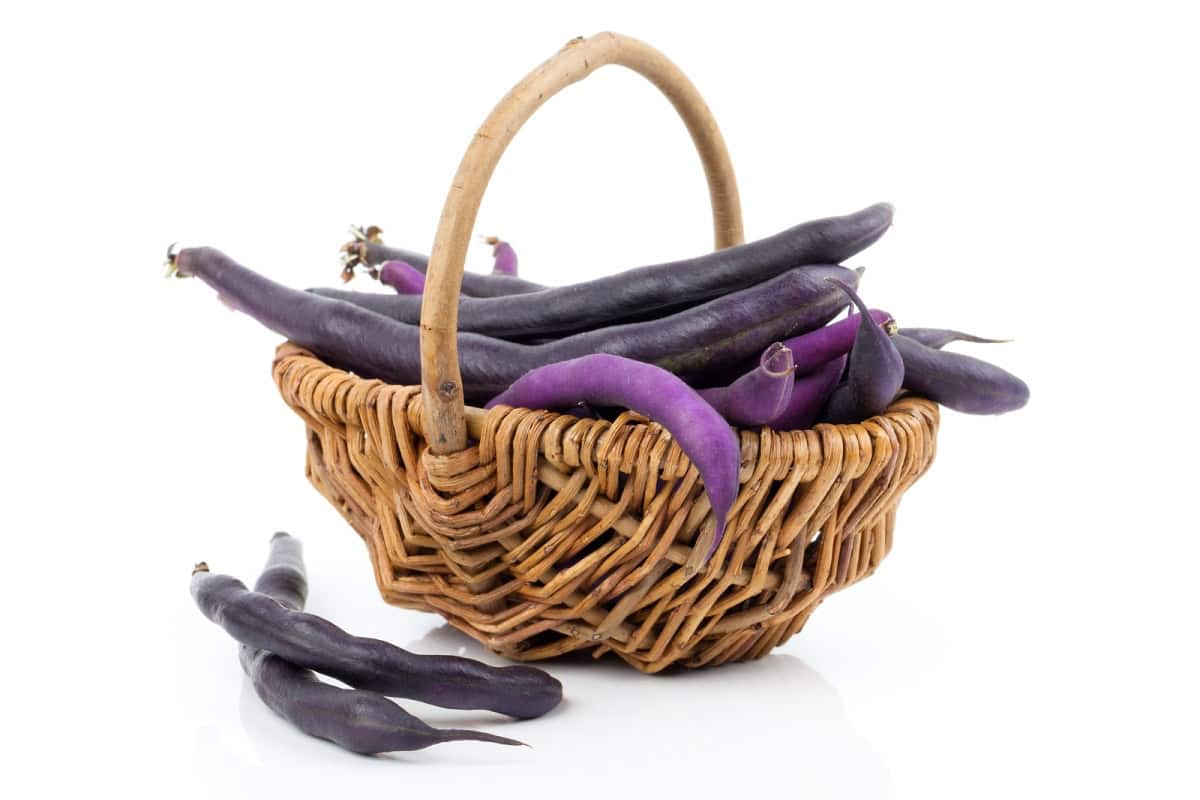
Purple Hull peas bring a similar earthy flavor and hearty texture that can jazz up any dish meant for their more famous cousin. But why exactly do they make such a great substitute for black eyed peas? Let's break it down.
First off, if you're whipping up something traditional like Hoppin' John or a summer pea salad, swapping in Purple Hull peas won't leave your taste buds confused. They have this subtle sweetness paired with an umami depth that makes them versatile enough for both warm dishes and cold salads.
Plus, just like black-eyed peas, they're packed with protein and fiber which means you'll be full without feeling weighed down.
The kicker is how these legumes play well with other ingredients. Toss them into soups or stews where they absorb flavors like culinary sponges while keeping their shape better than some beans who shall not be named (we’re looking at you navy beans).
They also add a lovely splash of color – those vibrant hues peeking through in your meals add visual appeal that elevates your plating game from home cook to foodie artiste.
Best for enriching Hoppin' John and Southern classics, maintaining shape in soups, and enhancing the flavour of stews and pea salads.
4. White Acre Peas
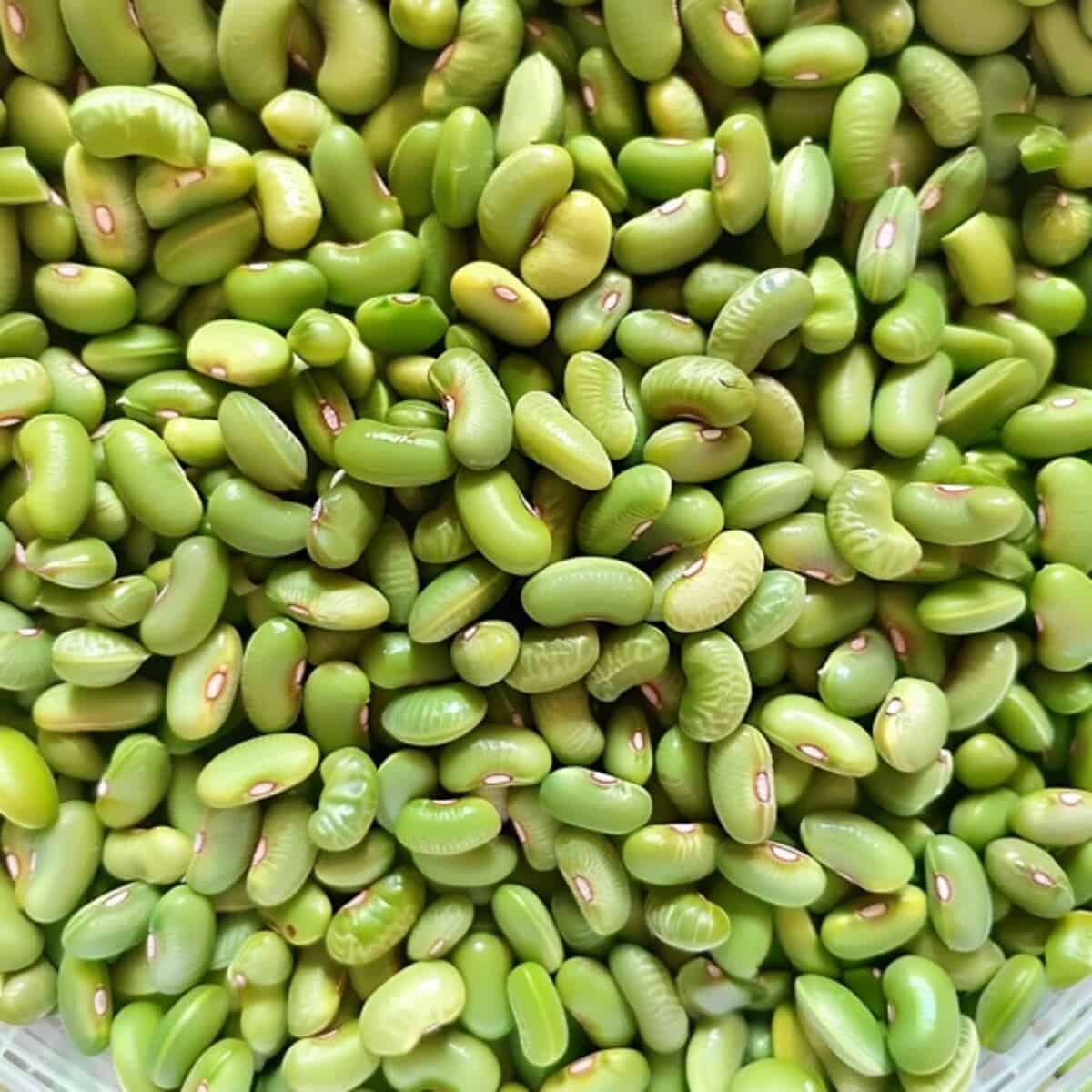
When you're looking to shake things up in the kitchen, substituting black eyed peas with white acre peas is like swapping out your favorite classic rock tune for a smooth jazz number.
White acre peas have a buttery flavor and tender texture that make them a crowd-pleaser on any plate. They cook up nicely and hold their shape well, which means they can step into stews, salads, or sides without missing a beat. Imagine a delicious white acre pea side salad with some air fryer taquitos - perfect.
Why reach for white acre peas? For starters, these little gems are packed with nutrients just like their musical counterpart—black eyed peas—but bring in subtle notes of earthiness that play well with other ingredients. Whether you've got dietary restrictions or simply crave variety, these legumes will keep your meals interesting.
And because we all need quick wins sometimes: they cook faster than many dried beans—so you'll get from prep to table before your playlist ends.
Best for enriching rich, earthy stews, adding a unique twist to Southern and Mexican cuisine, and ideal in South American dishes, side dishes, salads, and garnishes.
5. Fresh Romano Beans

When your recipe calls for black-eyed peas and you find the cupboard bare, fresh Romano beans swoop in to save the day. These flat, wide beans pack a flavor punch that's mild yet distinctively nutty—just what you need to keep your dish on track without missing a beat.
Not only do they bring gusto to the table, but their texture is also spot-on. They hold up like champs under heat which makes them perfect for soups and stews where black-eyed peas would typically shine.
Plus, if we're talking health benefits, these green beauties are loaded with fiber and protein—a win-win. Studies have shown that swapping in legumes like Romano beans can help maintain heart health thanks to their cholesterol-lowering effects.
So next time those black-eyed peas play hide and seek with you, reach for some fresh Romanos; your taste buds (and heart) will thank you.
Best for soups where they retain shape, imparting a nutty flavor to meaty stews, slow-cooked sauces, Hoppin' John, and hearty Italian dishes.
6. Kentucky Wonder Beans

Kentucky Wonder beans are truly a wonder in stews and make a fantastic substitute for fresh or dried black eyed peas. Known for their versatility in the kitchen, these beans pack a punch with a robust flavor that can stand in admirably for their better-known legume cousin.
So why do Kentucky Wonders work so well as substitutes? For starters, they have a similar earthy taste and creamy texture once cooked, which means they blend seamlessly into dishes traditionally featuring black-eyed peas.
If you’re after nutritional value, Kentucky Wonders brings plenty to the table. They come loaded with fiber and protein just like black-eyed peas - Healthline identifies that this is essential to keeping your gut happy while helping maintain muscle mass.
And all without missing a beat on taste or consistency in your favorite recipes.
Whether it's simmered slowly in soups or tossed into salads for some extra oomph, these beans prove time and again that they've got what it takes to fill those pea-sized shoes.
Best for Southern classics like Texas Caviar and Hoppin' John, enhancing chili, and adding a refreshing element to salads.
7. Cannellini Beans
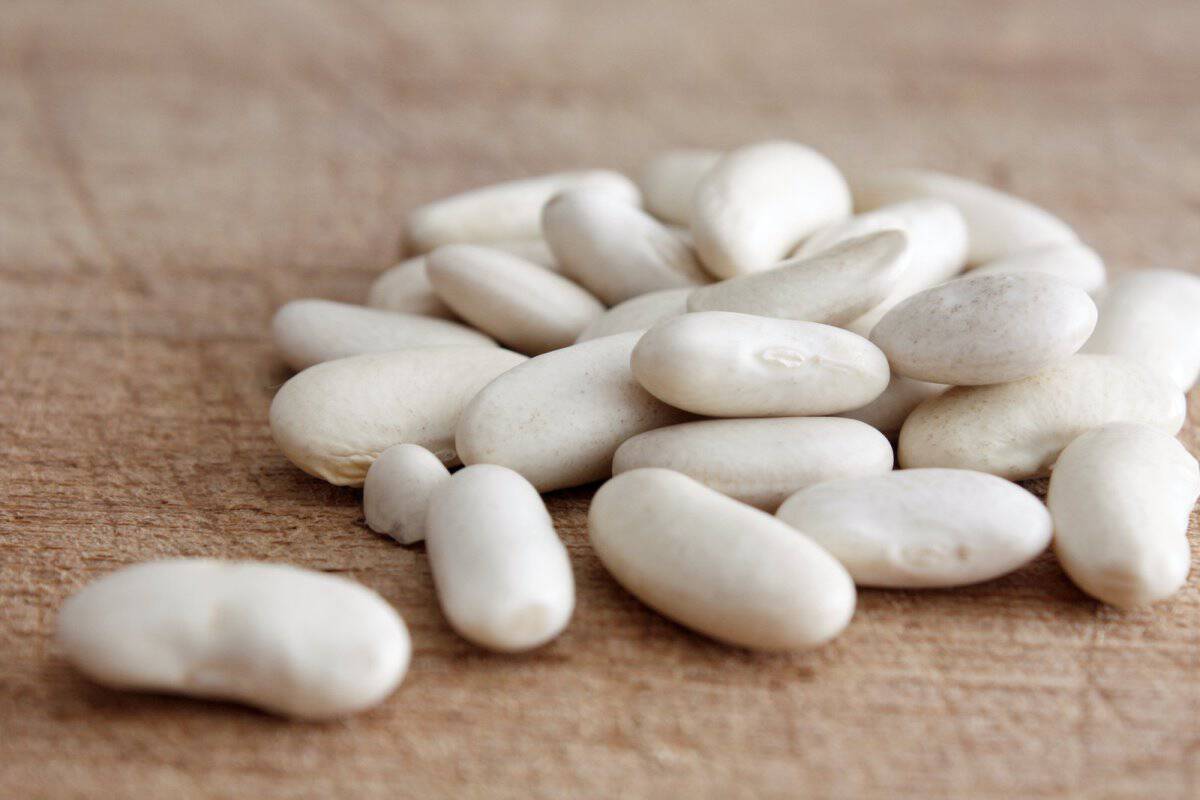
Cannellini beans are mild-mannered on their own but super in dishes where black-eyed peas usually star. They've got a smooth texture and a nutty flavor that can stand up to bold spices and herbs, making them an ace substitute for black-eyed peas.
You might know these white kidney beans from Italian cuisine; they're often used in minestrone or paired with tuna. But why do they work so well as understudies for black-eyed peas?
It's all about versatility, baby. These beans have a mild flavor that harmonizes with other ingredients in soups or stews—they absorb flavors like nobody's business without losing their creamy character. Plus, they pack a nutritious punch similar to their Southern counterpart: fiber, protein, you name it.
And let’s talk practicality—for those times when you’re fresh out of black-eyed peas or just want to try something new. Cannellini beans have got your back; no need to tweak your recipe because these beauties cook similarly, too.
Whether it's Hoppin' John, Texas caviar, or chili con carne on the menu, swapping in cannellini is simple and satisfying. Check out our ground beef recipes for more exciting options!
So next time you’re looking down at an empty shelf where those little black eyes should be staring back at ya—remember the mighty cannellini bean is ready to jump into action.
Best for Italian stews, soups, chili con carne, and as a versatile substitute in Southern cuisine, Mexican bean salads, and stews.
8. Crowder Peas
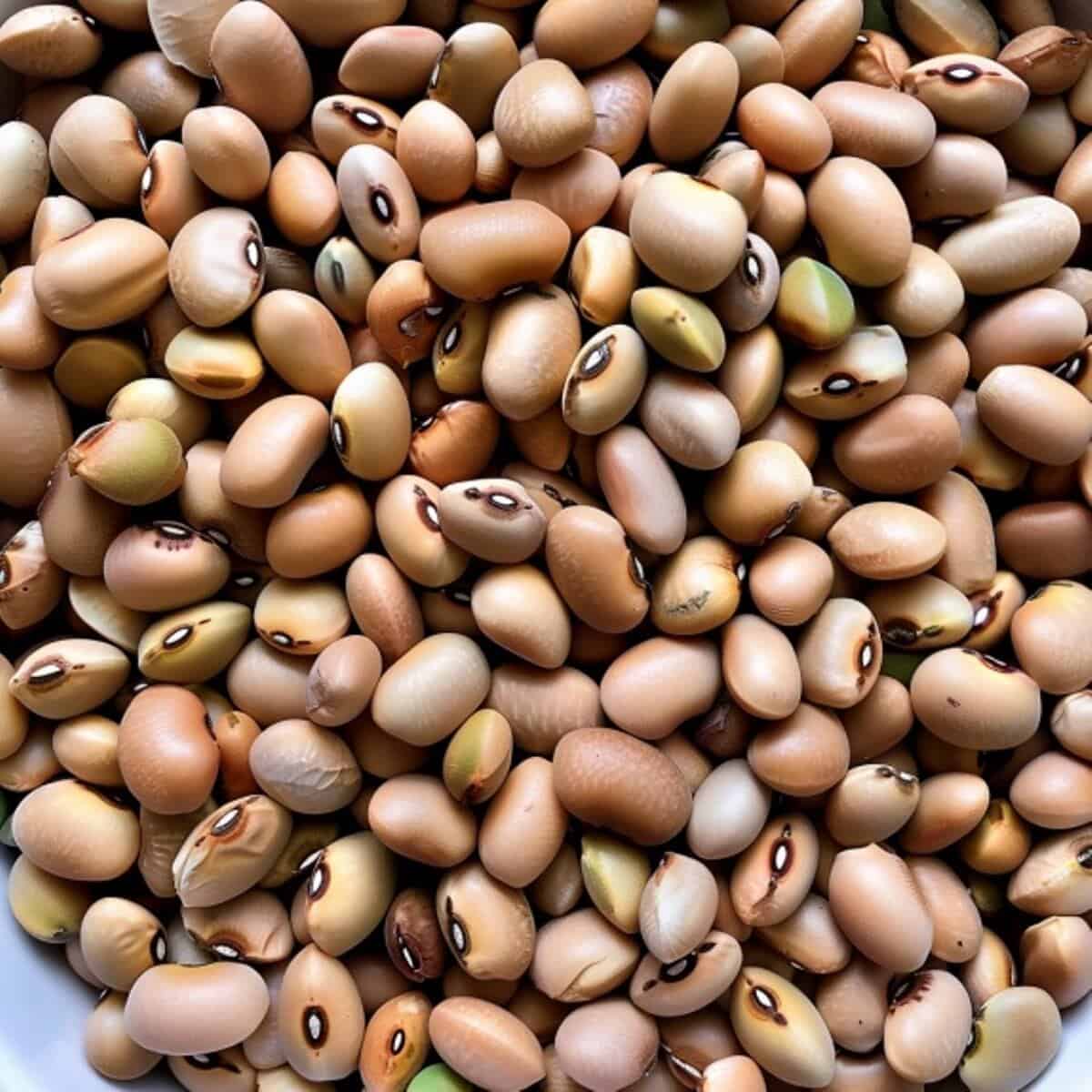
When you're in a pinch and black-eyed peas are nowhere to be found, crowder peas swoop in as the culinary superhero. They've got this earthy flavor that's like a cross between your go-to bean and a nutty grain, making them an ace up your sleeve for recipes.
The thing about crowder peas is they pack a similar nutritional punch—full of fiber and protein—which makes them not just good but great for stews, salads, or any dish where you'd normally use black-eyed peas.
Plus, they have this creamy texture when cooked that really sticks to your ribs on those days when only comfort food will do.
And let’s talk versatility. These guys are flexible enough to take on flavors from bold spices without losing their own identity; think of them as the friend who gets along with everyone at the party.
So next time you’re whipping up something delicious and realize you’ve run out of black-eyed peas don’t panic. Just grab some crowder peas and watch them work their magic in your kitchen.
Best for thick salads, enhancing creamy sauces, and adding flavor to spicy Mexican dishes due to their excellent ability to absorb flavors.
9. Green Beans
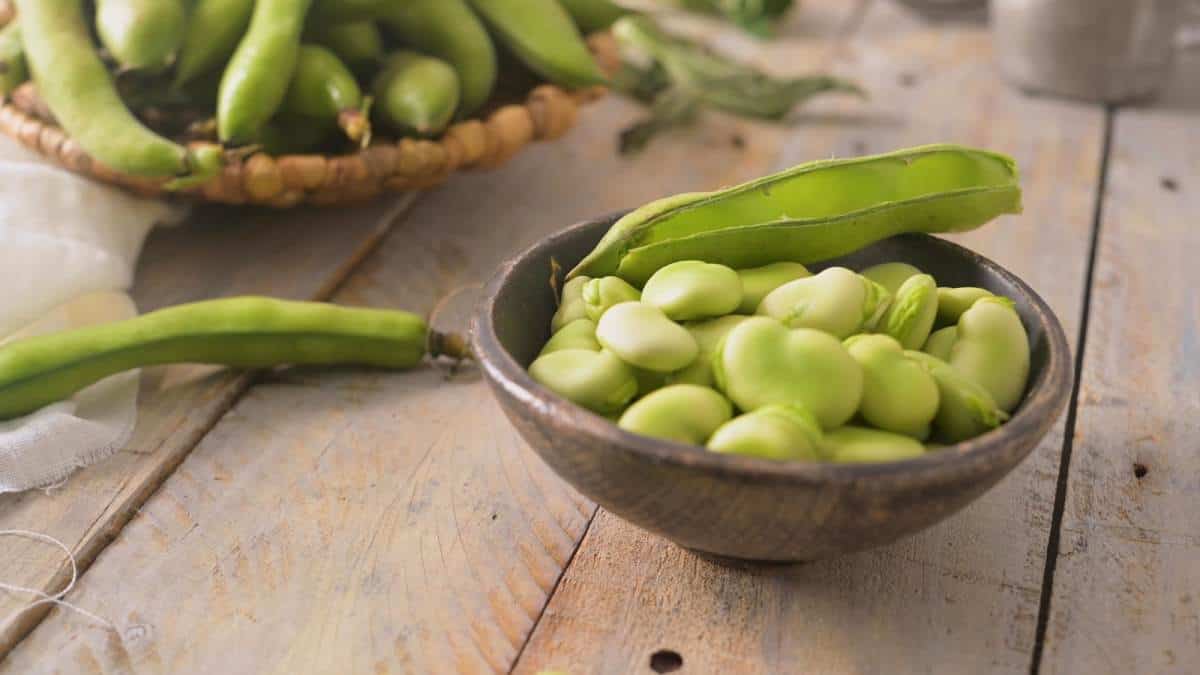
Picture your kitchen brimming with the vibrant colors of fresh produce, and right there in the mix are green beans, a culinary chameleon if there ever was one.
Now, you might wonder why these slender greens can step in for black-eyed peas—let's spill the beans on that.
First off, green beans have this subtle flavor that doesn't overpower dishes but instead complements other ingredients beautifully. They're easy to spice up - just add a dash of chili oil or chili oil substitute for a zingy, exciting salad.
Plus, they cook faster than most dried beans since they don't require soaking—a real-time-saver. You can even add a mix of green beans and green peas for texture and extra sweetness.
Nutritionally speaking? They've got game too. Packed with fiber and vitamins like K and C, green beans bring plenty to the table. And because we eat them pod and all, you get more bang for your buck compared to shelled varieties—you're using every last bit of what you buy.
Best for adding versatility to salads, side dishes and garnishes, and soups and stews where they require less cooking time than other beans.
Related: Air Fryer Frozen Green Beans
Black Eyed Peas Substitute Tips
- If you're using dried beans, be sure to soak them for as long as recommended on the packaging and season with salt where needed.
- Canned beans have the advantage as a substitute that they can be instantly added to dishes without advance preparation.
- Green beans and navy beans may not hold their shape as well in slow-cooked recipes as some of these alternatives, although they're great in dishes like this air fryer green bean casserole.
Related: The Best Kosher Salt Substitute for Flavorful Cooking
FAQ
Pinto and lima beans are among the best substitutions for black eyed peas in Hoppin John. Purple Hull peas are another delicious buttery alternative.
The closest taste match for black eyed peas is probably pinto beans, although some say chickpeas have a similar flavor. However, chickpeas have a very different consistency, making them less popular as a substitute.
Several white beans have the same earthy, mild flavor as black eyed peas. Pinto, lima, and white navy beans are all used as common replacements.
Black beans have an earthier flavor than many other beans, and can be slightly overpowering when used as a 1:1 replacement. A good black bean substitute is kidney beans, although other beans will also work.
Bean There, Done That!
Think you're stuck without black eyed peas? Think again. You've got options and lots of them. Pinto beans to lima, Purple Hulls to white acres — each brings its own flair.
Your dish will shine with these stand-ins, so let's get cooking!




The Best Black Eyed Peas Substitute
Equipment
- 1 Bowl
Ingredients
- 1 lb Pinto beans
- 2 tbsps Kosher salt
- 10 cups Cold water
Instructions
- Put 1lb of pinto beans in a large bowl.
- Add 10 cups of cold, fresh water for 1lb of beans.
- Add 2 tbsps of salt and stir through.
- Leave the beans for a minimum of 6 hours before adding to a recipe. Leaving them longer will soften up the beans more; don't leave them longer than overnight.
Leave a Reply