

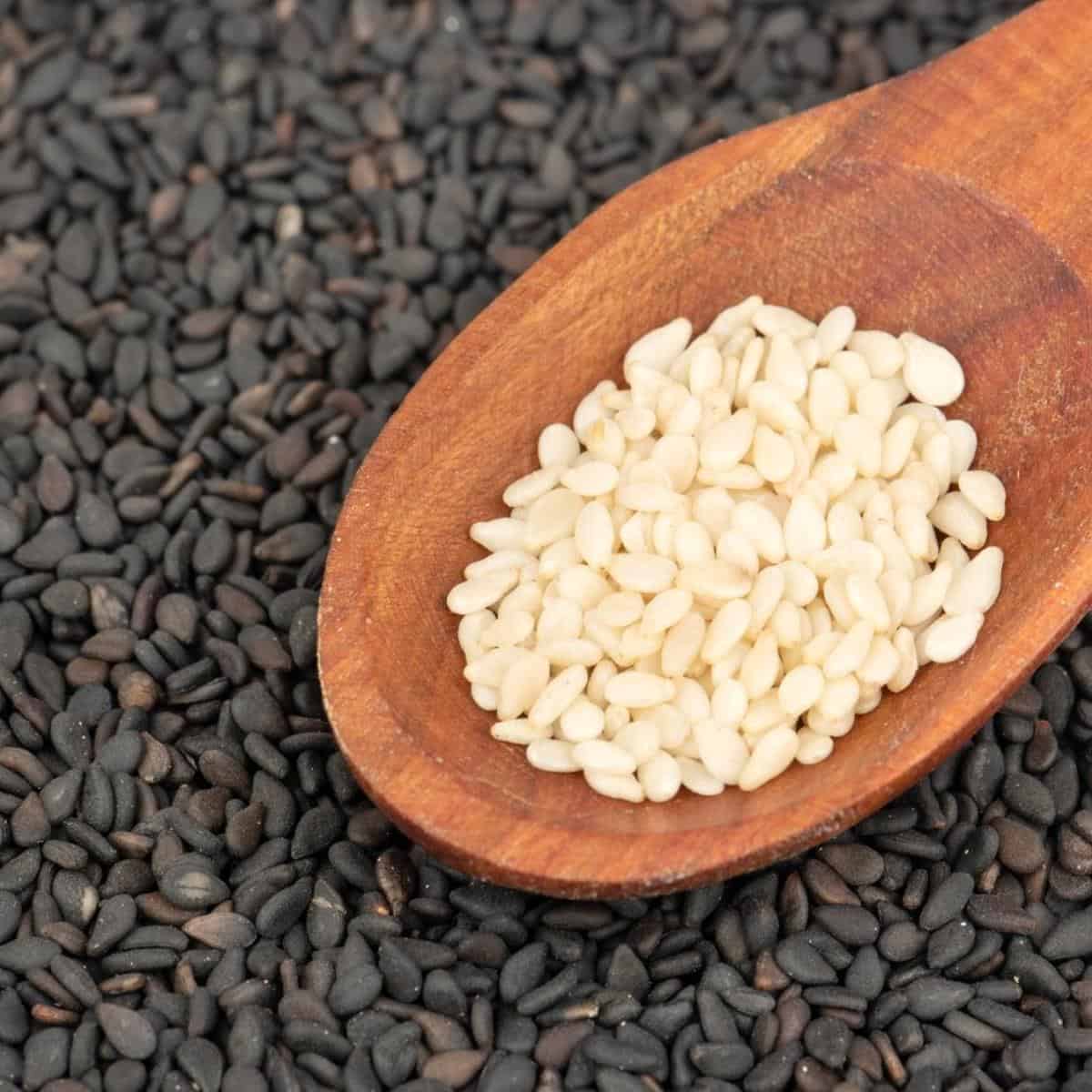
You’re all set to make your favorite stir-fry, cookies, or even a salad with a delightful nutty crunch. You reach for your trusty jar of sesame seeds only to find it’s empty. Panic sets in, but don’t fret. Knowing about a handy substitute for sesame seeds can come in handy. You might even discover some delightful new flavors.
Fortunately, there are many sesame seeds substitutes available for those who need alternatives due to accessibility or allergies. Whether you’re looking for a different flavor like sunflower seeds or trying to avoid sesame, a great substitute is waiting for you.
Jump to:
Seeds, Nuts, and More
A range of substitutes exists to fill the void left by sesame seeds, each with its own personality in terms of taste, texture, and even nutritional value. These substitutes can be used in both sweet and savory dishes, enhancing the flavor profiles of a wide range of recipes.
This tiny seed plays a big part in different cultures and cuisines all over the world. Sesame seeds bring a subtle nuttiness and unique crunch to everything from stir-fries and salads to breads and sweets.
Several other seeds easily take the place of sesame seeds, often in a straightforward 1:1 ratio. This means if a recipe asks for a tablespoon of sesame seeds, you can use a tablespoon of the substitute. You won’t need to make any major adjustments to the recipe.
1. Sunflower Seeds
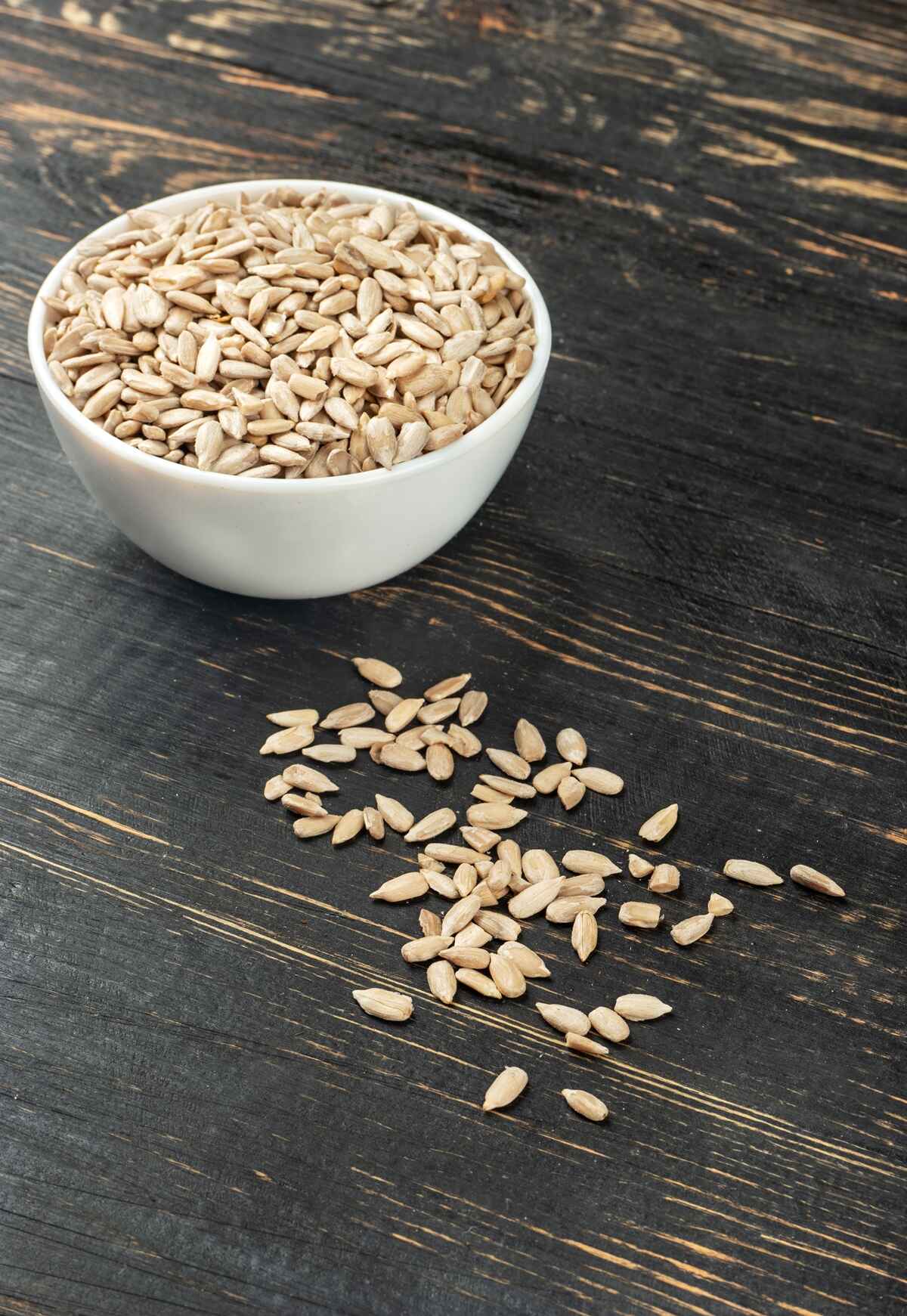
Sunflower seeds are a powerhouse of nutrients and one of the easiest substitutes to find. They provide tons of calcium. A quarter cup offers more calcium than an entire 8-ounce glass of cow's milk. Their mild, nutty flavor and enjoyable crunch work wonders in a variety of dishes.
Best for: Sunflower seeds are an excellent sesame seed substitute due to their similar crunch and nutty flavor in granola bars. Sunflower seeds are also great tossed onto salads and breads.
2. Pumpkin Seeds
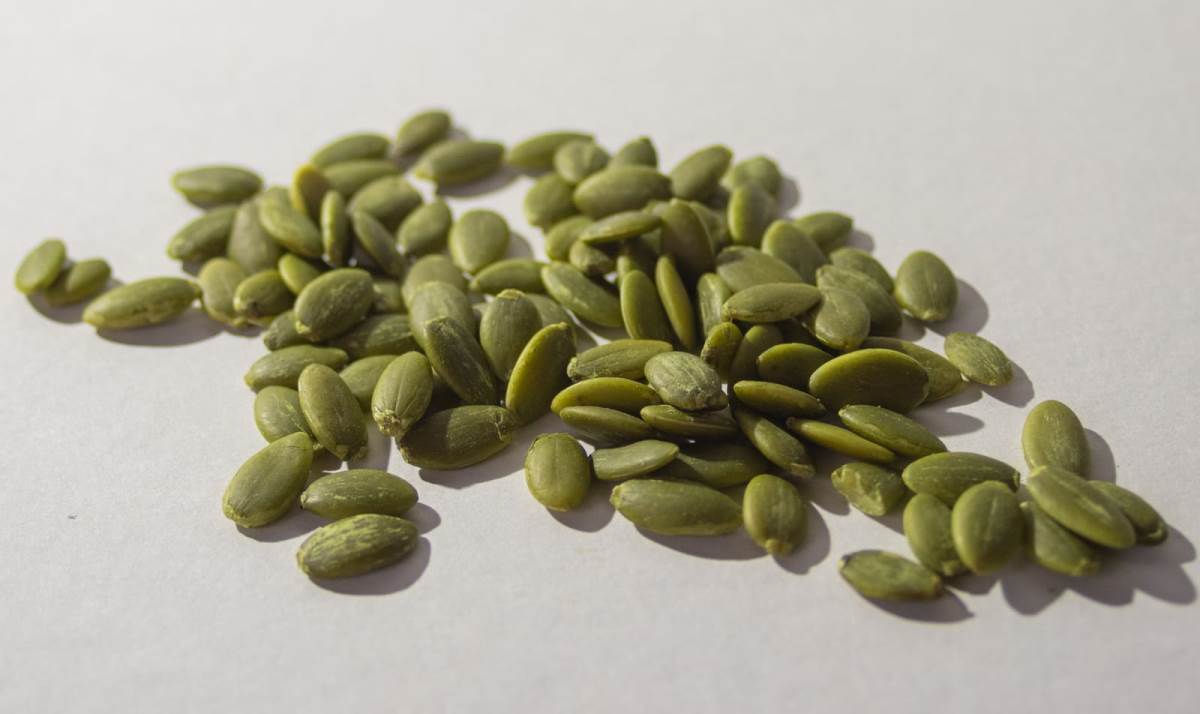
Who says pumpkin seeds are only for fall? This substitute, full of earthy, nutty flavors, adds a unique twist to your recipes. Like sunflower seeds, they have a noticeable crunch and add something special to salads. They're loaded with vitamins and minerals, which are a welcome bonus.
Best for: Pumpkin seeds make a great substitute for sesame seeds with their crunchy texture and nutty flavor in salads. You can also enjoy them in your morning yogurt or even in homemade bread.
3. Poppy Seeds
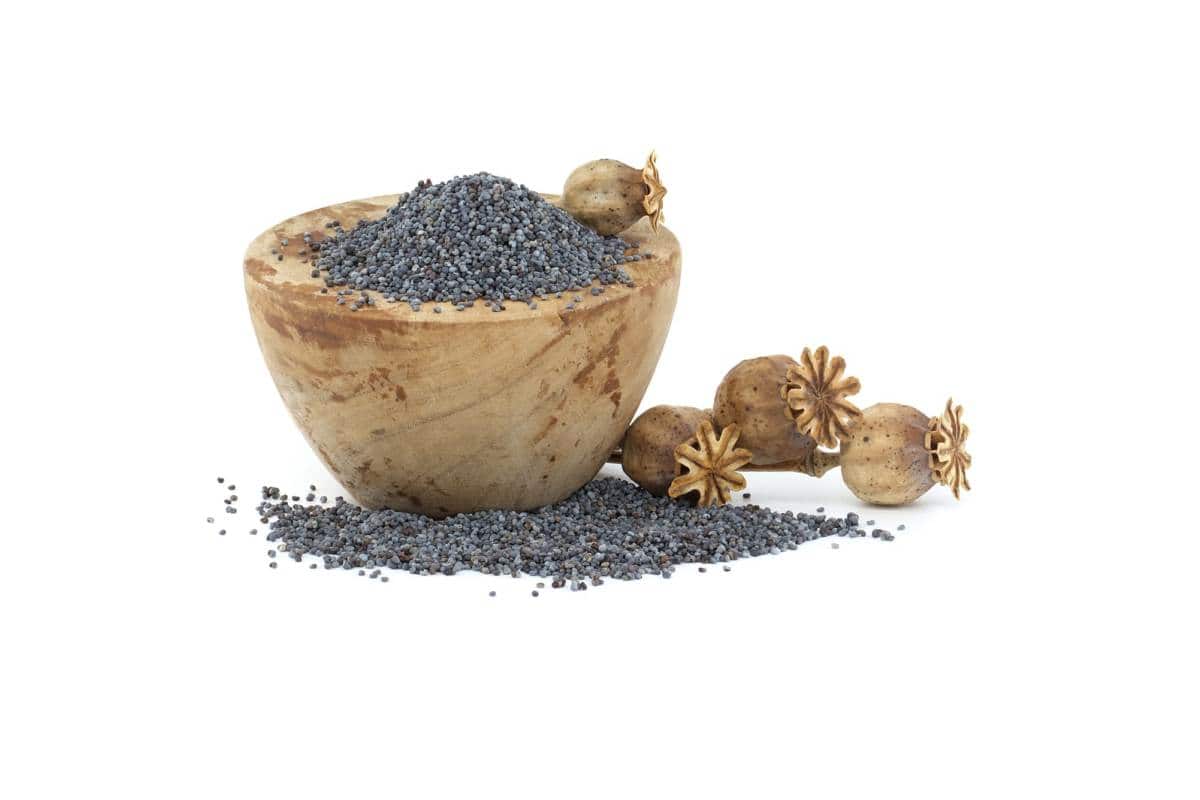
When you think of poppy seeds, bagels probably come to mind. However, these seeds are surprisingly versatile. Just a sprinkle will do, as these small seeds have a more concentrated flavor compared to sesame seeds. Poppy seeds offer a sweet taste with a delicate crunch, lending a nice dimension to things like lemon poppy seed muffins and dressings.
Best for: Poppy seeds are a perfect substitute for sesame seeds, offering a similar crunch and nutty flavor in muffins, dressings, and pastries for added texture and a subtle, nutty taste.
4. Flaxseeds
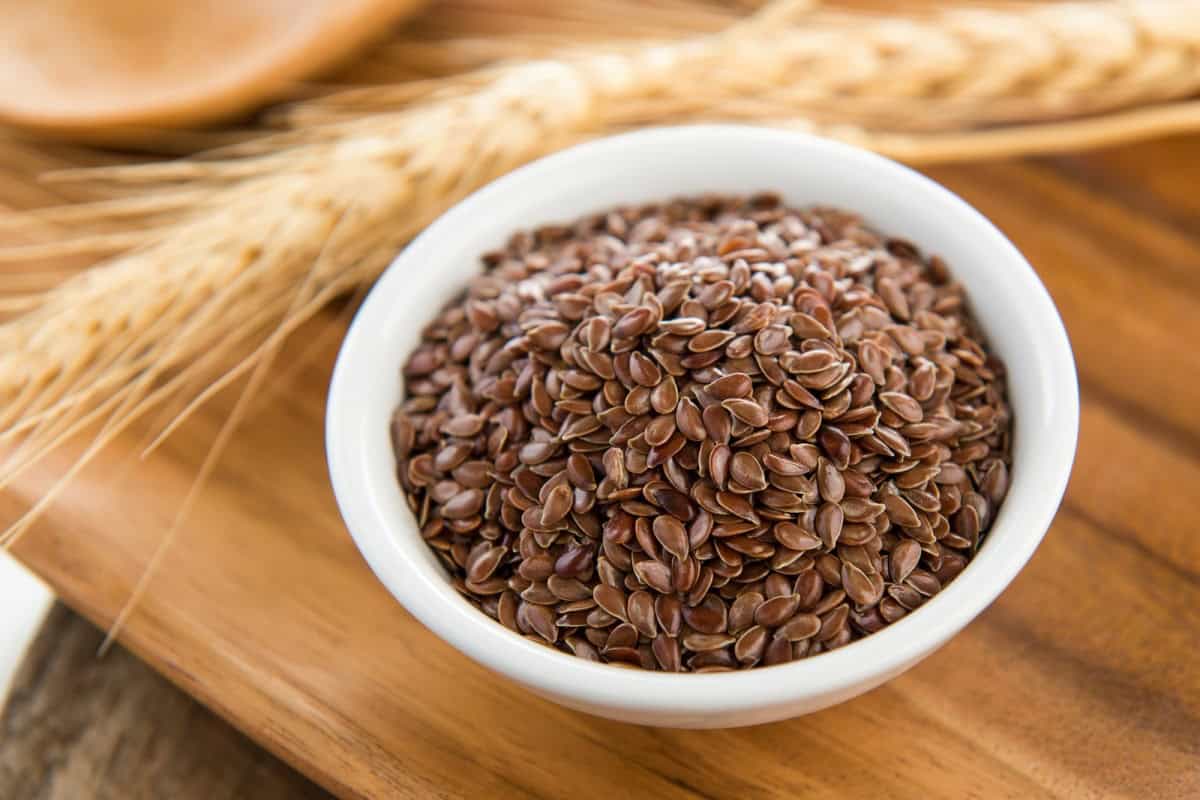
Don't underestimate the tiny flaxseed. Like sesame seeds, these little guys are rich in fiber and omega-3 fatty acids. These properties add health benefits. These seeds offer a subtle, nutty flavor and a satisfying crunch, similar to sesame seeds. Try sprinkling them on your next salad or stirring them into a bread recipe for a healthy and delicious twist.
Best for: Flaxseeds make an excellent sesame seed replacement due to their crunchy texture and mild, nutty flavor in bread recipes.
Also read: What is the Best Flaxseed Substitute? 7 Simple Alternatives
5. Hemp Seeds
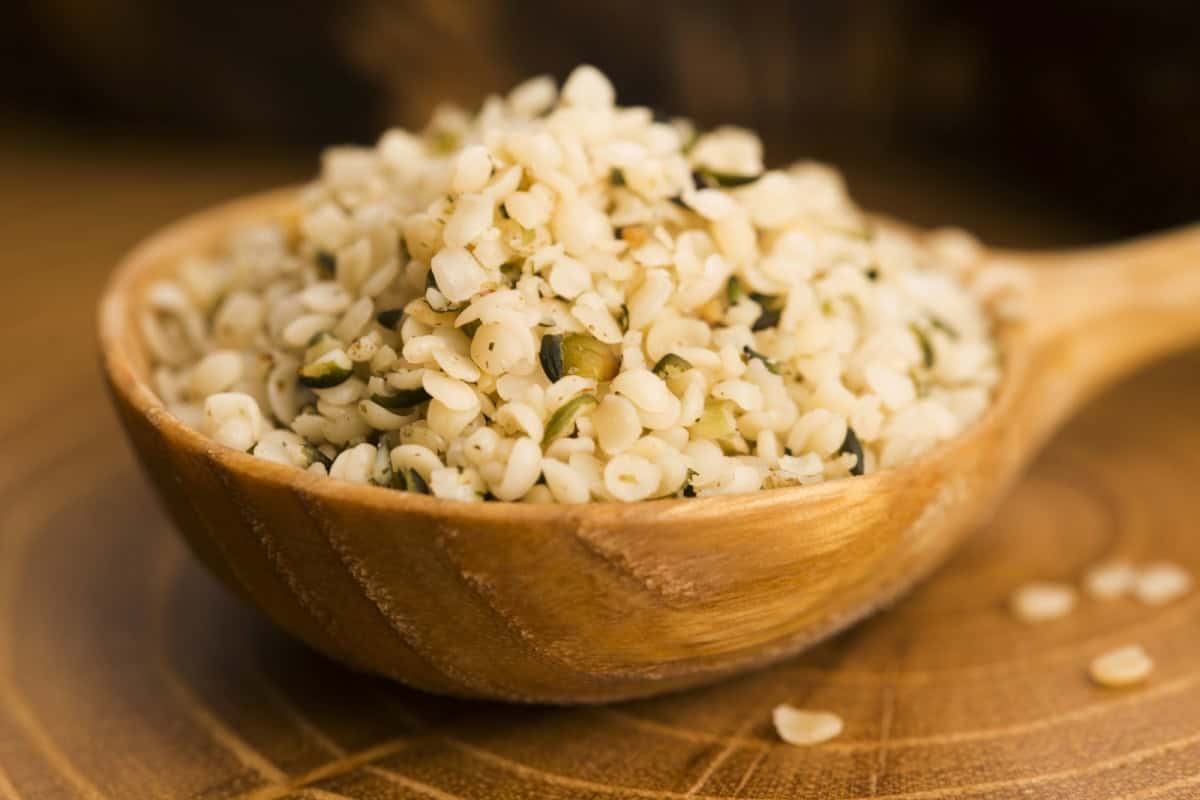
If you’re following a plant-based lifestyle, you might already be acquainted with hemp seeds. This substitute is popular in healthy eating circles. Hemp seeds offer a similar size, appearance, and nutty flavor compared to their sesame counterparts. Their nutty taste adds depth to baked goods and salads, and they are a great source of protein.
Best for: Hemp seeds are a great substitute for sesame seeds, providing a similar nutty flavor and crunch in a smoothie or granola bowl adding a nutritious boost and a satisfying texture.
6. Toasted Nuts
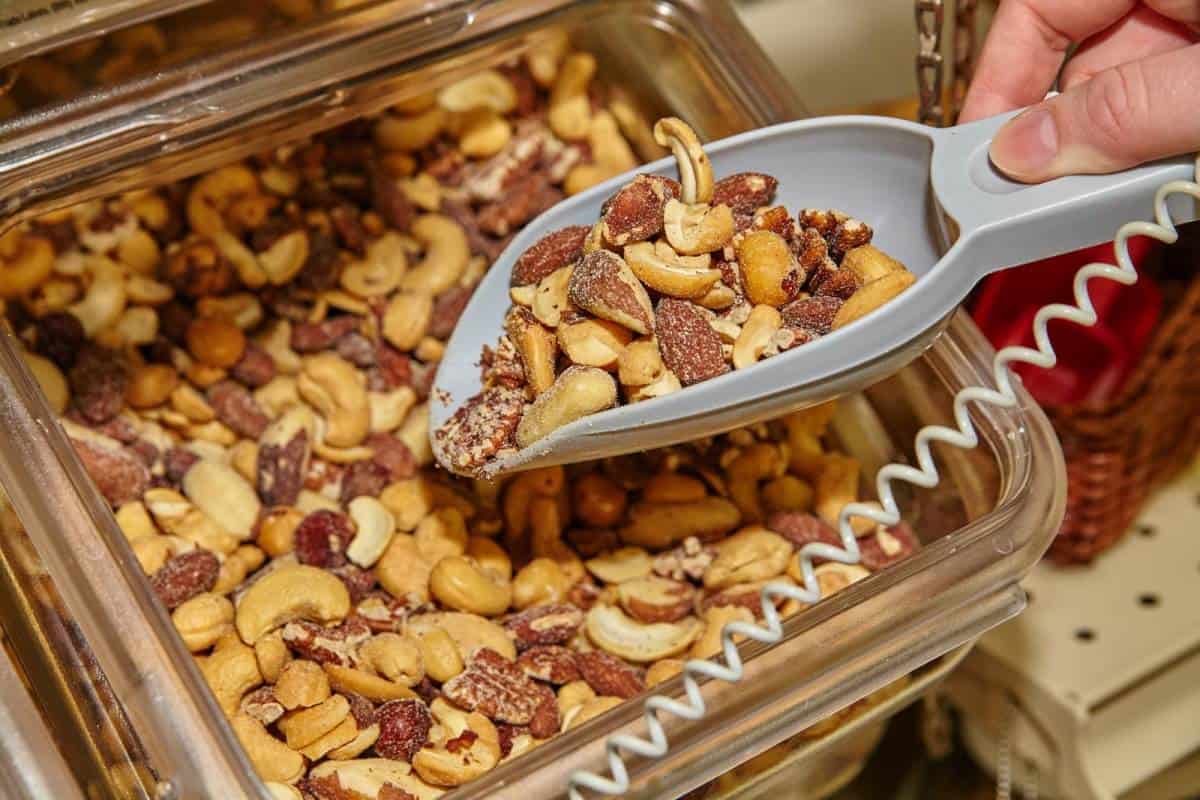
Think outside the box—chopped nuts provide a wonderful crunchy texture similar to sesame seeds. When toasted, nuts can even add an extra dimension of nutty depth.
Chopped Peanuts
Chopped peanuts are an easy-to-find, affordable substitute for sesame seeds in various recipes, especially those without baking. However, peanuts might not be the best substitute in recipes requiring baking as their texture changes during baking and often turns chewy.
Best for: Chopped peanuts are an excellent sesame seed substitute in stir-fries or as a salad topping for added crunch and taste.
Roasted Almonds
Roasted and finely chopped almonds have a robust, nutty flavor, particularly in cooked dishes. The toasting process is essential for releasing their full nutty potential. The chopped texture mimics the sesame seeds, while the nutty flavor and texture make them especially suited for savory dishes.
Best for: Roasted almonds make a fantastic sesame seed substitute in salads or as a topping for baked goods for added crunch and depth.
Roasted Pine Nuts
Pine nuts bring a unique flavor profile compared to other nut substitutes. They are common in several Italian dishes. They are also often used in Korean cooking and are especially delightful in salads and baked goods. Pine nuts bring an expensive but wonderful substitution with a flavor that sets them apart from more traditional nuts. However, they won’t bring as much crunch to your recipes as other options.
Best for: Roasted pine nuts are a great stand-in for sesame seeds, providing a rich, buttery flavor and crunchy texture in pesto or as a salad topping.
Pastes and Oils
Sesame seeds are renowned for their taste, so using ingredients actually derived from them will provide the most similar results. In certain situations, you might be primarily seeking the unique flavor and aroma of sesame seeds. When this is the case, you can turn to products made from sesame seeds themselves:
6. Tahini
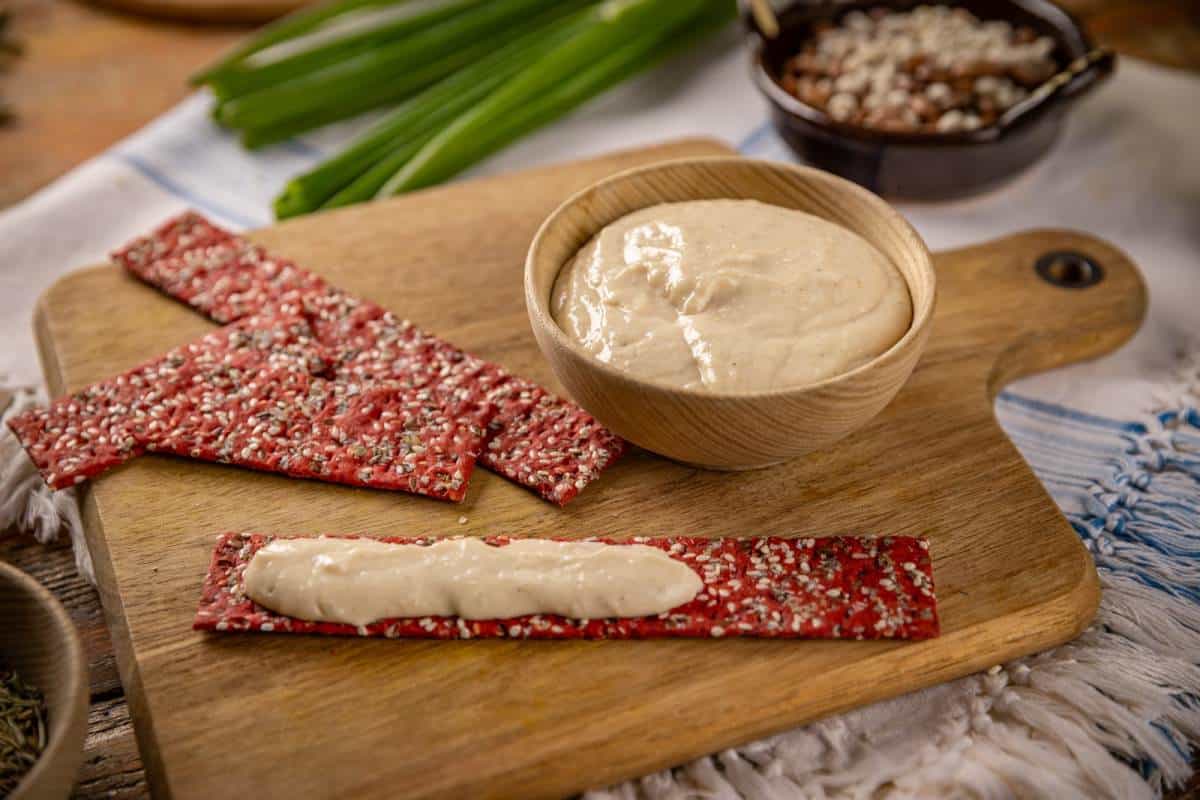
This Middle Eastern staple, tahini, is a rich and creamy paste made from ground sesame seeds. Tahini brings an undeniable nutty flavor. When stirred into dips, sauces, or even baked goods, tahini provides the unmistakable flavor you love about sesame.
Best for: Tahini makes an excellent sesame seed replacement in dressings or dips for a smooth, rich taste and a hint of sesame.
7. Chinese Sesame Paste
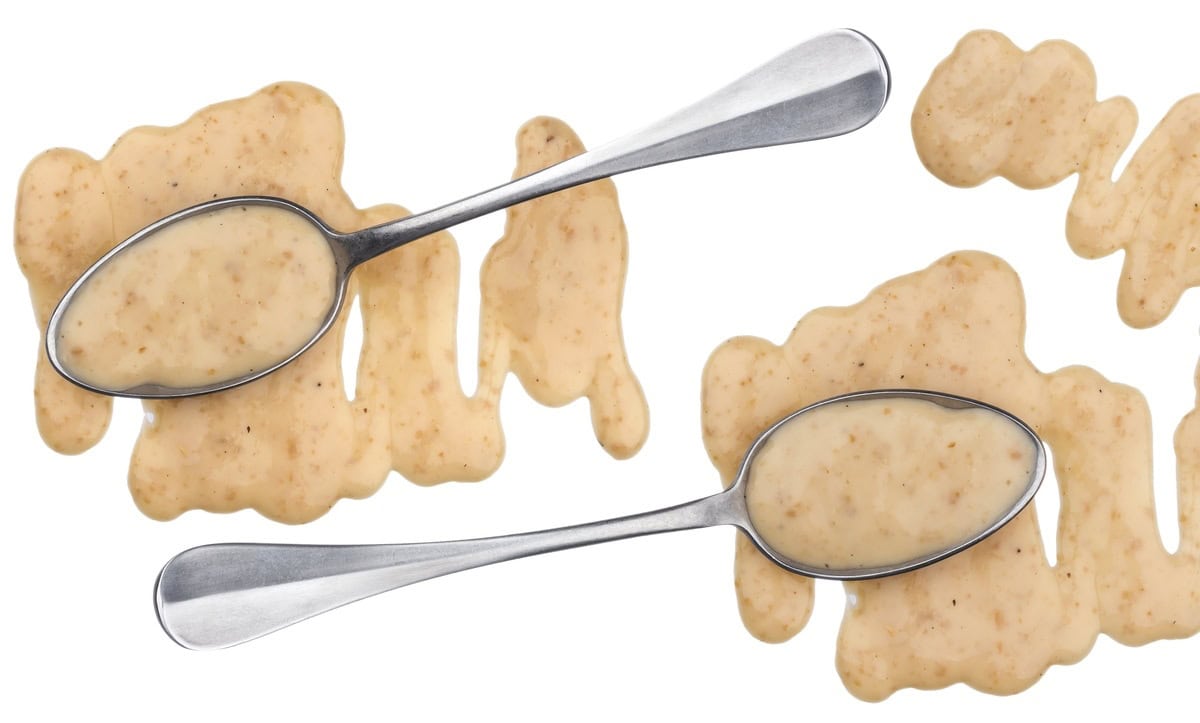
Similar to tahini, this alternative brings that familiar nutty sesame goodness. You can easily find it in Asian grocery stores or online. A simple online search yields many recipes for making this flavorful paste at home too. Black sesame seeds are typically pounded into this fine powder or paste.
Best for: Chinese sesame paste is a great substitute for sesame seeds in sauces or dressings for an authentic sesame taste.
8. Sesame Oil
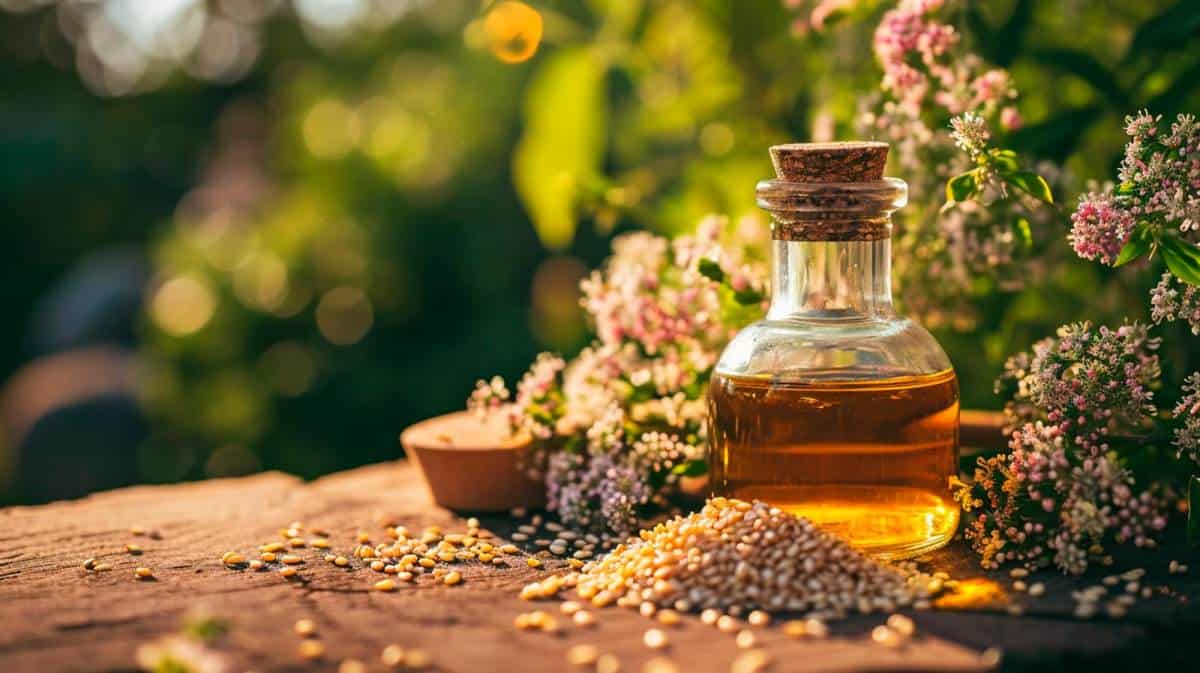
Just a drop of this rich, nutty sesame oil brings an explosion of flavor to cooked dishes and sauces. Sesame oil evokes a powerful, delicious flavor of sesame without the crunch of the seeds themselves.
Best for: Sesame oil is a good substitute for sesame seeds in stir-fries or dressings to further bring out the overall taste with a hint of sesame.
Health Benefits: Why Choose Sesame Seeds and Their Substitutes
Sesame seeds have impressive nutritional value, packing healthy fats, protein, fiber, vitamins, and minerals. But, this doesn't mean the alternatives lag. Several substitutes for sesame seeds can give them a run for their money in terms of healthy fats, antioxidants, and protein, providing you with a variety of flavorful options while supporting a health-conscious diet.
Sesame seeds are naturally gluten-free. They also offer the following benefits:
Boosting Heart Health: Omega-3 Fatty Acids and Monounsaturated Fats
Sesame seeds are high in omega-3 fatty acids and heart-healthy monounsaturated fats. These help your heart stay happy by lowering bad cholesterol levels, which is critical in promoting healthy blood pressure.
Substitutes, like sunflower seeds and flax seeds, follow closely with their rich content of omega-3 fatty acids, often associated with heart health. These healthy fats help protect against heart disease. A tablespoon of peanut oil or walnut oil with flaxseeds will even more closely mimic the balanced ratio sesame oil has.
Combating Inflammation
Both sunflower and flax seeds contain Vitamin E. The power of vitamin E in sunflower seeds and sesame oil may contribute to anti-inflammatory properties by reducing those sneaky free radicals associated with cell damage and inflammation.
This is key to preventing chronic diseases and feeling your best. It's worth considering flaxseeds combined with peanut or walnut oil for an anti-inflammatory effect similar to sesame oil.
Promoting Eye Health
When you munch on pumpkin seeds, remember they are high in lutein, a mighty antioxidant for healthy eyesight. Pumpkin seeds give your eyes a healthy dose of lutein, offering support against age-related vision challenges.
Power Up with Protein, Fiber, and Essential Micronutrients
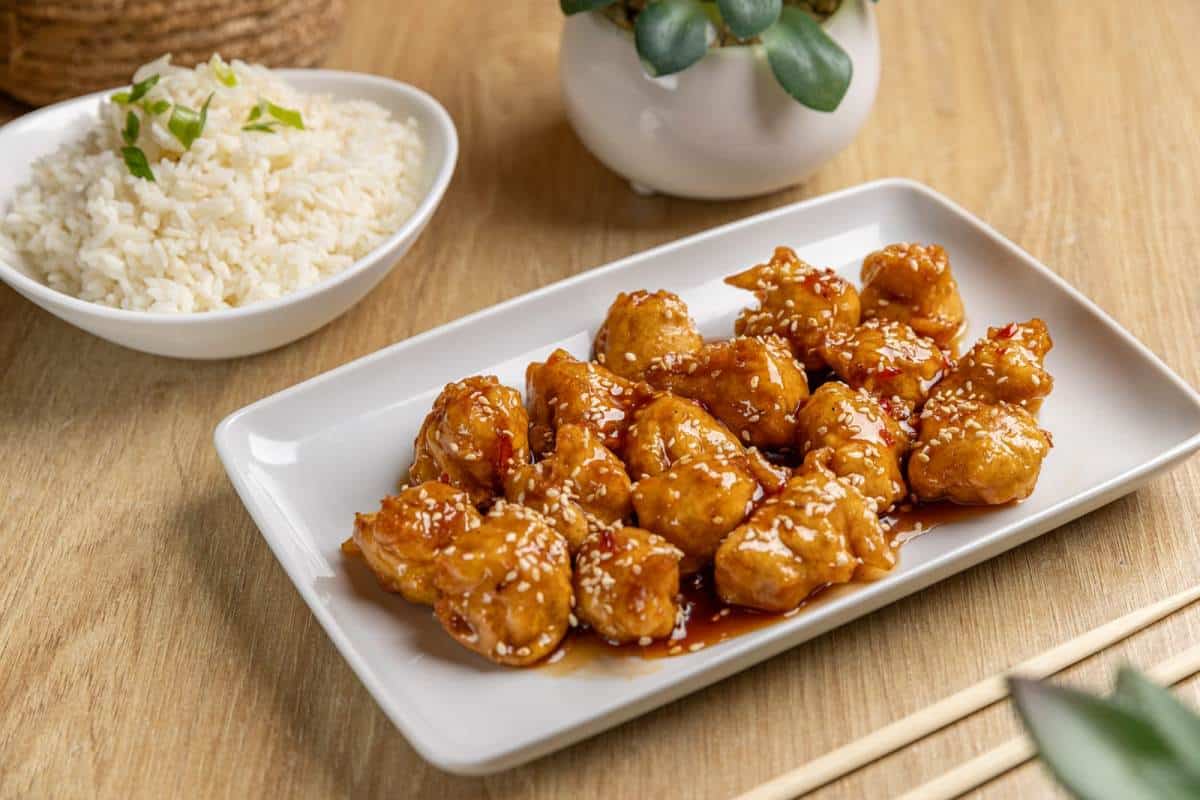
Both sesame seeds and a variety of their alternatives, like flax, pumpkin, and hemp seeds, provide protein and fiber. These are two elements that help keep you satisfied and energized throughout your day.
The presence of monounsaturated fats in sesame and hemp seeds gives them a boost in fiber content. And who can resist the amazing nutty flavor that comes along for the ride?
Sunflower seeds also provide more than just delicious flavor. They're packed with those crucial micronutrients, like magnesium and zinc.
Sunflower and flax seeds also provide similar health benefits, bringing both omega-3 fatty acids and fiber. They’re a perfect reminder that small seeds pack a powerful punch when it comes to giving you what you need.
Another popular choice, flaxseeds, contains omega-3 fatty acids, associated with a positive impact on mental health. It’s no surprise people reach for a bag of these when seeking health-conscious alternatives.
While black sesame seeds and white sesame seeds share these amazing benefits, they’re not identical. Their main difference boils down to taste and appearance. Black sesame seeds possess a stronger flavor, lending depth and a distinct visual aspect to dishes.
White sesame seeds come with a milder flavor. They are great when you're seeking that characteristic crunch but want a milder nutty presence in recipes.
Remember, a sprinkle goes a long way. You can reap the benefits by including sesame seeds and their substitutes in your daily meals.
See some delicious recipes here: 35 Bread Recipes to Try at Home
FAQs
Flax seeds and chia seeds are suitable substitutes, providing a similar size and texture to sesame seeds in recipes.
Flax seeds can be used in salad dressings as a substitute for sesame seeds, adding a crunchy texture and mild flavor.
Black sesame seeds and flax seeds are good alternatives for sesame seeds in stir-fried dishes, offering a comparable texture and flavor.
Conclusion
Knowing about substitutes for sesame seeds is like having a secret ingredient up your sleeve to transform everyday dishes. From swapping seeds to exploring crunchy nuts and pastes and oils for their nutty essences, these alternatives help overcome allergies and pantry shortages.
Sometimes you might just want to add variety. Remember that each of these ingredients adds something special to your meals, and the nutritional benefits are a bonus! Happy cooking!




Recipe

Substitute For Sesame Seeds
Ingredients
- ¼ cup chopped almonds (for topping)
- ¼ cup cup almond flour (for texture)
Instructions
- Preparation: If using whole almonds, chop them finely. For a finer texture, use almond flour.
- Topping: Sprinkle chopped almonds or almond flour over your dish or bake as needed.
- Usage: Use as a replacement for sesame seeds in salads, breads, or stir-fries.
Notes
- Toast almonds lightly for added flavor.
- Almond flour provides a nutty texture similar to sesame seeds.
You can find the video in the post above. If you don't see a video, please check your browser settings.
Leave a Reply