

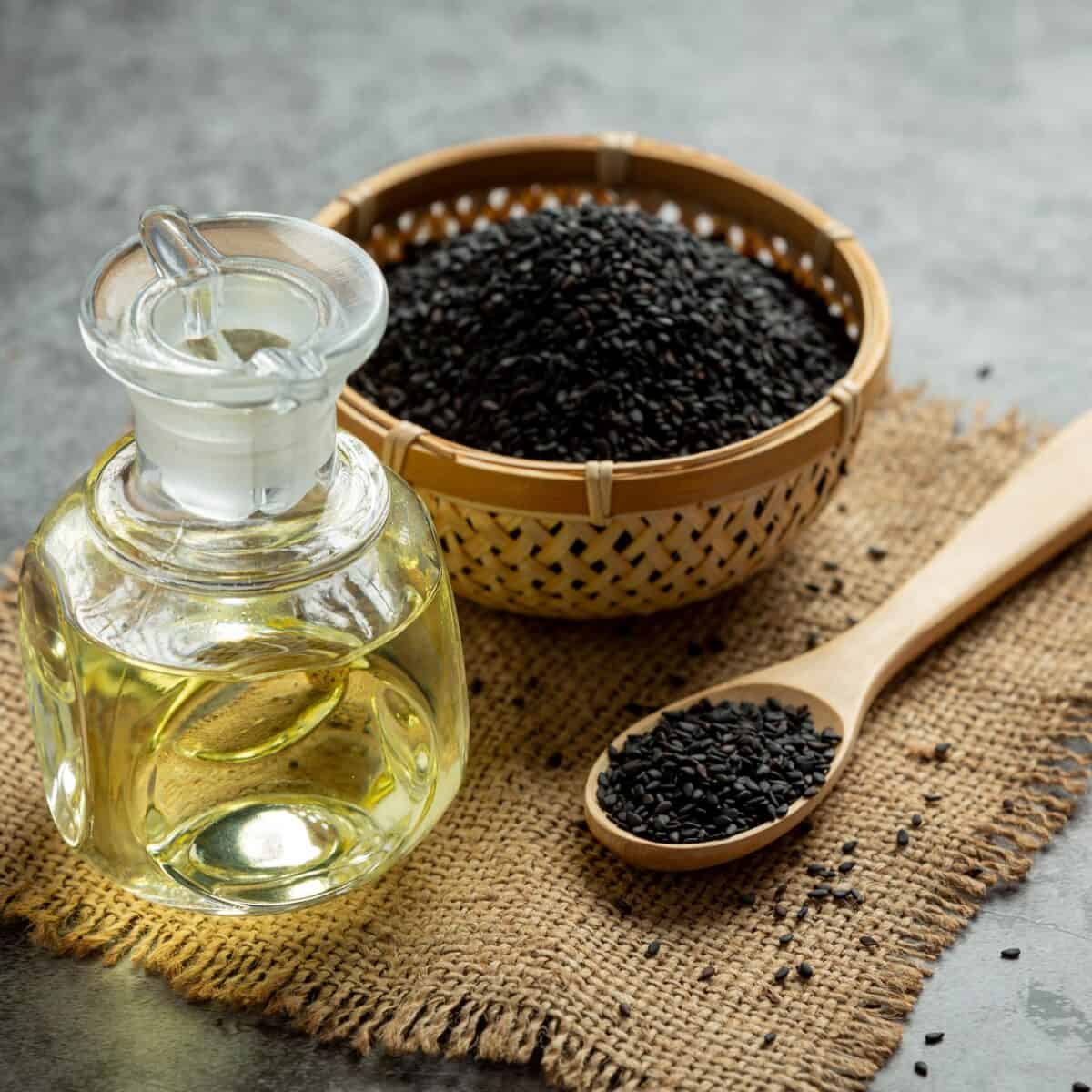
Ever found yourself mid-recipe, ready to create a delicious Asian-inspired dish, only to discover you're out of sesame oil? No worries. Numerous sesame oil substitutes can save your dish!
Ever thought that peanut oil can do wonders when you are in a pinch? It can, and does the job well! I've experimented with various alternatives and I am excited to share insights on finding the perfect sesame oil substitute. Check out some alternatives below!
Jump to:
Understanding Sesame Oil and Its Uses
Before exploring substitutes, it's important to understand sesame oil's unique qualities. It comes in two main varieties: light and dark (toasted) sesame oil.
Light sesame oil, pressed from raw sesame seeds, has a milder flavor. This makes it great for high-heat cooking. Dark sesame oil, from toasted sesame seeds, has a more intense, nutty flavor and is often a finishing oil or used in dressings.
Sesame oil is a popular ingredient in Asian cuisine, especially Chinese, Korean, and Japanese cooking. Its rich nutty taste adds depth to stir-fries, marinades, and dipping sauces. The oil also has health benefits, including good fatty acids and antioxidants.
Our Top Sesame Oil Substitutes
Let's explore some top sesame oil substitutes, including their ideal uses and flavor profiles:
1. Perilla Oil: The Closest Match

Perilla oil, from perilla plant seeds, is perhaps the closest sesame oil substitute flavor-wise. It provides a similar nutty taste and aroma. It is an excellent choice when you are looking for an authentic replacement. Use a 1:1 ratio.
Best for: Perilla oil makes a great substitute for sesame oil in bibimbap or as a finishing oil for Korean soups and marinades in Korean cuisine.
2. Peanut Oil: The Versatile Alternative
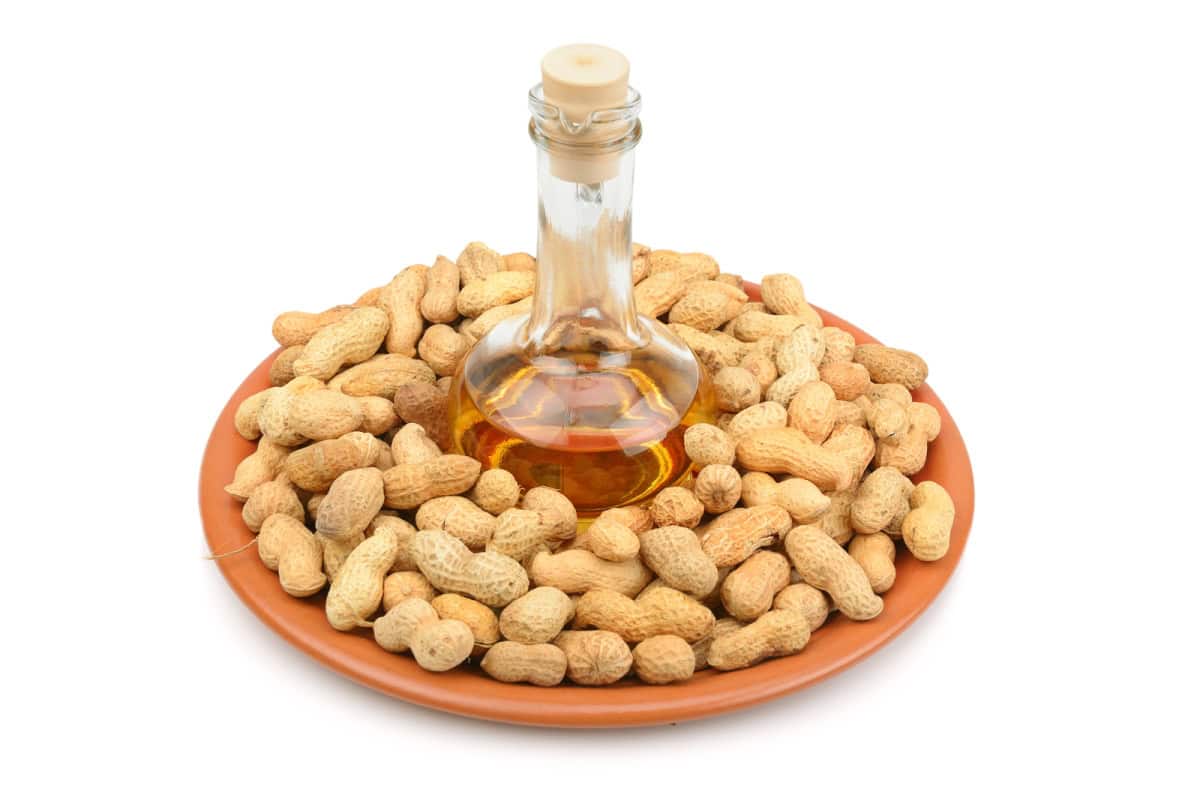
Peanut oil is a common sesame seed oil substitute in many Asian kitchens. With its mild nutty flavor and high smoke point, it suits various cooking methods, especially high-heat stir-frying. Use a 1:1 ratio, and add a few drops of toasted sesame oil for extra flavor, if available.
It's a popular hot oil and subtle nuttiness complements ingredients without overpowering them. For perfect taste in Asian cooking consider adding sesame seeds after the stir fry.
Best for: Peanut oil makes an excellent substitute for sesame oil in kung pao chicken, stir-fries, deep-frying, and general cooking in Chinese cuisine.
Running low on peanut oil? Finding the Perfect Substitute for Peanut Oil
3. Walnut Oil: The Nutty Powerhouse
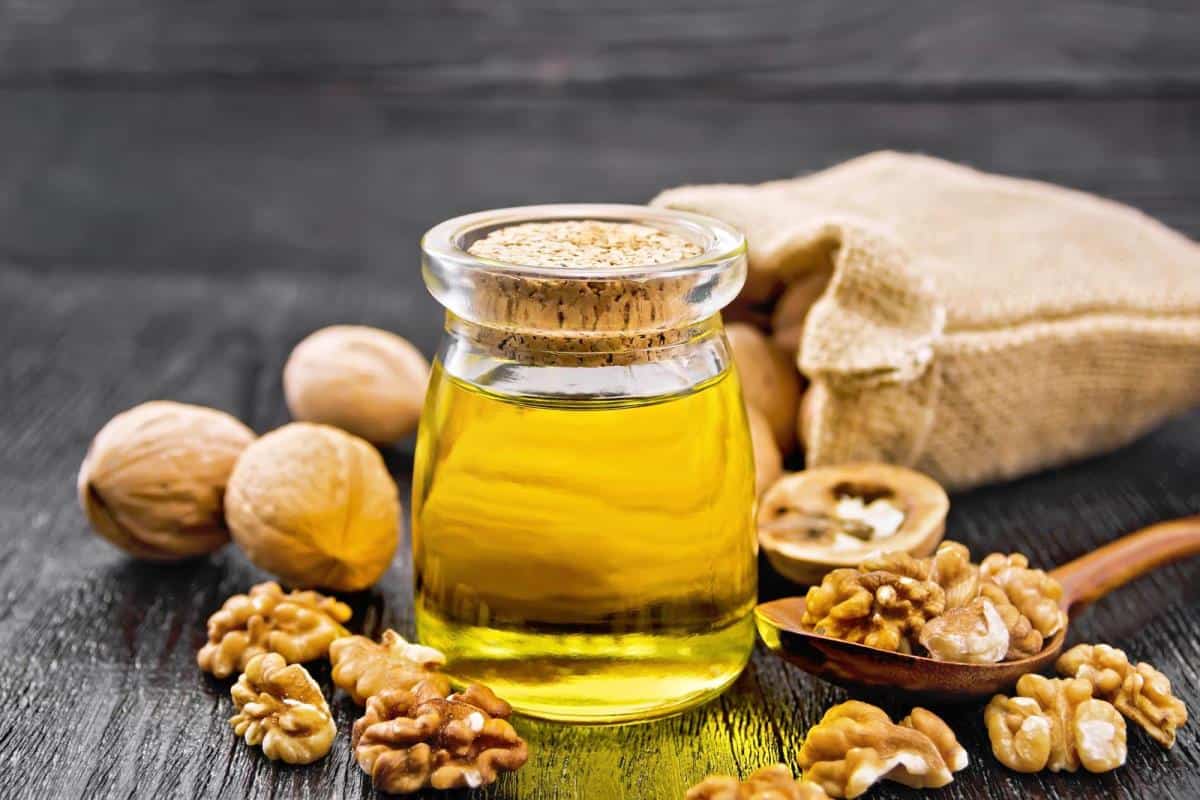
Walnut oil's rich, nutty flavor mimics sesame oil's taste in many recipes. However, due to a lower smoke point, it’s best used in cold preparations. Walnut oil can also be used as a finishing oil for dishes with more nutty flavor. Start with a 1:2 ratio (walnut oil to original sesame oil quantity) and adjust as needed.
Best for: Walnut oil is a delightful alternative for sesame oil in cold noodle salads or drizzled over steamed vegetables.
Speaking of walnuts, check out this recipe: Banana Walnut Muffins with Streusel Topping
4. Olive Oil: The Mediterranean Touch
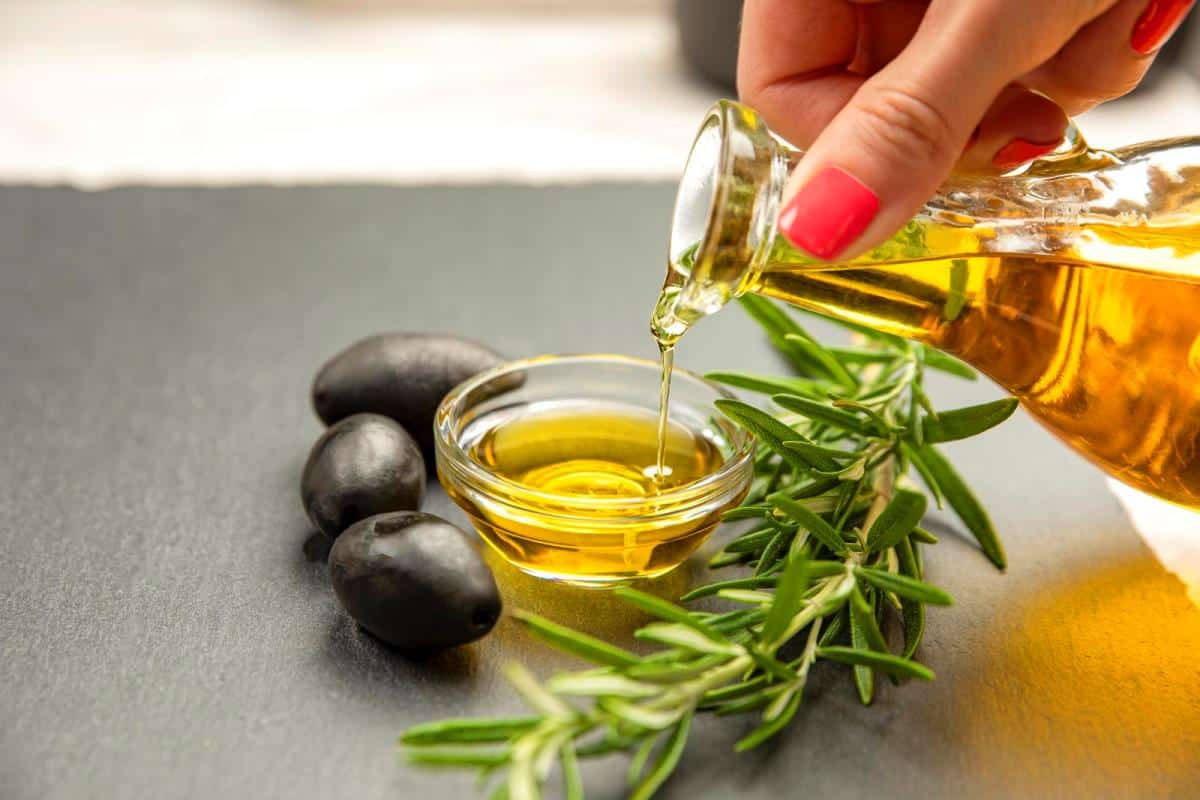
While olive oil doesn't fully replicate sesame oil's flavor, its used for a variety of meals, which makes it a worthy substitute. Use light olive oil for a more neutral flavor. Use a 1:1 ratio; consider adding toasted sesame seeds for flavor. Extra virgin olive oil has many benefits and is also a common household ingredient.
Best for: Extra virgin olive oil makes a good sesame oil substitute in Mediterranean-Asian fusion dishes, for sautéing, and salad dressings.
Also see: Can You Use Olive Oil in Air Fryer?
5. Grape seed Oil: The Neutral Choice

Grape seed oil, prized for its neutral flavor and high smoke point, makes it a good sesame oil substitute when you don’t want to alter your dish’s taste. Grapeseed oil, along with canola oil is a milder flavored oil used in many cooking styles and available in most grocery stores. These are also popular hot oils to cook with in Asian cuisine due to their high smoke points. Use a 1:1 ratio.
Best for: Grape seed oil can be used as a replacement for sesame oil to create infused oils, and you can add toasted sesame seeds for flavor.
Related: Substitute For Canola Oil: 10 Healthy Ideas
6. Avocado Oil: The Heart-Healthy Option
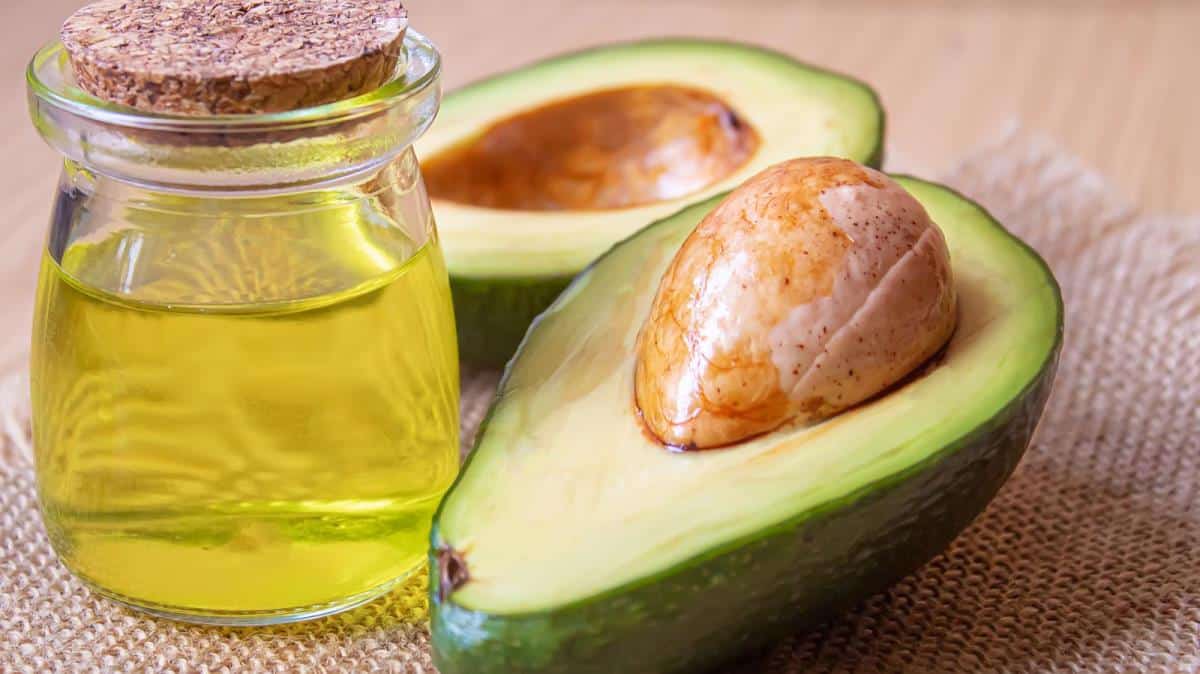
Avocado oil is another neutral-tasting oil with a high smoke point. It’s an excellent option for saturated fat-conscious cooks looking for a decent substitute, as it won't impart the nutty flavor of regular sesame oil. You may want to use an oil toasted sesame to help bring back a nutty flavor. Use a 1:1 ratio.
Best for: Avocado oil makes a good sesame oil substitute in tempura or crispy tofu, stir-fries, and homemade mayonnaise.
Creating Your Own Sesame Oil Substitute Tips
- Use a neutral oil as a base. Olive, avocado, or vegetable oil work great since they won’t overpower your dish.
- Add toasted sesame seeds. If you have them, lightly crush and mix them into the oil for that signature nutty flavor.
- Try nut-based oils. Peanut or walnut oil can add a similar richness to stir-fries and dressings.
- Mix in a little tahini. A small spoonful blended with oil can mimic sesame oil’s deep, toasty taste.
- Taste and adjust. Start with a little and tweak as needed to get the right balance for your dish!
Sesame Oil Substitutes for Special Diets

Finding the right sesame oil substitute is crucial for specific dietary needs. For perfect taste for many Asian cooking dishes it's often preferred by professional chefs.
Also read: What Is the Best Substitute for Vegetable Oil in Brownies?
Nut-Free Options
If avoiding nut oils, consider sunflower, canola, or grapeseed oils. They provide neutral bases for various dishes. Adding toasted sesame seeds will add the needed sesame oil taste back.
Low-Fat Alternatives
For lower fat intake, try these substitutions:
- Use vegetable broth with liquid smoke in stir-fries. While regular sesame is great to cook with, remember vegetable oil adds just as great flavor, taste and offers similar benefits as well.
- Try rice vinegar mixed with a little neutral oil for dressings and marinades.
FAQ's
Yes! Toasted sesame seed pulp can add a similar depth of flavor to dishes. While it lacks the liquid consistency of oil, you can mix it with a neutral oil like avocado or olive oil.
Absolutely! Roasted pumpkin seed oil has a rich, nutty taste that works well in dressings, marinades, and stir-fries as a replacement for sesame oil.
Conclusion
Finding a sesame oil substitute isn’t difficult. Whether due to allergies, dietary needs, or simply running out, many alternatives do exist. From nutty perilla oil to versatile grapeseed oil, each offers unique characteristics to change the taste of your dish. Happy cooking!



Recipe

Sesame Oil Substitute
Ingredients
- 1 tablespoon roasted peanut oil
- 1 tablespoon walnut oil
- 1 tablespoon perilla oil
- 3 tsps 1 teaspoon tahini + 2 tsps vegetable oil
- 1 tablespoon avocado oil
- 1 tablespoon grapeseed oil
- 1½ 1 tblsp canola oil + ½ teaspoon toasted sesame oil
- 1 tablespoon olive oil
Instructions
Option 1: Toasted Sesame Oil Substitutes
- Toasted sesame oil has a deep, nutty flavor often used in dressings, marinades, and as a finishing oil.
- Roasted peanut oil – Use a 1:1 ratio. If the recipe calls for 1 tablespoon of toasted sesame oil, use 1 tablespoon of roasted peanut oil.
- Walnut oil – Use a 1:1 ratio. This adds a slightly earthy, nutty flavor.
- Perilla oil – Use a 1:1 ratio. This has a strong, roasted taste similar to sesame oil.
- Tahini + neutral oil – Mix 1 teaspoon tahini with 2 teaspoons vegetable oil to replace 1 tablespoon of toasted sesame oil.
Option 2: Light Sesame Oil Substitutes
- Light sesame oil is mild and often used for frying and sautéing.
- Avocado oil – Use a 1:1 ratio. This has a high smoke point and a neutral taste.
- Grapeseed oil – Use a 1:1 ratio. A good alternative for stir-frying and cooking.
- Canola oil + toasted sesame oil – Mix 1 tablespoon canola oil with ½ teaspoon toasted sesame oil to maintain some of the original flavor.
- Olive oil – Use a 1:1 ratio. Best for non-Asian dishes where a slight olive taste won’t interfere.
Notes
- If you need a substitute for toasted sesame oil, focus on nutty oils like peanut or walnut.
- For high-heat cooking, use neutral oils with a high smoke point like avocado or grapeseed oil.
- Flavor intensity may vary, so adjust based on your taste preference.
You can find the video in the post above. If you don't see a video, please check your browser settings.
Leave a Reply