


Ever been in the middle of making a dish and realized you're out of ghee? I have, and it can be a real kitchen catastrophe, especially if you're aiming for that rich, nutty flavor so characteristic of Indian cooking. Finding the right ghee substitute doesn't have to be difficult, as some replacements like coconut oil can work in a jiffy.
Whether you're facing lactose intolerance, following a vegan lifestyle, or simply looking for a readily available alternative, there is a ghee replacement for everyone! Read on for more!
Jump to:
Understanding Ghee
It is important to understand what makes ghee special before replacing it. Ghee is made from cow's milk, slowly cooked to separate milk solids and water from the pure butterfat. This clarification process gives it a nutty flavor and a higher smoking point than standard butter.
As a result, it’s an important ingredient in Indian cuisines and other types of cooking. In fact, ghee has made some of my own baking recipes better, adding a depth that's hard to beat.
7 Top Ghee Substitute Options
There are numerous ghee swaps available that are used for cooking or baking. From normal butter to coconut oil, it can be simple to get your hands on. Also, many of these options will likely already be in your kitchen, or are available at your local grocery stores.
1. Coconut Oil
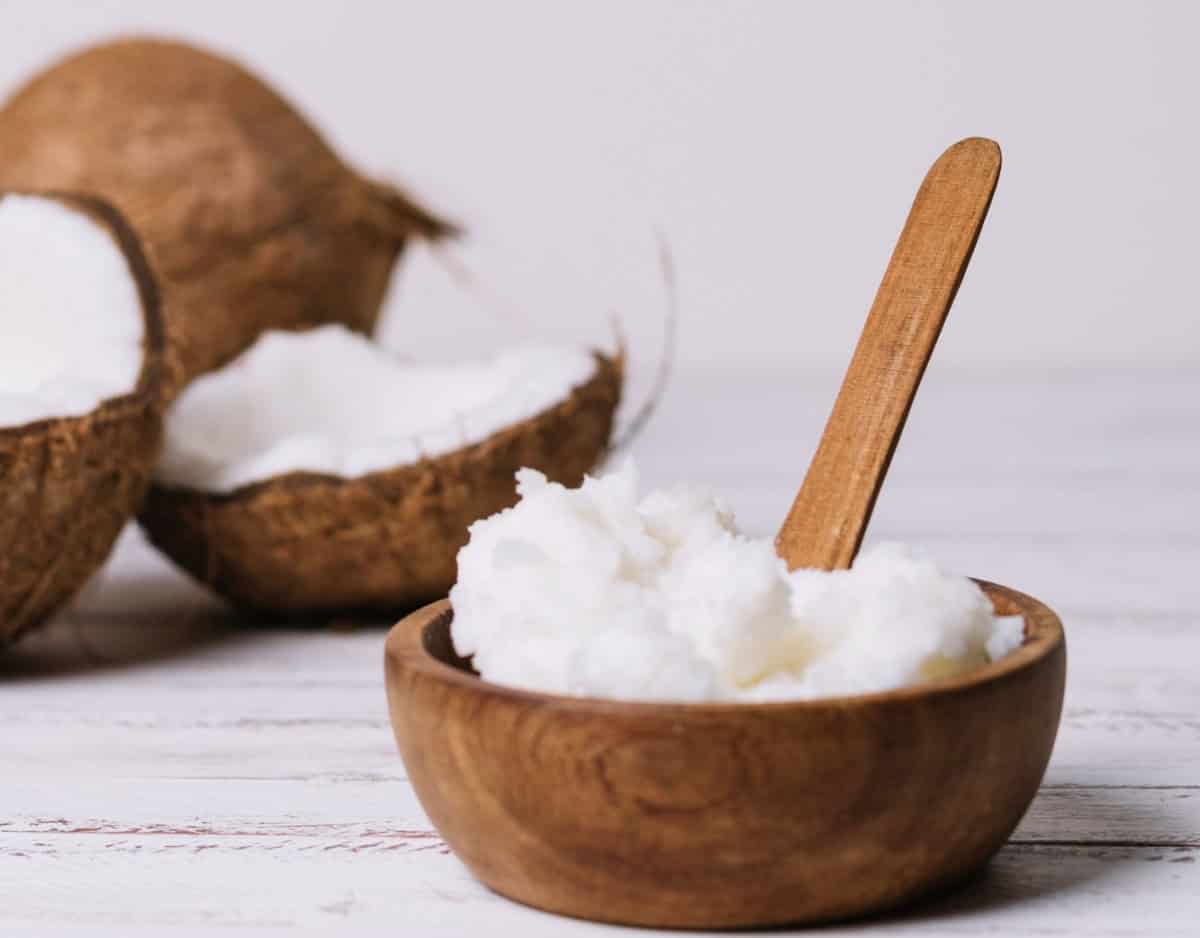
Coconut oil is a popular choice. Refined coconut oil is solid at room temperature like ghee, making it a suitable replacement in recipes. Use in a 1:1 ratio.
Refined coconut oil has a neutral flavor and won’t impart a noticeable coconut flavor. On the other hand, unrefined coconut oil has a distinct coconut flavor that can be amazing for certain dishes. For example, coconut-based Indian food might find it quite delicious.
Best for: Coconut oil is a great substitute for ghee and works well in dal, curry, and roasted vegetables, offering a dairy-free alternative.
Also see: 7 Best Substitute for Coconut Oil: Healthier Cooking Options
2. Olive Oil

Olive oil, particularly extra virgin olive oil, offers a rich flavor and has shown to be one of the healthiest oils around. You should adjust the ratio to 1:¾ if you substitute ghee. Also, make sure you are picking the right olive oil to match the taste that you are trying to target in your food recipes.
It’s important to consider the lower smoking point of olive oil compared to ghee; cooking olive oil at high temperatures will result in it burning. Try using this type of oil in salad dressings for a nice alternative to other oils.
Best for: Olive oil works well as a substitute for ghee with its rich, heart-healthy fats in sautéed greens, Mediterranean roasted vegetables, and pasta dishes, adding a mild, buttery flavor.
Related: Can You Use Olive Oil in Air Fryer?
3. Sesame Oil
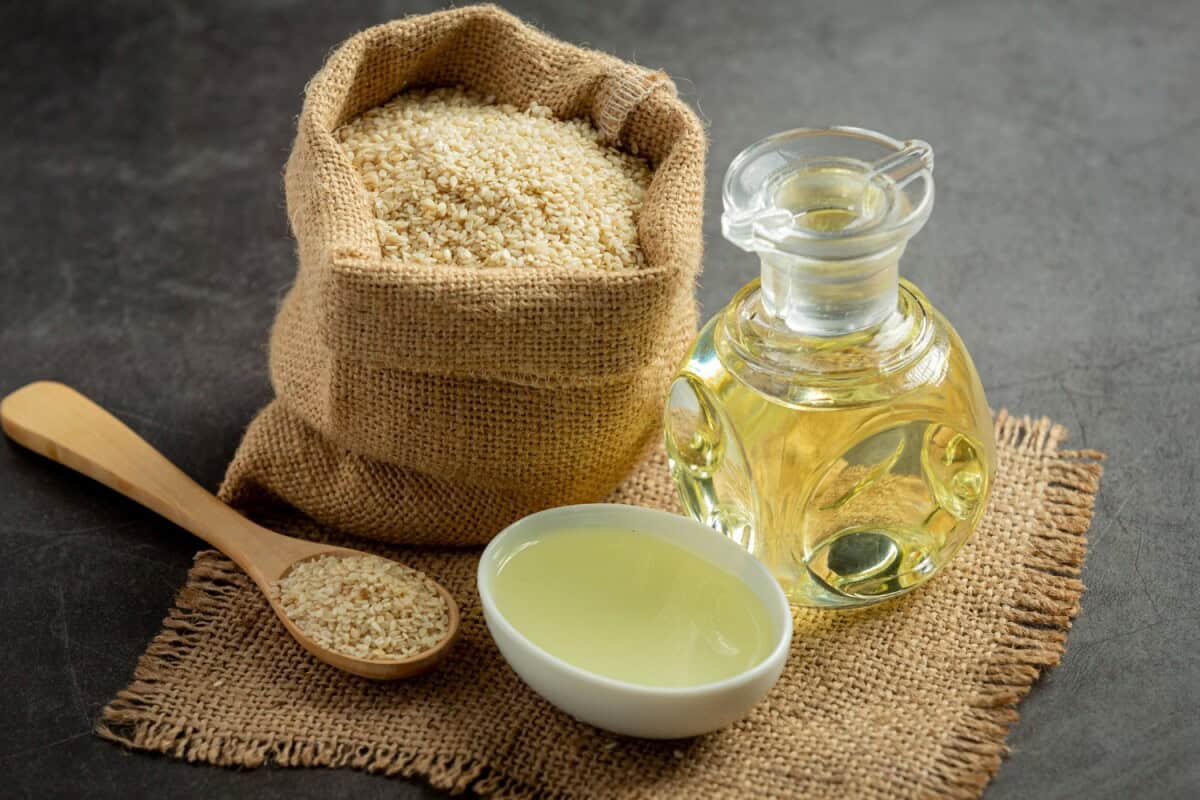
Sesame oil offers a nutty flavor. Also, it makes a good ghee substitute for Asian-inspired dishes. This cooking oil can really make Asian-inspired dishes come alive, and may provide a nice nutty flavor that really compliments certain foods. Use a 1:¾ ratio.
This flavorful oil is rich in antioxidants. Because of that, it's another healthier alternative that is great as a replacement. Make sure you store sesame oil in a dark, cool place to keep it from going bad, like you would with any cooking oil. If you cook a lot of stir-fry meals, this oil may be your next best choice.
Best for: Sesame oil is a flavorful substitute for ghee, adding a nutty depth to stir-fries, sesame noodles, and miso soup.
Also read: Sesame Oil Substitute: The Ultimate Guide
4. Avocado Oil
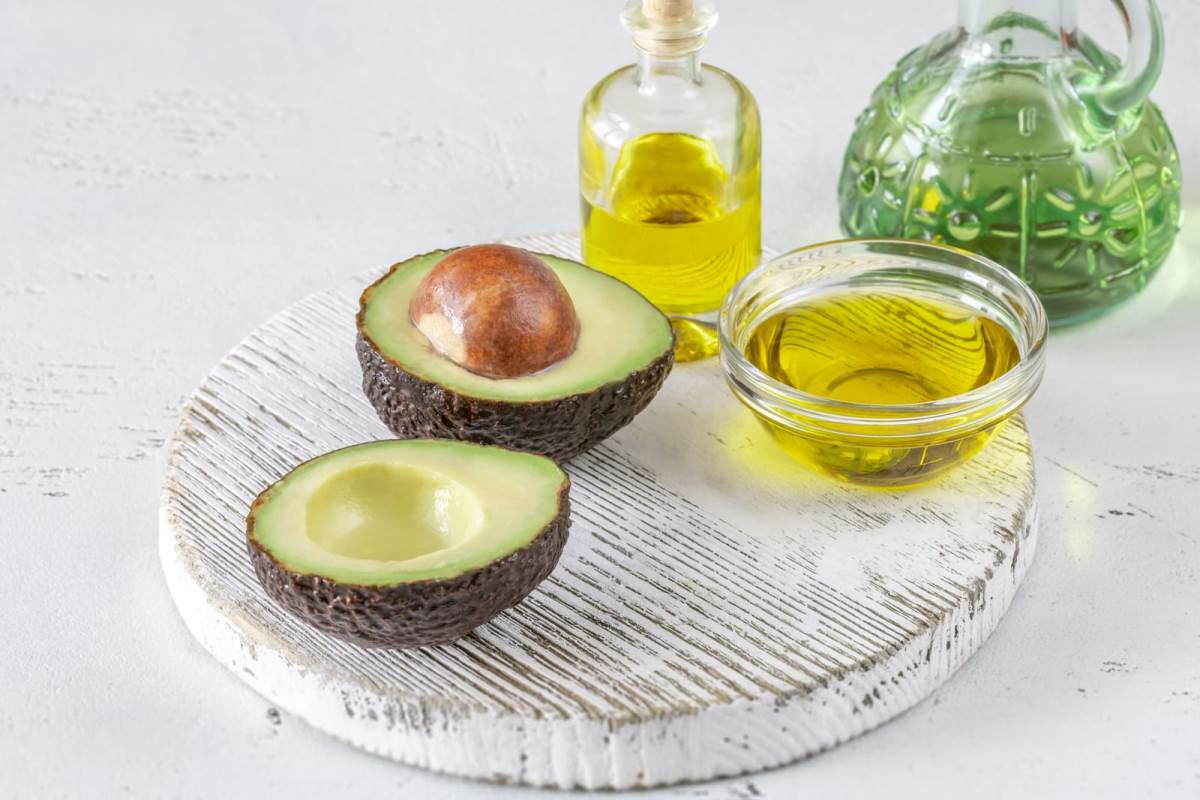
Avocado oil has a mild, buttery flavor and a high smoking point. You'll notice that makes it a versatile ghee alternative. If your goal is for a neutral taste, then it is another great option. If you're eating paleo or keto, it makes an amazing option that meets requirements.
The buttery taste that comes with avocado oil will certainly make it one of the best alternatives, but be aware of the flavor so it doesn't ruin your food. Start with a 1:1 ratio.
Best for: Avocado oil is a versatile substitute for ghee, ideal for roasting vegetables, pan-searing fish, and making salad dressings.
Try this recipe: Chunky Guacamole (Quick & Easy Recipe)
5. Sunflower Oil
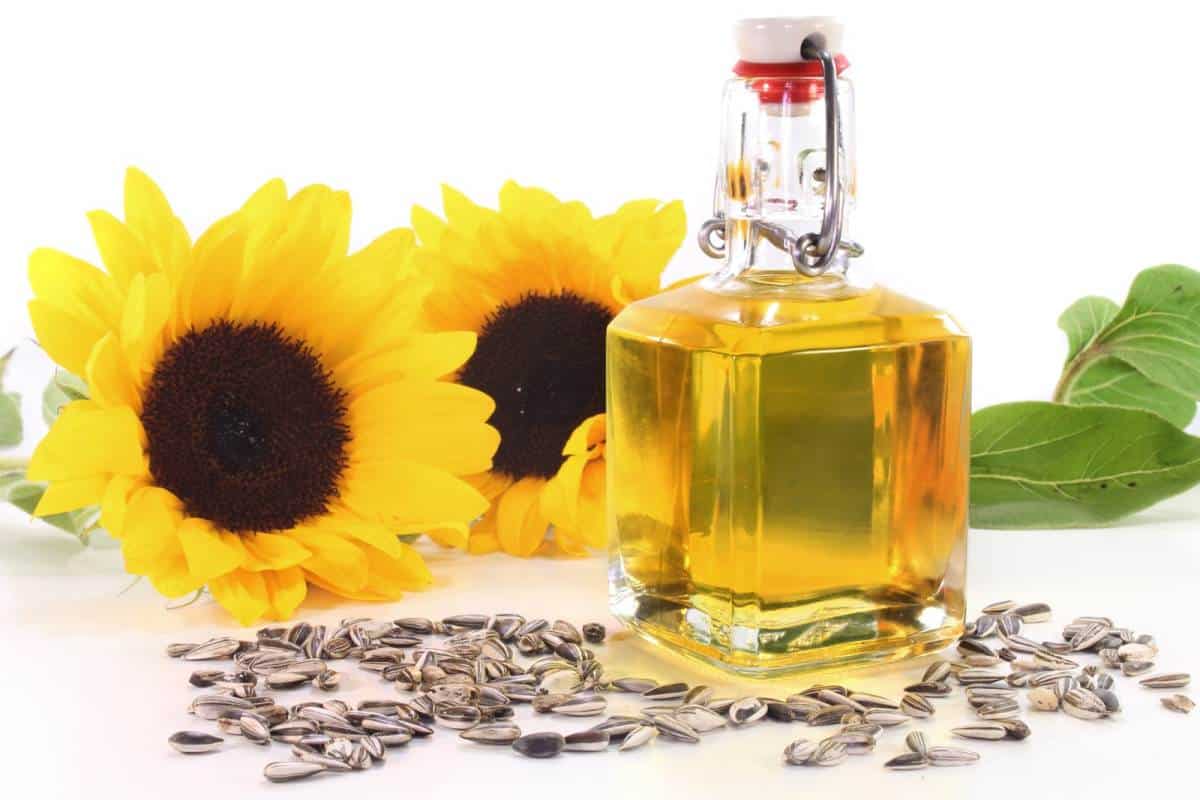
Sunflower oil is a neutral tasting oil with a high smoking point. While it might not provide a great deal of flavor, some avoid it for dietary reasons. Because it is light, you might need to adjust your normal recipe when you replace ghee with this cooking oil. Start with a 1:¾ ratio.
Best for: Sunflower oil is a neutral-tasting substitute for ghee, perfect for pancakes, stir-fries, and roasted potatoes.
6. Vegetable Oil

Vegetable oil has a neutral taste that makes it a popular all-purpose cooking oil. Because of its refined nature, it provides a neutral taste.
In baking, though, be aware it might not give you same buttery flavor as ghee butter or other cooking oils. Use a 1:¾ ratio.
Best for: Vegetable oil is a versatile substitute for ghee, great for baking, frying, and sautéing in recipes like muffins, curries, and stir-fried vegetables.
7. Canola Oil

Canola oil has a neutral taste, but some folks like to avoid it. Despite that, it stands as an all-around substitute that does a pretty good job. Use a 1:1 ratio. If unavailable, explore a suitable substitute for canola oil for alternative options.
Best for: Canola oil is a light, neutral substitute for ghee, ideal for high-heat cooking in roasting vegetables, making pancakes, and sautéing meats.
Considering Health And Dietary Needs
For those watching saturated fats, ghee contains almost 50 percent saturated fat. That has led some to assume that it could raise risks. Remember, the American Heart Association advises no more than 5 to 6 percent of your daily calories from saturated fat.
Lactose intolerance is a major concern for many. Ghee, because of its clarifying process, may have lower lactose. But people with dairy sensitivities have options like coconut or olive oil that might meet those requirements.
For those with animal products concerns, there are plenty of different options available such as cooking with sesame oil. When replacing butter or ghee with these oils, you have to remember to factor in the health issues at hand, and your own personal diet goals.
Tips When Cooking
Certain steps can help bring success. I personally follow these recommendations to get great results when I cook at home.
- When baking, think about taste versus texture. Use good quality unsalted butter or vegetable shortening for texture; cooking oils or normal butter for specific flavors.
- When it comes to high-heat cooking, pick ghee alternatives like avocado oil or refined coconut oil due to high smoking points. Otherwise, make sure to turn the heat down.
FAQs
Yes, you can use regular butter, but it contains milk solids that may burn at high temperatures. If you want a closer match, melt butter and skim off the solids.
To make clarified butter, melt unsalted butter over low heat until the milk solids sink. Strain the clear liquid and discard the solids for a closer ghee alternative.
Yes, vegan butter is a great plant-based alternative, especially for spreading or baking. However, it lacks the deep, nutty taste of ghee.
Both are made by removing milk solids, but ghee is cooked longer, giving it a richer, nuttier flavor compared to clarified butter.
Conclusion
Finding a great ghee replacement really hinges on what you need it for and what flavors you are trying to create. Each type of butter and cooking oil offers slightly different characteristics and will perform differently. Whether it’s using normal butter, cooking with sesame oil or replacing it with vegetable shortening, now you've got info you need when a recipe calls for it. Happy substituting!



Recipe

Ghee Substitute
Equipment
- Small saucepan
- Fine mesh strainer or cheesecloth
- Heatproof jar
- Measuring spoons
Ingredients
- ½ cup unsalted butter
- 1 teaspoon olive oil or coconut oil (optional, for extra richness)
Instructions
- Melt the unsalted butter in a small saucepan over low heat.
- Let it simmer gently until the milk solids sink to the bottom.
- Remove from heat and carefully strain through a fine mesh strainer or cheesecloth into a heatproof jar.
- If desired, stir in olive oil or coconut oil for a smoother texture.
- Allow it to cool before sealing the jar and storing it.
Notes
- This substitute has a similar high smoke point to ghee, making it great for frying and sautéing.
- Store in the fridge for up to 2 weeks or at room temperature for a few days.
- For a vegan alternative, use vegan butter and follow the same process.
You can find the video in the post above. If you don't see a video, please check your browser settings.
Leave a Reply