

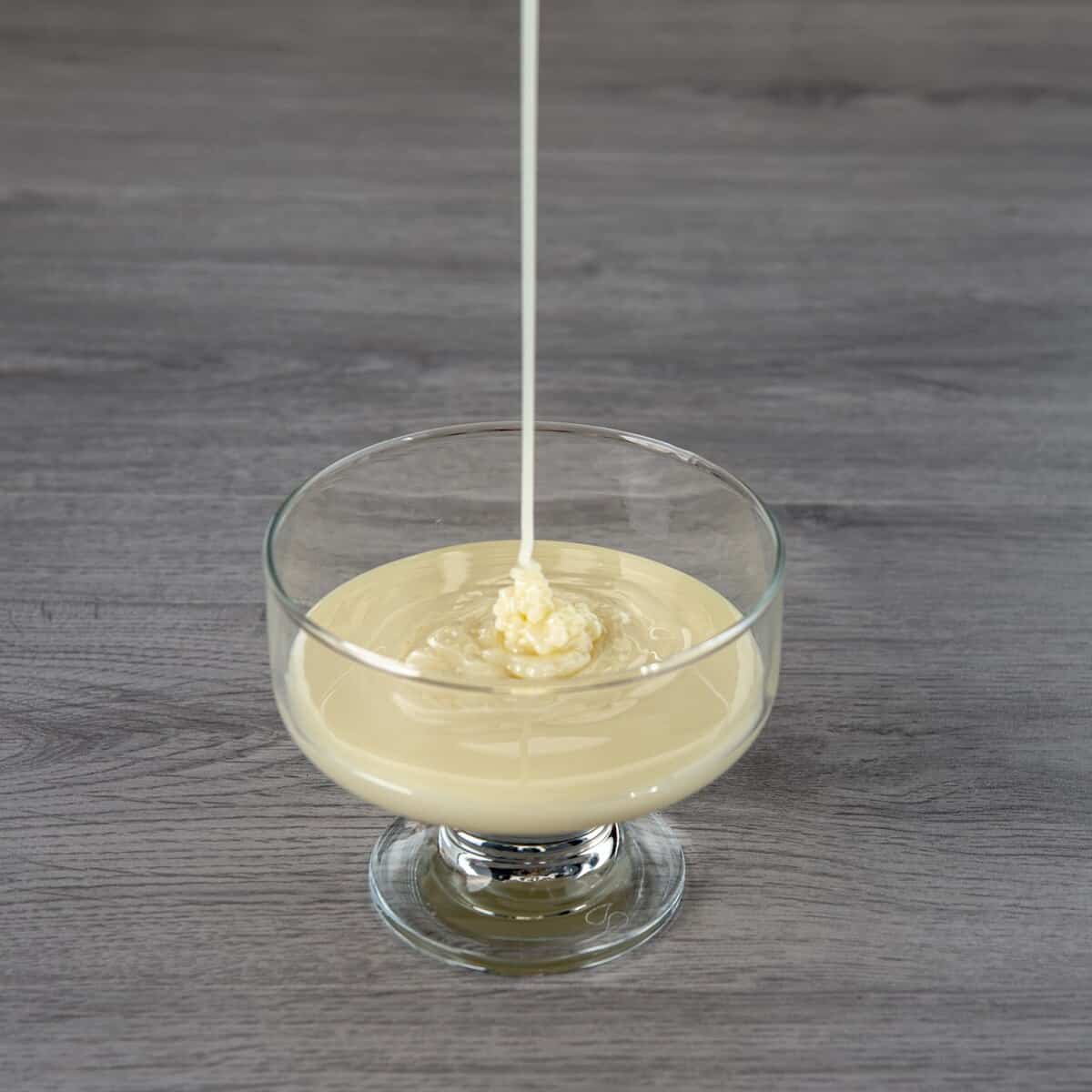
If you’ve ever found yourself in the middle of a recipe that calls for evaporated milk, only to discover you don’t have any on hand, you know the frustration. But fear not, because there are plenty of alternatives as a substitute for evaporated milk that are ideal and can save the day.
Regular milk is usually the go-to for most people, but what if you are lactose intolerant? Perhaps you’re looking for a dairy-free alternative or simply need a quick fix. I’ve got you covered!
Jump to:
What Is Evaporated Milk?
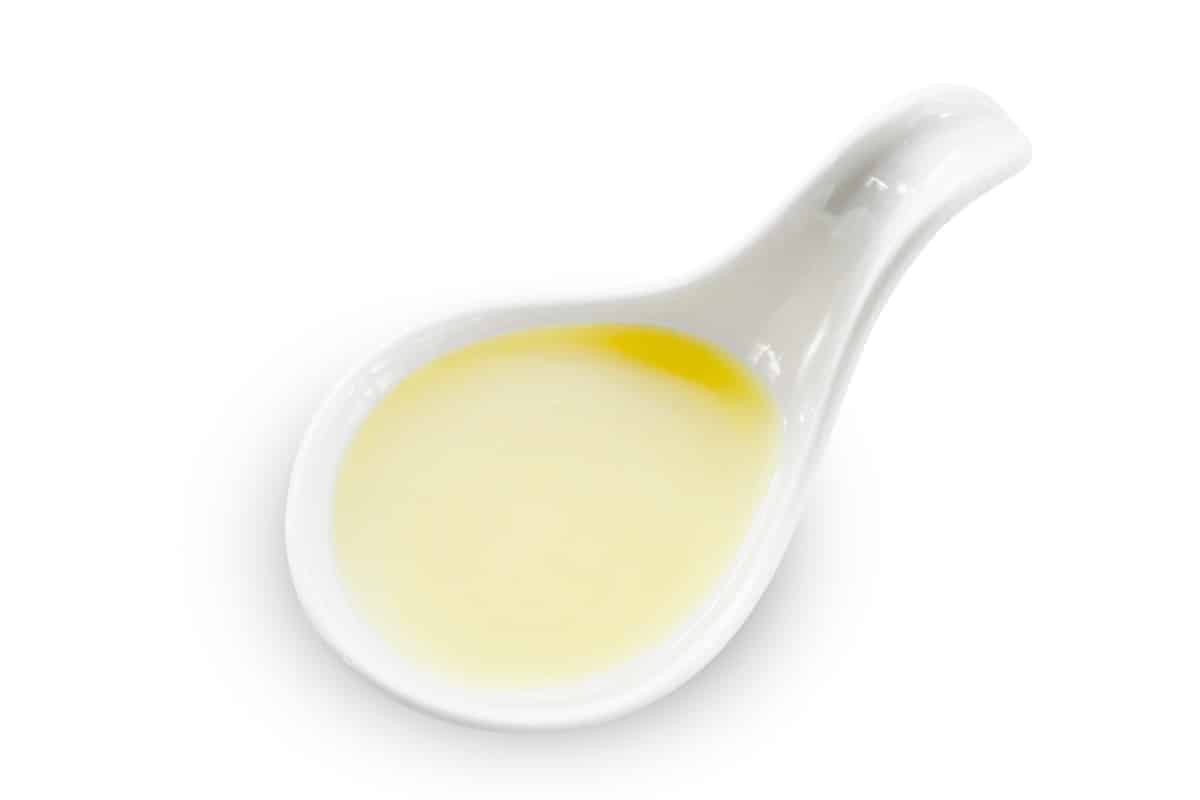
Evaporated milk is a shelf-stable milk product that has had about 60% of its water content removed through a heating process. This results in a more concentrated, slightly caramelized flavor and creamy texture.
Something as seemingly simple as condensed milk adds an undeniable richness to our favorite baked goods and savory dishes alike, but evaporated milk stands apart with its unsweetened and diverse appeal.
How Is Evaporated Milk Made?
To make evaporated milk, fresh cow’s milk is heated until about 60% of the water evaporates. The concentrated milk is then homogenized, canned, and heat-sterilized to preserve it for shelf stability.
Oft-debated evaporated milk has an agreeable flavor and creamy feel.
8 Best Substitutes for Evaporated Milk
Whether you're in a pinch or looking for a dairy-free alternative, there are plenty of options when you need a substitute for evaporated milk. Here are some of the best swaps:
1. Regular Milk
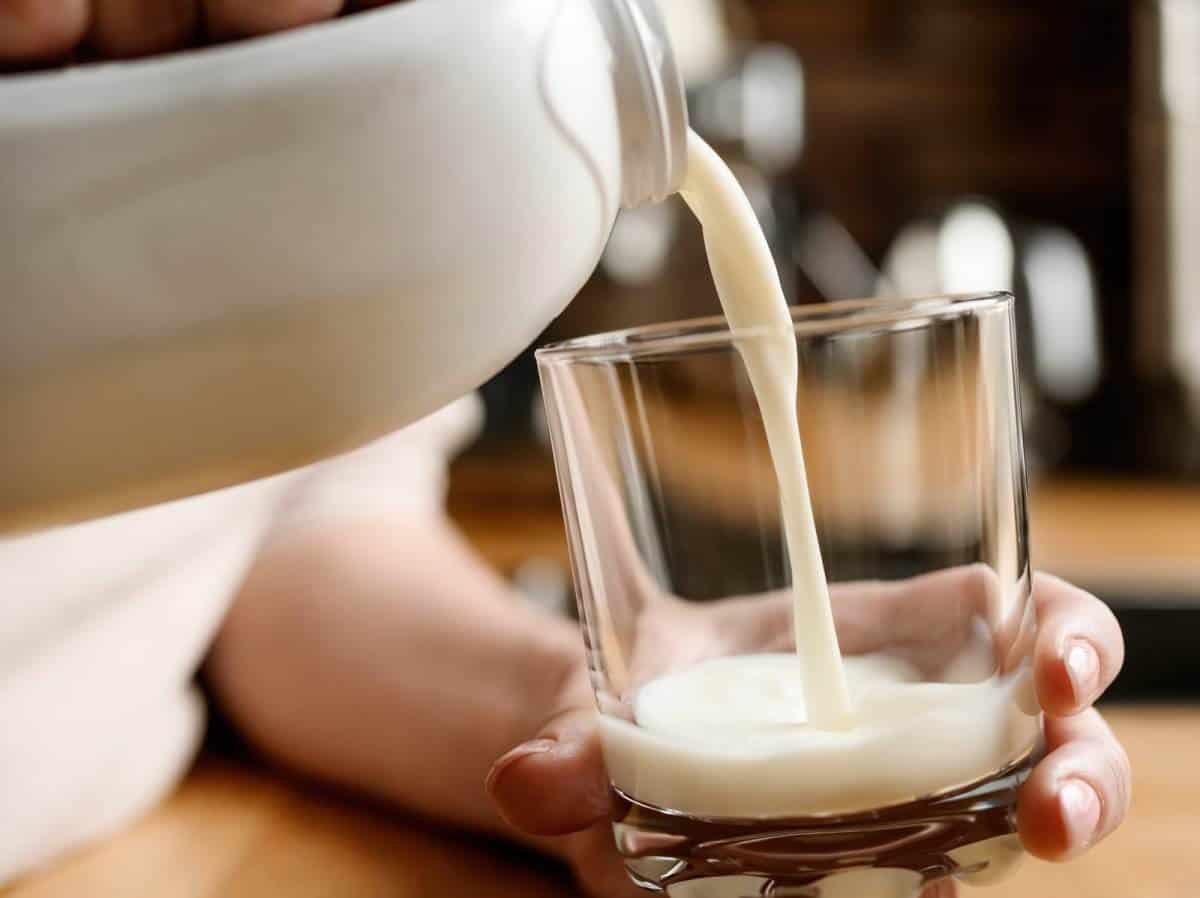
In most recipes, you can substitute regular whole milk for evaporated milk in a 1:1 ratio. To replicate the creamy consistency, remove about 60% of the water by simmering the milk on the stove until it reduces.
Best for: Milk's dairy base and similar texture make one of the best substitutes for evaporated milk and works best in recipes like creamy soups, custards, or sauces, where richness isn't crucial.
Related: 10 Best Whole Milk Substitutes
2. Non-Dairy Milk
For a dairy-free substitute, use soy, almond, oat, or coconut milk in place of evaporated milk. Cashew milk is also a great option, offering a milder taste suitable for both sweet and savory dishes. Choose unsweetened varieties and follow the same reduction process as with regular milk.
Best for: Non-dairy milk is a creamy alternative to evaporated milk, suitable for those with lactose intolerance or vegan diets. It works well in recipes like creamy soups, custards, and sauces.
3. Half and Half
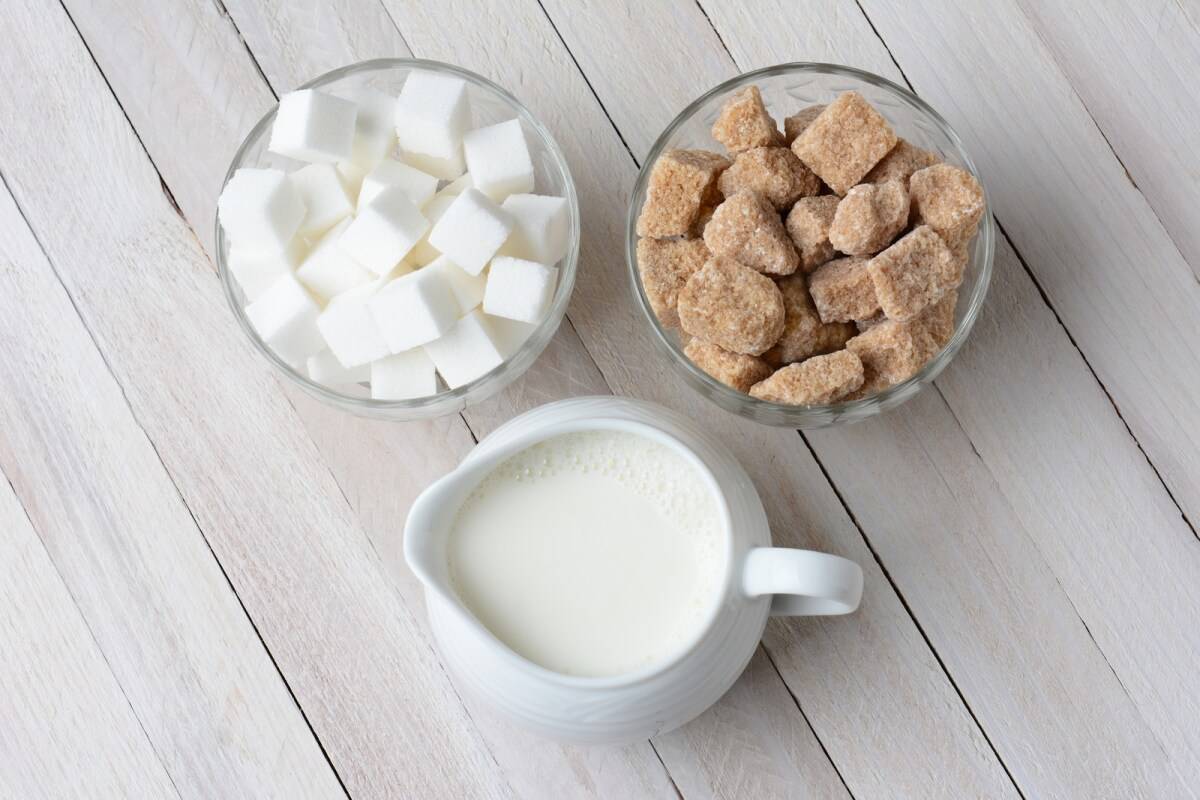
Half and half is a 1:1 mixture of whole milk and cream, making it a suitable substitute for evaporated milk in terms of consistency. Use it as a 1:1 replacement, but keep in mind the higher fat content may slightly alter the recipe's texture.
Best for: Half and half offers a rich alternative as an evaporated milk substitute due to its rich texture and flavor and is great for coffee, creamy sauces, and desserts needing a balance between richness and lightness.
4. Heavy Cream
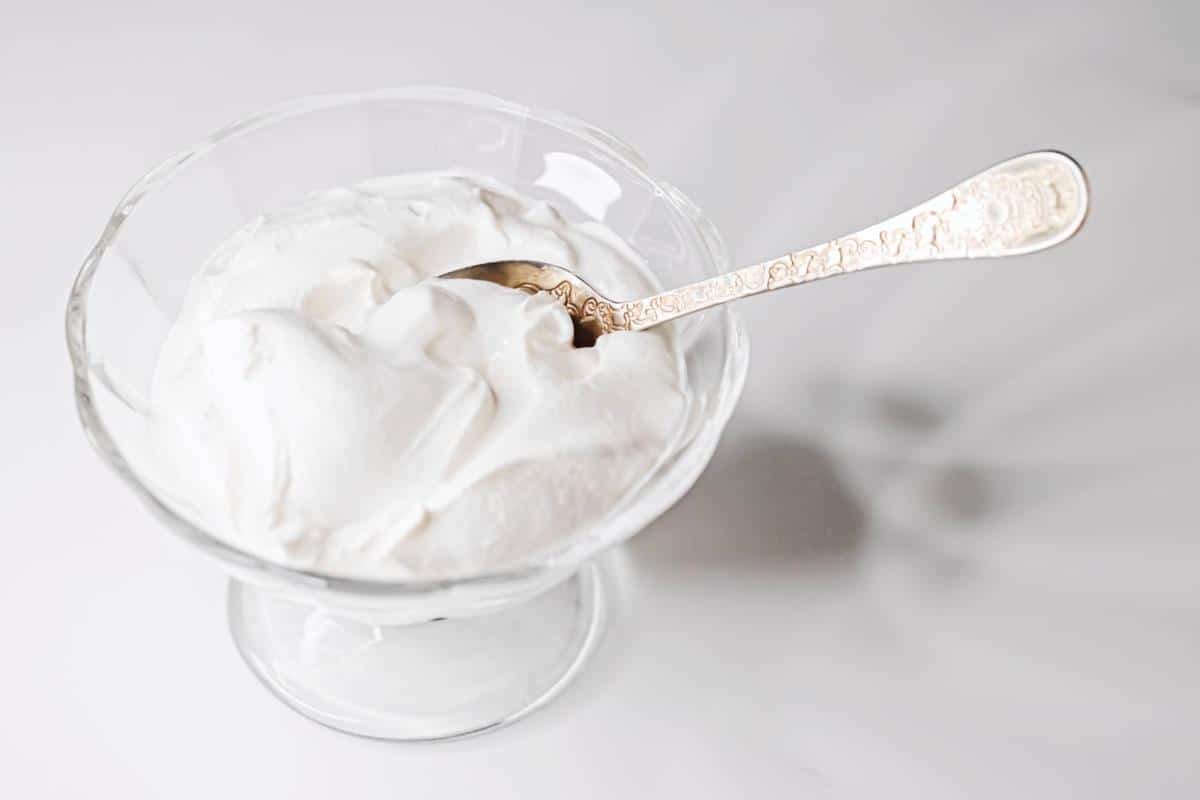
Heavy cream can work as an evaporated milk alternative, but it contains more fat and calories. Substitute in a 1:1 ratio, but consider reducing other fats in the recipe to compensate.
Best for: Heavy cream substitutes for evaporated milk by mimicking evaporated milk's richness, lending a creaminess to recipes. It's ideal for desserts like custards, ice creams, and creamy sauces, offering a velvety texture and indulgent flavor.
5. Powdered Milk
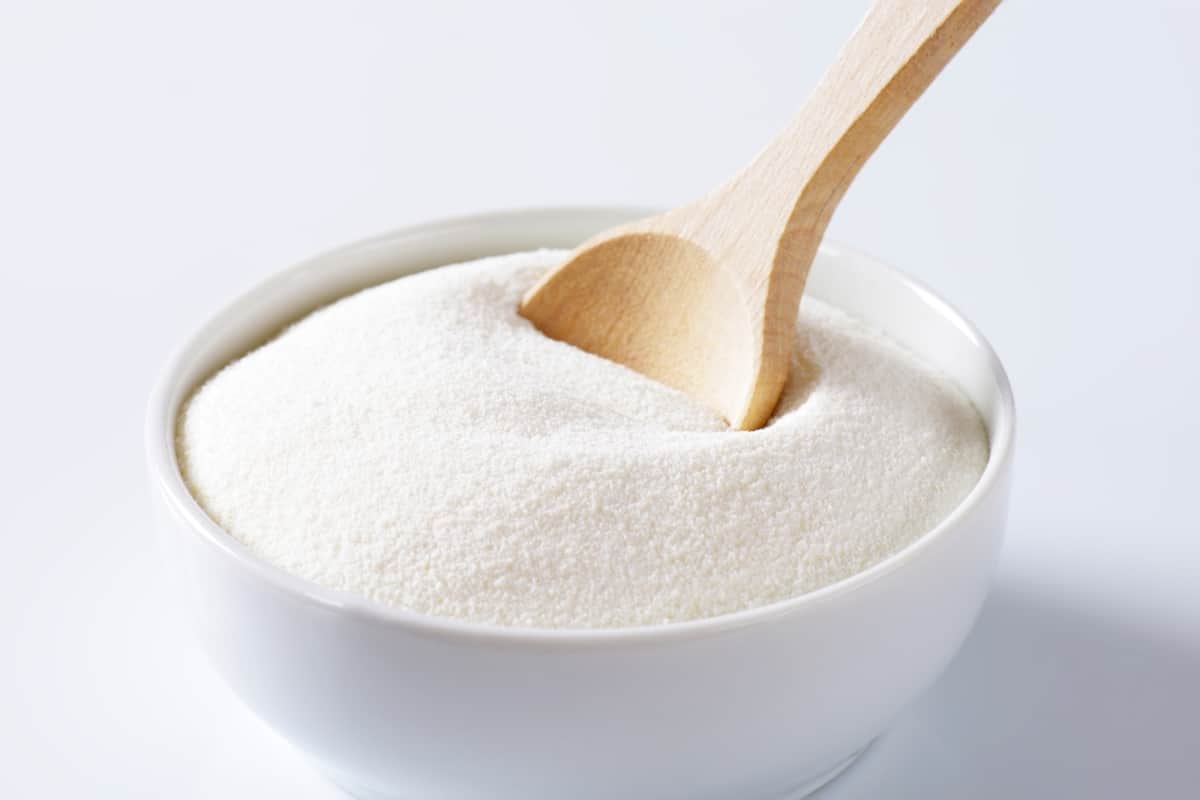
Reconstitute powdered milk according to package directions, but use only 60% of the water called for. This will create a concentrated milk similar in consistency to evaporated milk.
Best for: Powdered milk, when reconstituted with water, substitutes for evaporated milk offering a similar consistency to evaporated milk. It's versatile in baking, creamy soups, and sauces, providing a dairy-rich flavor and texture.
6. Condensed Milk
While not a direct substitute, sweetened condensed milk can work in a pinch for some dessert recipes. Keep in mind it's much sweeter, so reduce other added sugars in the recipe accordingly.
Best for: Condensed milk, with its sweetened richness, is one of the best substitutes for evaporated milk, especially in desserts like fudge, ice cream, and key lime pie. It adds a creamy sweetness and depth of flavor.
Related: The Best Sweetened Condensed Milk Substitute
7. Coconut Milk
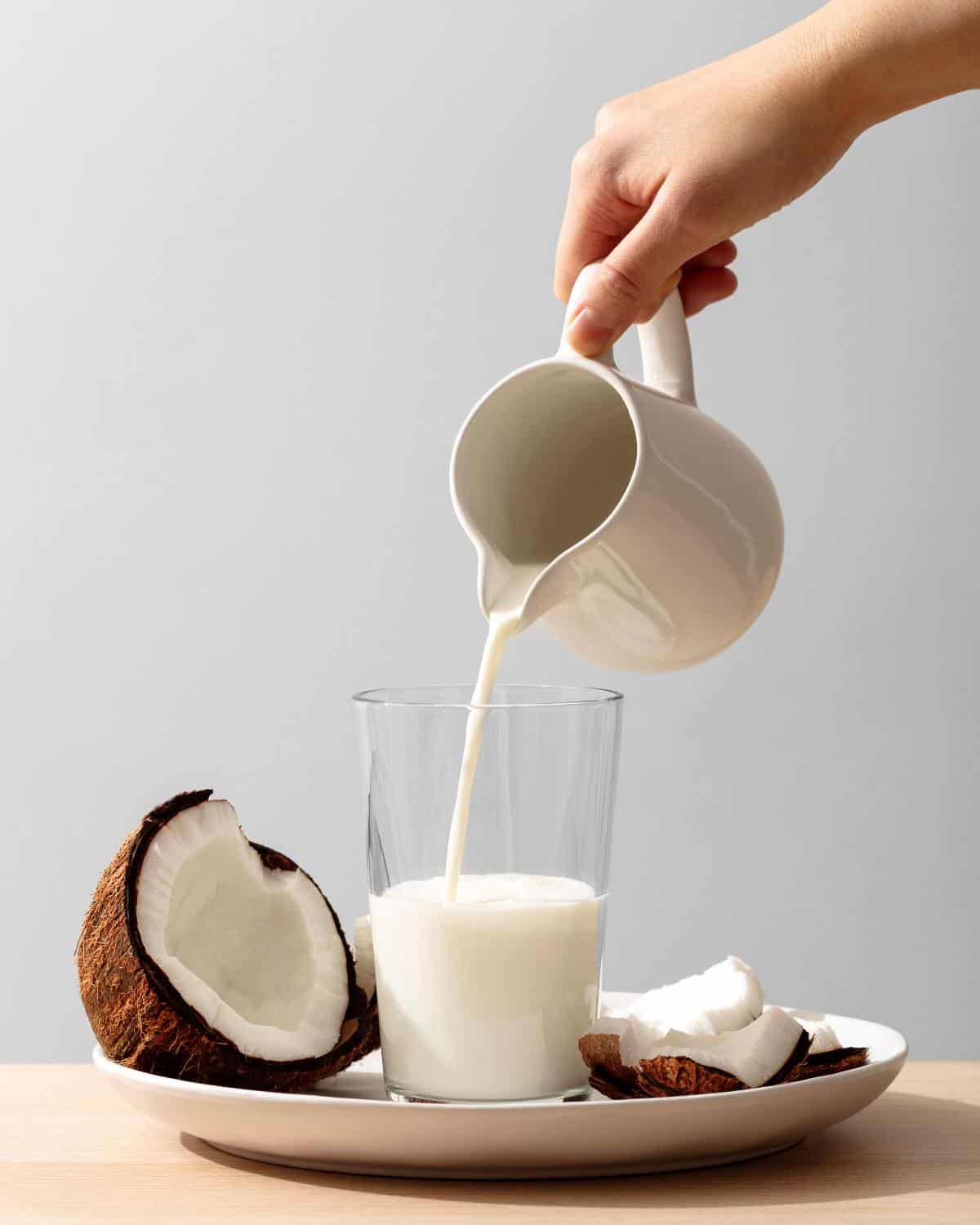
You can confidently substitute full-fat coconut milk for evaporated milk, at a 1:1 ratio. With its smooth consistency and inherently creamy flavor, coconut milk instantly brings out the overall taste experience of your sweet and savory creations.
Best for: Coconut milk is a creamy, dairy-free evaporated milk substitute and is fantastic in tropical-inspired desserts, curries, and creamy soups, adding a unique coconut flavor and silky texture.
8. Soy Milk
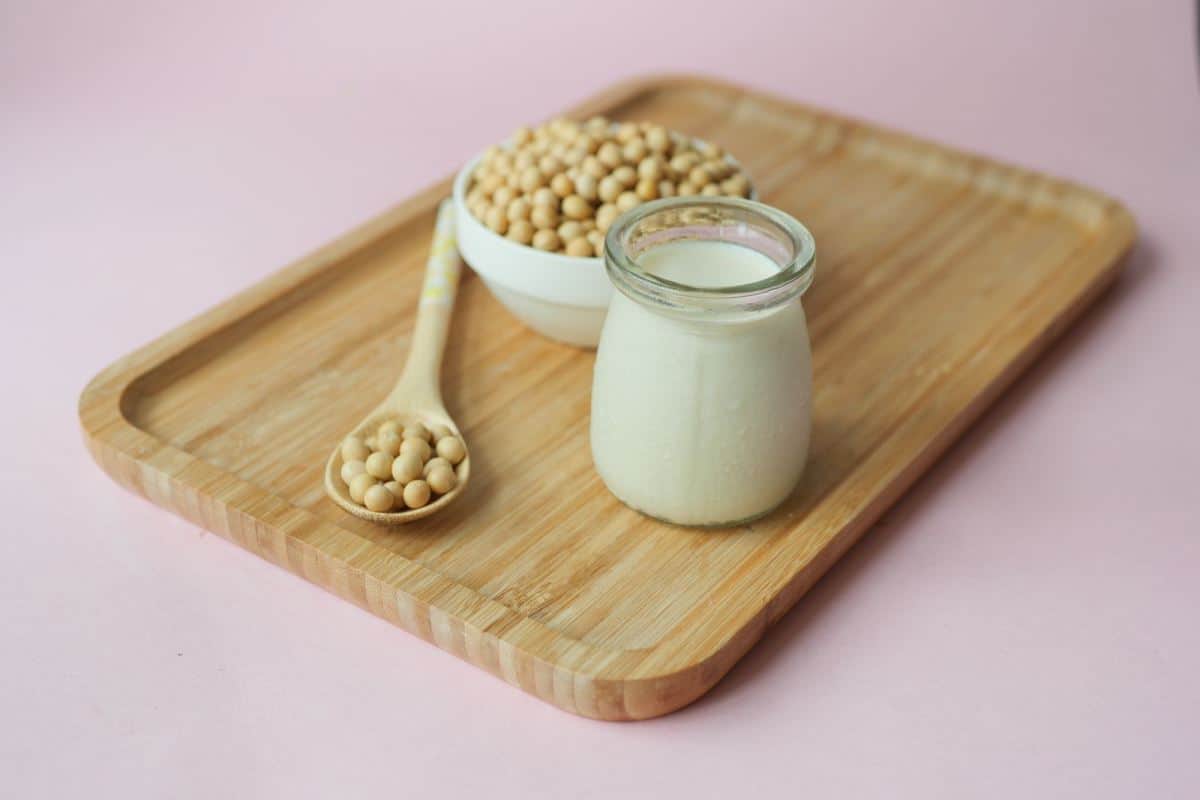
Unsweetened soy milk can be simmered to reduce its water content, creating a dairy-free, plant-based alternative for evaporated milk. Use a 1:1 ratio in recipes.
Best for: Soy milk, with its creamy texture and neutral taste, is a great evaporated milk substitute. It's excellent in creamy sauces, soups, and custards, offering a dairy-free option with a hint of nuttiness.
Tip: You can also consider using vegan evaporated milk, which can be found online or in specialty stores, or even made at home using plant-based milks and a thickening agent.
Using Evaporated Milk Substitutes in Recipes
When using evaporated milk substitutes in a recipe, there are a few factors to consider to ensure your dish turns out just right:
Adjusting Liquid Ratios
Most evaporated milk substitutes, like regular milk or non-dairy alternatives, are thinner in consistency. To account for this, you may need to slightly reduce other liquids in the recipe to maintain the desired texture.
Achieving the Right Consistency
If your recipe turns out too thin after using an evaporated milk substitute, you can try simmering the dish a bit longer to reduce excess liquid and thicken it up. Just be careful not to overcook or scorch the other ingredients.
Flavor Considerations
Some substitutes, like coconut milk or sweetened condensed milk, can alter the flavor profile of a dish. Consider whether these flavor changes will complement or clash with the other ingredients before making a swap.
Dairy-Free Evaporated Milk Options
The quest for a substitute for evaporated milk is no longer daunting. With the rise of dairy-free living, there are more options than ever before.
As someone who's been experimenting with alternative milks for years, I've found that the best non-dairy milks for replacing evaporated milk are coconut milk, almond milk, and soy milk.
Homemade Dairy-Free DIY Evaporated Milk
If you want to make your own dairy-free DIY evaporated milk substitute at home, it’s actually quite simple.
Just simmer 2 ¼ cups of your preferred non-dairy milk until it reduces down to 1 cup. This process concentrates the milk and thickens it, much like the commercial evaporation process used to make traditional evaporated milk.
Using a richer milk alternative, such as canned coconut milk, tends to produce the most impressive results. The extra fat it contains creates a luscious, velvety texture that works in a variety of recipes.
Alternatively, you can make vegan evaporated milk by simmering plant-based milks and using a thickening agent to achieve the desired consistency.
Choosing the Right Substitute for Evaporated Milk
When scouting for the ultimate evaporated milk replacement, expert cooks are eager to identify recipes that tickle their taste buds. In reality, finding the right mix of qualities, be it the right consistency, nutrition, or even nostalgia, can determine the difference between mediocrity and mastery.
Considering Fat Content
Evaporated milk typically contains about 6.5% fat, which is more than regular milk but less than heavy cream. So if you're using a substitute with a higher fat content, like coconut milk or cream, you may want to adjust the other ingredients accordingly.
On the flip side, if you're using a lower-fat substitute like skim milk or almond milk, your dish may turn out slightly less rich and creamy. In this case, you might want to add a little extra thickener, like cornstarch or flour, to help achieve the desired consistency.
Flavor Profile
Another important thing to consider is the flavor profile of your chosen substitute. While evaporated milk has a relatively neutral taste, some substitutes like coconut milk or nut milks can add their own distinct flavors to a dish.
Whenever you're craving a deeper flavor profile, think outside the box and try using coconut milk or almond milk in your recipes. The rich, velvety texture of coconut milk is a perfect match for the warm, aromatic spices in a curry, while the subtle nutty flavor of almond milk pairs beautifully with the delicate taste of freshly baked goods.
When it comes to capturing the classic flavor profile, you might want to stick with subtle players like soy milk or oat milk. They're understated enough to let the other flavors take center stage without adding any surprises.
Dietary Restrictions
Detailed dietary restrictions call for precision when cooking. For you and your guests, seeking a wholesome substitute in harmony with those restrictions is the ideal approach.
Discovering the perfect milk substitute can be a wild goose chase, but fear not! With nut milks, oat milk, and coconut milk at your disposal, the dairy-free dream is finally within reach.
Just be sure to read the labels carefully and choose a product that fits your specific dietary needs. And if you're cooking for someone with a severe food allergy, it's always best to err on the side of caution and avoid any potential allergens altogether.
Making your own evaporated milk is easier than you might think. With just one ingredient and a bit of time, you can whip up a batch to use in all your favorite recipes:
Homemade Evaporated Milk Recipe
Ingredients
- The only ingredient required for homemade evaporated milk is regular whole milk. That's it. You'll need about 2 ¼ cups of milk to yield 1 cup of evaporated milk.
Instructions
- Pour 2 ¼ cups of whole milk into a heavy-bottomed saucepan.
- Place the pan over medium heat and bring the milk to a simmer, stirring occasionally.
- Reduce the heat to low and continue simmering, stirring often, until the milk has reduced by about 60% in volume. This typically takes around 25-30 minutes.
- Once reduced, remove the pan from heat and let the evaporated milk cool before using or storing.
Tips for Success
- Stir frequently to prevent the milk from scorching on the bottom of the pan.
- Keep an eye on the milk as it reduces, as it can quickly go from reduced to burnt.
- Use a heavy-bottomed saucepan to distribute heat evenly and prevent burning.
- Let the evaporated milk cool completely before using it in recipes or storing it in the fridge or freezer.
Absolutely! Oat milk adds a creamy texture and subtle sweetness to both sweet and savory dishes. Just use ½–4 cups in place of evaporated milk.
No worries! You can either use evaporated coconut milk directly or make your own by simmering ½–4 cups of coconut milk until it reduces by about half.
Half-and-half, regular milk, or non-dairy options like oat milk work well. Choose based on your preference for richness and flavor.
Conclusion
When it comes to finding the perfect substitutes for evaporated milk, the possibilities are endless. From the rich creaminess of heavy cream to the lightness of regular milk, and even the variety of non-dairy alternatives like coconut milk and soy milk, there's an option for every recipe and dietary need.
So, the next time you find yourself in a pinch without evaporated milk, don't panic. So go ahead and stock up on some alternative kinds of milk. Your taste buds (and your lactose-intolerant friends) will thank you.
Recipe
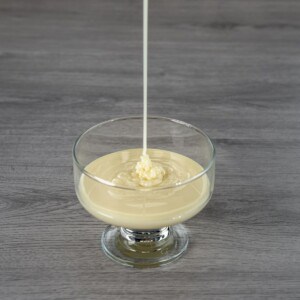
Best Substitute for Evaporated Milk
Ingredients
- 1 cup half-and-half
- 2.5 cups almond milk
- 2.5 cups oat milk
Instructions
Option 1: Best Dairy-Based Evaporated Milk Substitute
- If you don't have guests with special dietary restrictions, add one cup of half-and-half to your recipe that calls for one cup of evaporated milk.
Option 2: Best Vegan, Gluten-Free, Non-Dairy Substitute
- For your vegan, gluten-free, and dairy-free recipes requiring a cup of evaporated milk, reduce 2.5 cups of almond milk to 40% volume. Let it cool, and then add a cup of the reduced milk to your recipe.
Option 3: Best Best Vegan, Non-Dairy, Low-Calorie Substitute
- For your vegan, low-calorie, and dairy-free recipes requiring a cup of evaporated milk, reduce 2.5 cups of oat milk to 40% volume. Let it cool, and then add a cup of the reduced milk to your recipe.
Notes
You can find the video in the post above. If you don't see a video, please check your browser settings.


Casey
Thank you. I was planning to make a Mousse for a family BBQ a favourite of my boys the recipe requires evaporated milk. The oldest now nearly 40 developed Lactose intolerance in his early thirties. Please what can I use instead it needs to be whisked to at least twice its volume to give a fluffy effect.